Read More


Night Recap - April 3, 2026
17 hours ago
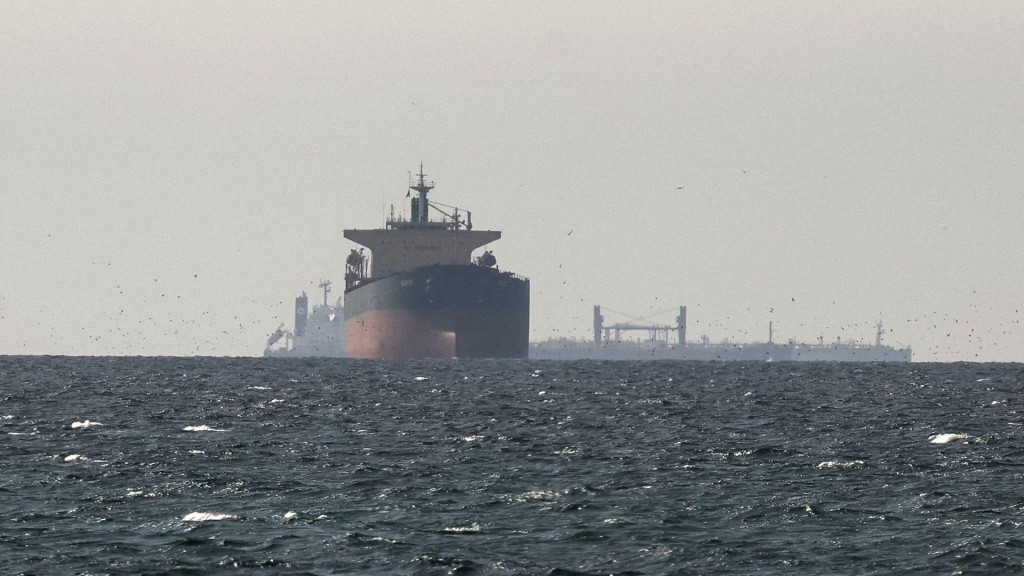
Iran demands transit fees in yuan, stablecoins for Strait of Hormuz passage
03-04-2026 02:45 HKT
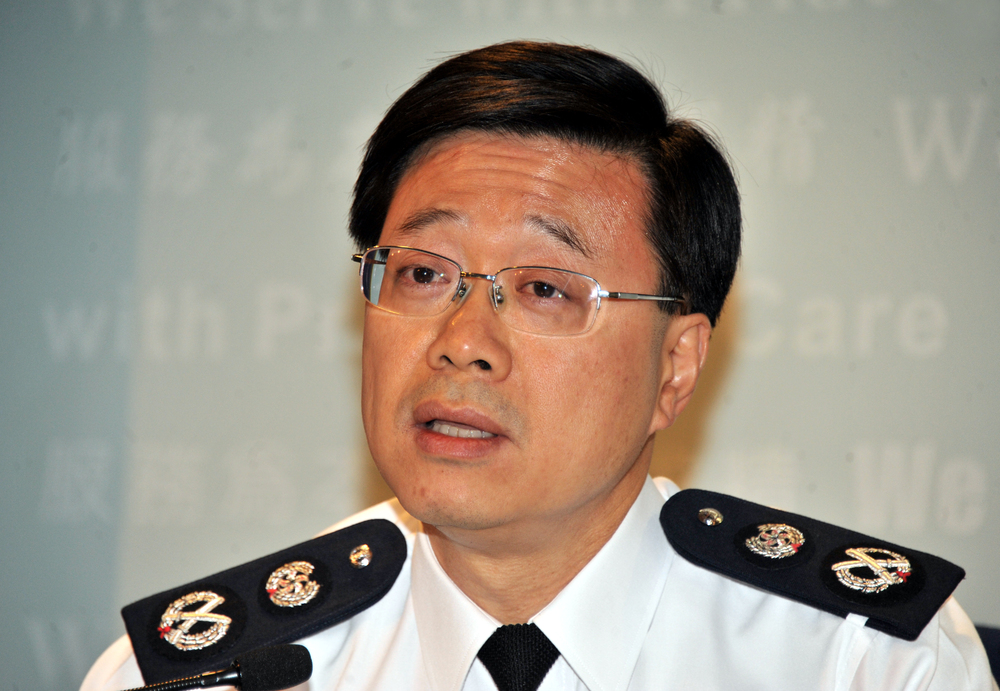
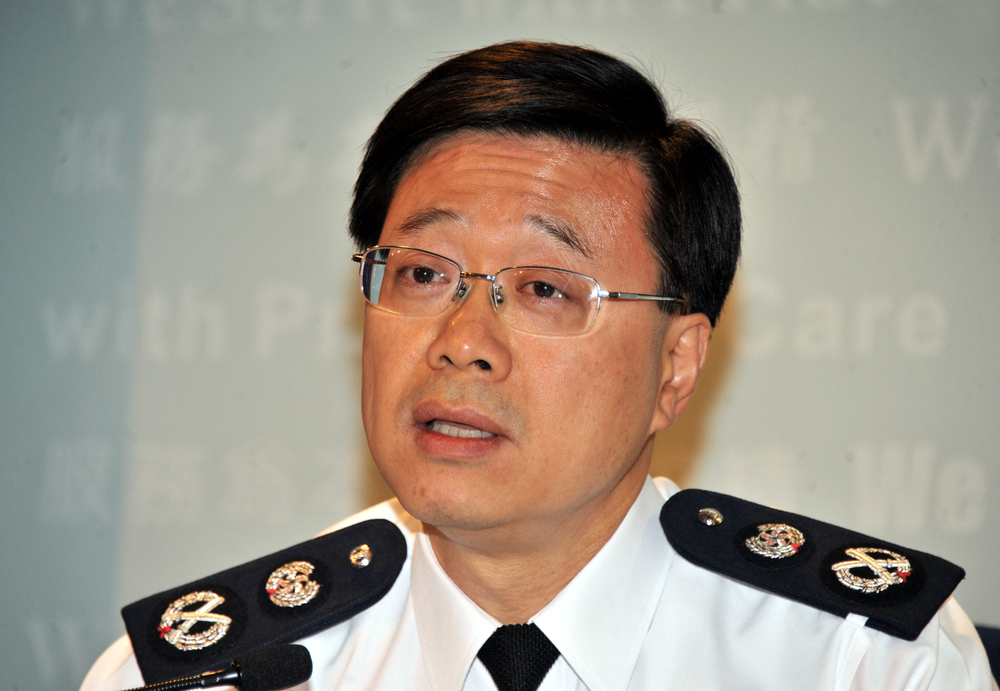
John Lee Ka-chiu, who first joined the government as a probationary police inspector 45 years ago, is widely known for his handling of national security matters - including banning a pro-independence political party, pushing forward the fugitive bill and twice freezing the assets of activist media mogul Jimmy Lai Chee-ying, his Next Digital company and Apple Daily newspaper.
Lee was appointed undersecretary for security from assistant police commissioner in 2012, for which he had renounced his British citizenship.
Five years later, he was appointed to head the Security Bureau, making him the first secretary for security who has a police background.
As secretary for security, he dealt with pro-independence and activist groups and individuals.
In 2017, he pushed forward the colocation arrangement in the West Kowloon Station.
In 2018, he cited the Societies Ordinance for the first time to ban the pro-independence Hong Kong National Party.
The next year he was in charge of the fugitive bill, which the government proposed after the murder case involving Chan Tong-kai, who allegedly killed girlfriend Amber Poon Hiu-wing in Taiwan.
The amendment bill sought to confine the handover of fugitives to areas not covered by extradition agreements with Hong Kong, including the mainland and Taiwan.
Lee at that time said the city had been an "ostrich" for 22 years for not plugging the legal loopholes for extradition.
But the bill triggered protests which turned into large-scale breakouts in June 2019 and escalated into the biggest political turmoil since the handover in 1997.
Chief Executive Carrie Lam Cheng Yuet-ngor announced on June 15, 2019 to suspend the bill and apologized. She formally withdrew the bill in September that year.
As part of the team responsible for the amendment bill, Lee had also apologized for "causing social confrontations, conflict and fear."
But the suspension and withdrawal of the bill, as well as officials' apologies did not stop the demonstrations and the fierce clashes between police and protesters. Lee defended police and reaffirmed the force's operations.
The social unrest later led to the national security law, which was enacted by Beijing on June 30, 2020. It targeted offenses such as secession, subversion, terrorism and collusion with foreign forces.
In August 2020, Lee was among the 11 Hong Kong and mainland officials sanctioned by the United States for "undermining" the city's autonomy.
In response, Lee said he was not afraid as safeguarding the national security law was a matter of course.
Half a year after the law was imposed, national security police arrested 53 activists - including former lawmakers, social workers and academics - for their organization and participation in primaries in July 2020 for the Legco election, which was later postponed due to the pandemic.
A total of 47 democrats were later charged with conspiracy to commit subversion under the national security law, whose maximum penalty is a life sentence. After the arrests, Lee said the defendants had planned to use a "vicious plan to paralyze the Hong Kong government."
In May and June 2021, actions were taken against the now-defunct Next Digital and Apple Daily, while national security police arrested and charged the company's senior executives.
Lee was promoted as the city's chief secretary in June 2021 after the resignation of Matthew Cheung Kin-chung.
In fighting the pandemic, Lee led a delegation to Shenzhen for meetings with mainland experts, including asking mainland medical workers and testing staff to come and support Hong Kong.
He has also exercised exemption power under Emergency Regulation for the construction of community isolation and treatment facilities supported by the central government.
The same power granted exemption to mainland medical personnel who have come to Hong Kong from the relevant legal requirements on registration.