Read More
Almost half of the children in a survey said they had been subjected to corporal punishment by parents, Against Child Abuse said.
ADVERTISEMENT
SCROLL TO CONTINUE WITH CONTENT
That finding came in a poll of 677 children and 470 parents between November and January, in which 49 percent of those respondents in the younger group said they'd been punished by parents or carers, while 5 percent felt they were "always" being punished by parents.
The truth of that was, surprisingly, mirrored to a greater degree on the other side, with some 60 percent of parents or carers admitting to the practice and some 78 percent saying they themselves were on the receiving end of it during their childhood.
Some 71 percent also admitted to making peer-to-peer comparisons with regards to their offsprings in punishing them when they did something they deemed wrong, while 16 percent of children complained of being ignored or even threatened with a relationship severance.
Some 29 percent of children said their parents "never" or "rarely" took part in play time or did things they liked, causing physical and mental frustration.
As well, parents complained of discrimination as a result of their children having special learning needs, with 78 percent feeling the bias from peers and 64 and 52 percent feeling it in schools and public places.
Commonly cited excuses for that, the ensuing scoldings and even derisive "rat feces" nicknames included some teachers feeling the children were deliberately creating trouble, destroying the learning atmosphere of the class and affecting learning progress for others.
Some of the children's behaviors, such as in public transport, attracted criticism of parental control, putting pressure on parents and hurting children's self-image and affecting their mental health.
The child protection group warned that corporal punishment and verbal abuse could also hurt mental health. Its warning came amid calls for the timely enactment of child psychological abuse legislation.
It urged schools to raise awareness of psychological harm and abuse among parents. "Parents and caregivers should review interaction patterns, increase positive interactions, and establish regular parent-child leisure activities and positive communication."
It also urged professional help be sought as soon as possible if parents encountered difficulties disciplining children or their emotions were getting worse.
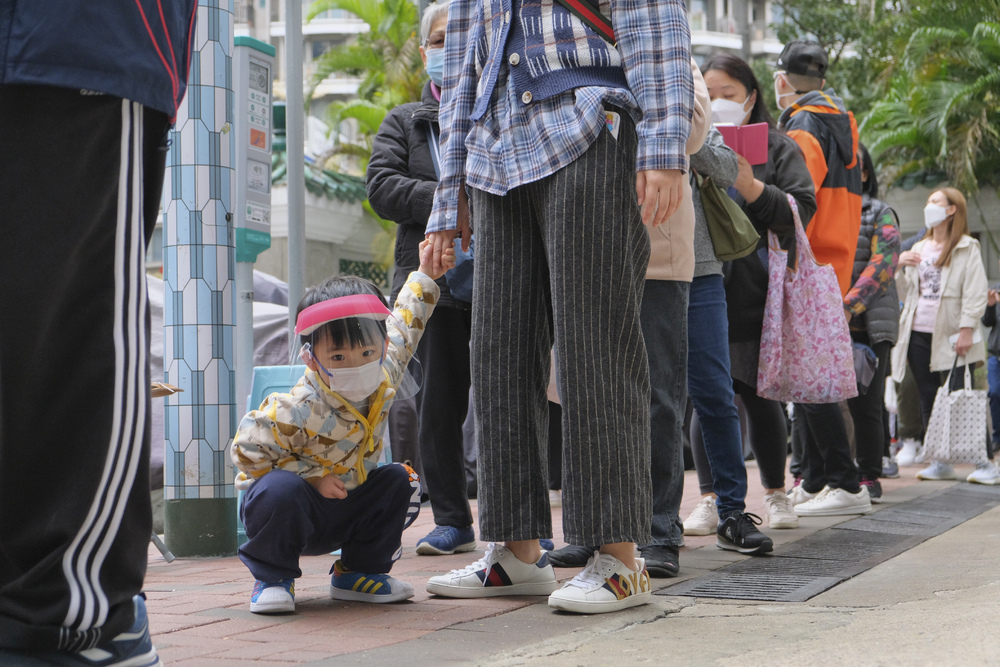
Five-percent of children said they are 'always' subject to physical punishment.