Read More
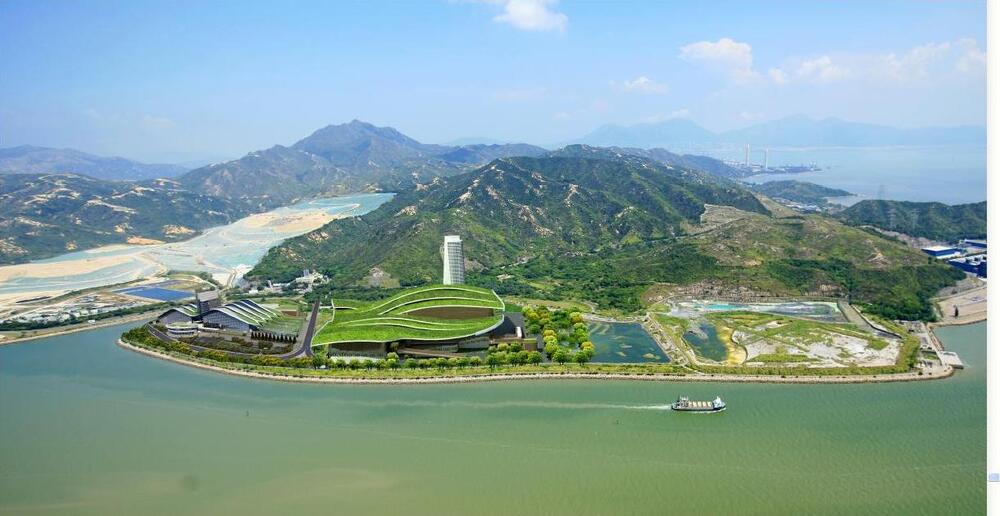
A mega-incinerator may be built in Tsang Tsui, Tuen Mun, according to the Environmental Protection Department.
ADVERTISEMENT
SCROLL TO CONTINUE WITH CONTENT
A spokesman of the EPD said authorities previously carried out an in-depth study of the middle ash lagoon in Tsang Tsui as a potential site for when they were planning the development of IPARK 1.
IPARK 1, now being built near Shek Kwu Chau, will be the first waste-to-energy facility that adopts advanced incineration technology to treat the city's solid waste. It is targeted for commissioning in 2025 and can process 3,000 tonnes of municipal solid waste per day.
The spokesman announced yesterday that fresh rounds of both the environmental impact assessment and the technical studies will commence in the first half of this year for the Tsang Tsui site, with a treatment capacity preliminarily set at around 4,000 tonnes of waste per day.
"Hong Kong needs to build more waste-to-energy facilities with a view of transforming all unavoidable and non-recyclable waste into resources as well as boosting electricity generation," the spokesman said.
The EPD also plans to commence a territory-wide study to identify other sites suitable for developing similar facilities. Factors including geographic location, available land, environmental impact, transportation arrangements and waste-management infrastructure will be taken into consideration when seeking new sites.
The new facilities are said to be part of the effort to fulfill the goals set out in the Waste Blueprint for Hong Kong 2035 and the city's Climate Action Plan 2050.
Currently, the two existing landfills in Hong Kong receive an average of 11,000 tonnes of waste in total every day.
Lawmaker Holden Chow Ho-ding of the Democratic Alliance for the Betterment and Progress of Hong Kong said the decision to build an incinerator in the New Territories contradicts the objective of developing a technology industry there.
"There is already a landfill and a columbarium in the district ... the decision to construct Hong Kong's second incinerator raises eyebrows," Chow said. He added that residents' opinions should be taken into account.
Director of Environmental Advocacy Hahn Chu Hon-keung said the incinerator is not only expensive but also fails to tackle the root of the problem. He noted that instead, a waste charging scheme may reduce waste by 10 to 20 percent.
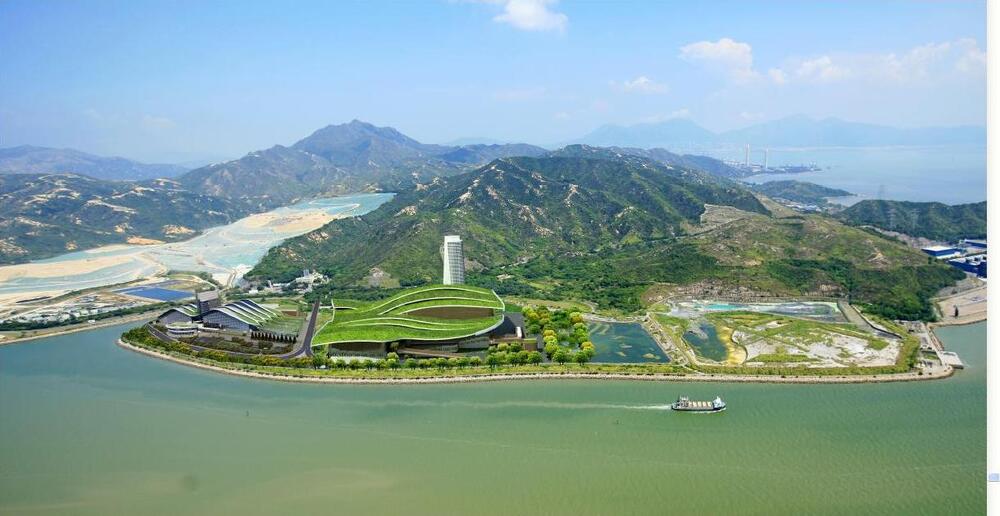
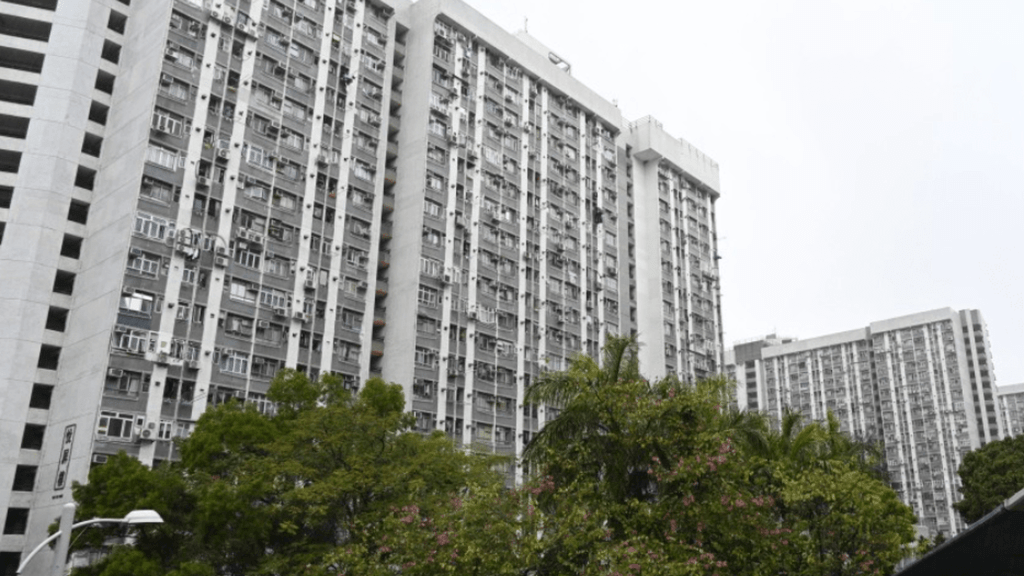
Tsang Tsui, Tuen Mun
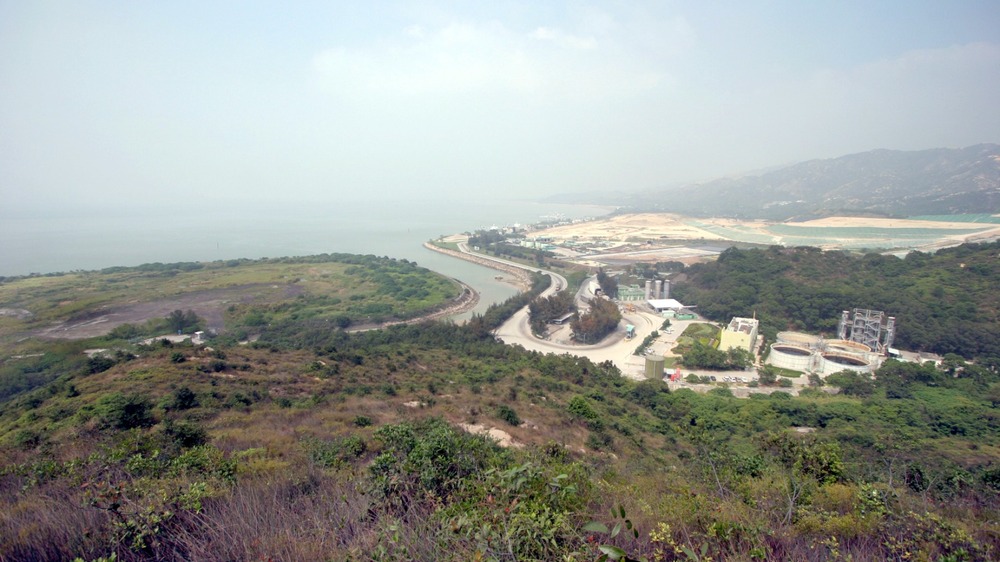
Middle Ash Lagoon