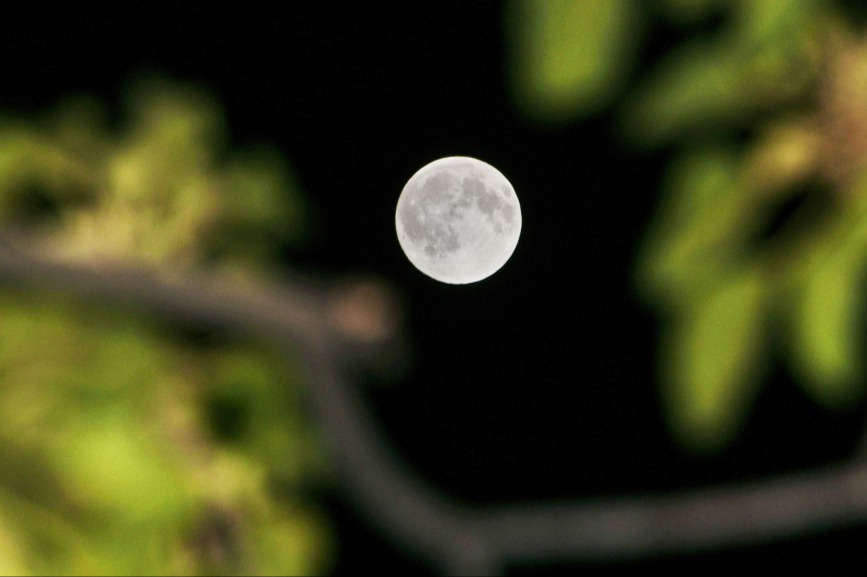
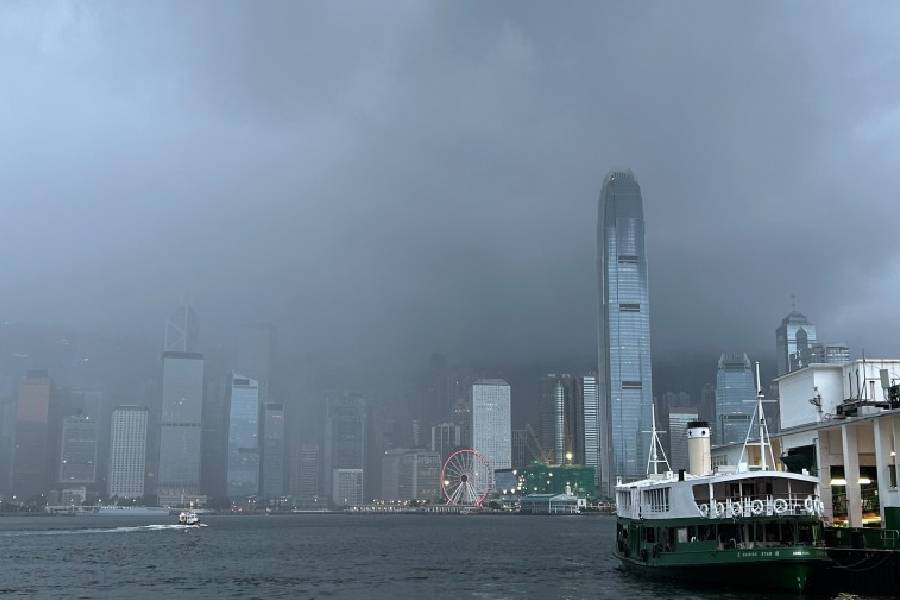
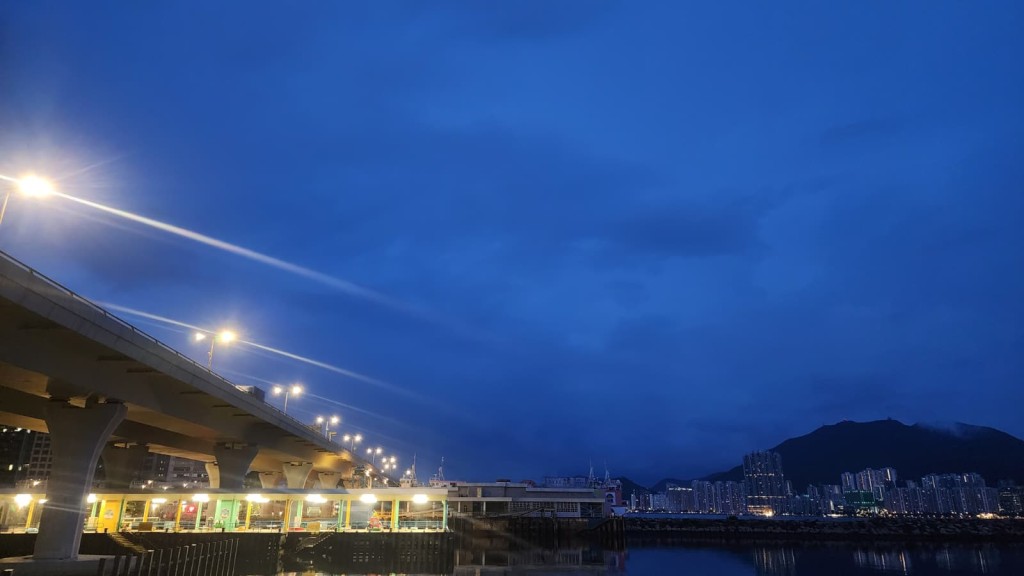
Hong Kong residents celebrating the Mid-Autumn Festival can look forward to favorable moon-watching conditions as generally fine and dry weather prevails across the territory.
The Hong Kong Observatory (HKO) noted that dry conditions dominated the coastal areas of Guangdong, with daytime relative humidity hovering around 60 percent across many districts and providing relatively clear evening skies for holiday stargazers.
According to astronomical projections released by the Observatory, the moon will rise at 5.20pm today, providing an early opportunity for holiday observers to catch sight of the festive spectacle along the eastern horizon.
The celestial display will culminate later in the night when the moon crosses the local meridian and reaches its highest elevation in the sky, an event known as transit, which is scheduled to take place at 11.24pm.
Skywatchers hoping to catch the celestial body at its fullest will have to look into the early hours of Sunday. Forecasters indicated that the official astronomical full moon will occur at 12.49am on September 27.
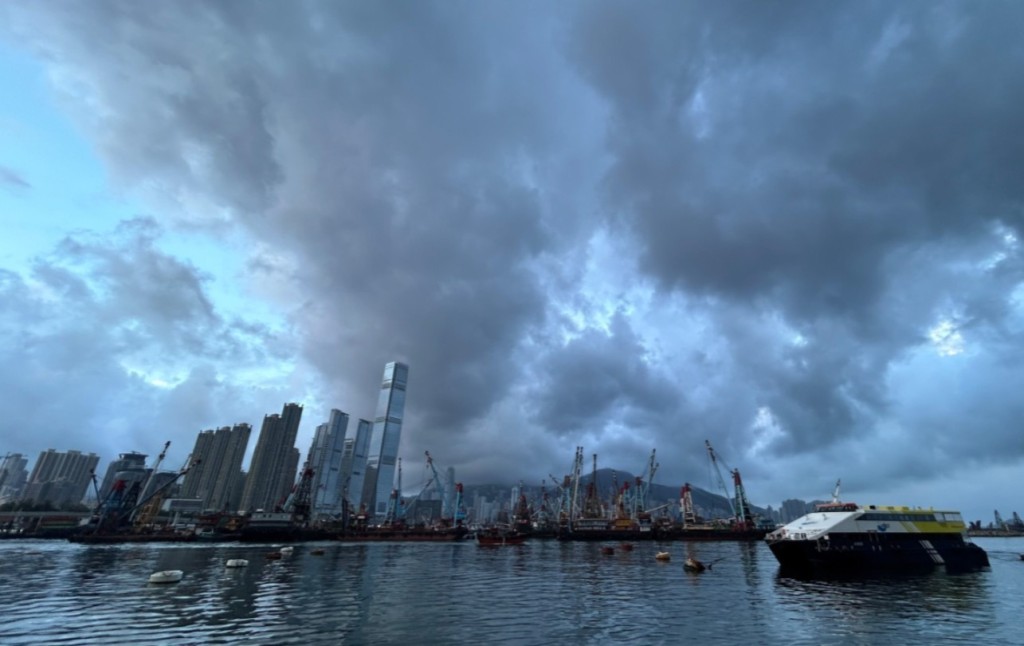
With only partial cloud cover and light to moderate easterly winds forecast for tonight, visibility across most vantage points in the territory is anticipated to be good, allowing families and gathering crowds to enjoy the traditional holiday spectacle outdoors.
Five-day heatwave and regional storm track on the horizon
While night skies remain largely clear, daytime celebrations will be accompanied by sweltering conditions.
The Observatory warned that an afternoon heatwave will keep maximum temperatures between 27 and 33 degrees Celsius today, marking the beginning of a prolonged stretch of hot weather expected to persist over the coming five days.
Light winds across coastal Guangdong over the weekend will further limit ventilation, pushing daytime peaks up to 34 degrees Celsius on Sunday.
Meteorologists reported that an upper-air anticyclone will extend over southeastern China from early to midweek, sustaining mostly sunny weather across the region while inland areas experience extreme daytime heat.
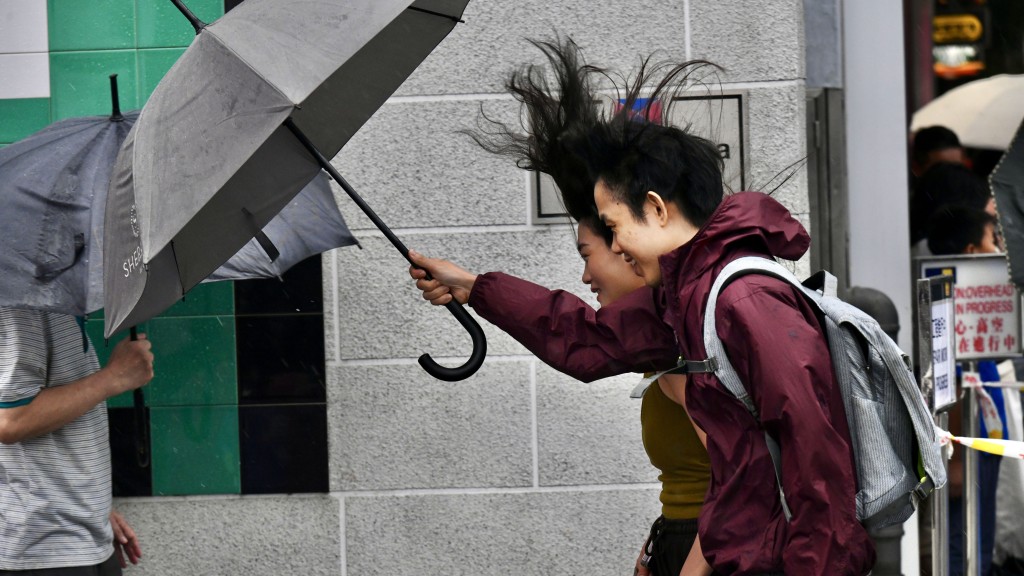
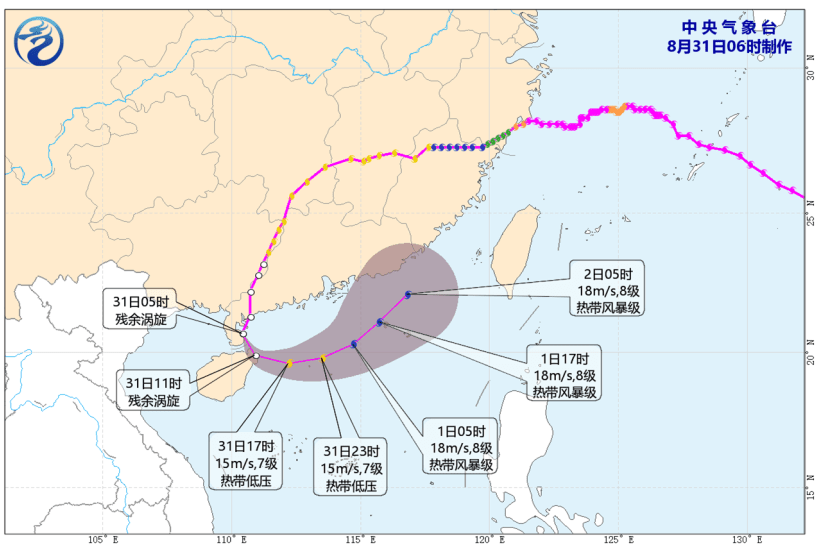
Although Tropical Storm Surigae was tracked approximately 710 kilometers south-southeast of Okinawa moving northwest toward waters east of Taiwan, it is projected to recurve toward the southern seas of Japan without directly impacting local conditions, leaving clear skies intact before a late-week northeast monsoon brings showers and thermal relief.