

Read More


Night Recap - September 23, 2026
1 hour ago










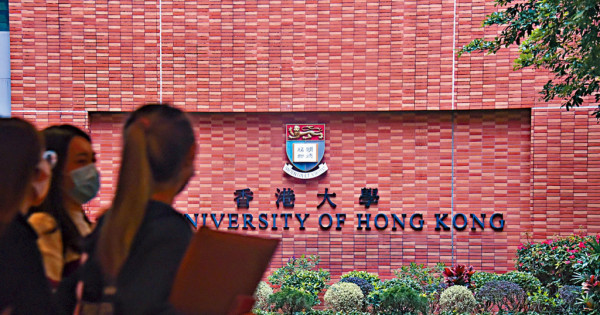
HKU admits 1,800 non-local students amid shifting geopolitics
22-09-2026 22:16 HKT
At least 12 Hongkongers convicted over the 2019 anti-government protests have reportedly been refused British National (Overseas) visas since Andy Burnham became British prime minister in July.
British newspaper Metro reported on Monday, citing lawyers, that the applicants had been denied visas by the UK Home Office because of their criminal convictions arising from the protests.
One of the applicants, a 28-year-old man identified by the pseudonym Edward, was sentenced to three and a half years in prison in January 2022 after being convicted of rioting during a protest in Yuen Long on July 28, 2019. He was released in March 2024.
Three of his family members subsequently settled in Britain under the BN(O) scheme, but his own application, submitted last October, was rejected on July 21 this year.
According to a refusal letter seen by Metro, the Home Office cited his riot conviction and referred extensively to the Hong Kong court's judgment.
Another applicant, identified as John, was convicted of rioting in connection with the 2019 protests at Hong Kong Polytechnic University. He was released from prison last November after serving two years and one month, but his BN(O) visa application was rejected on July 22.
Both applicants said they felt betrayed by the British government. Their legal representatives argued that the convictions arose from their pursuit of justice and democracy, but the Home Office rejected their arguments.
Under UK immigration rules, applicants sentenced to imprisonment for 12 months or more generally face mandatory refusal. However, published guidance allows exceptions for certain overseas convictions, including offenses that would not constitute crimes in Britain.
A Home Office spokesperson said it could not “assess the veracity” of the “anonymised claims.”
The spokesperson reiterated that the UK remained committed to supporting Hong Kong residents and welcoming eligible applicants through the BN(O) visa scheme, while stressing that immigration rules concerning criminal convictions and other adverse conduct also applied to BN(O) applications.