
Read More







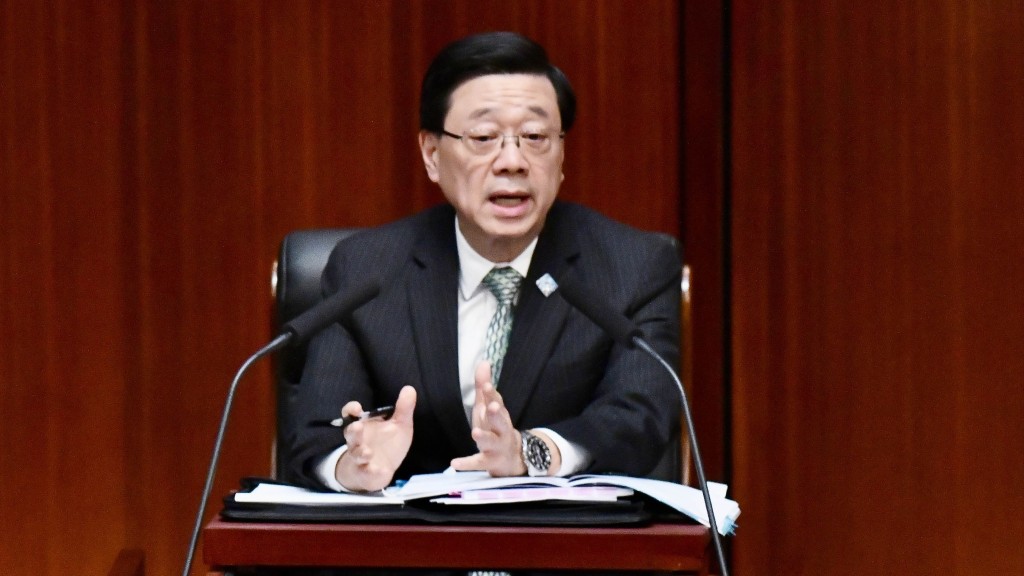
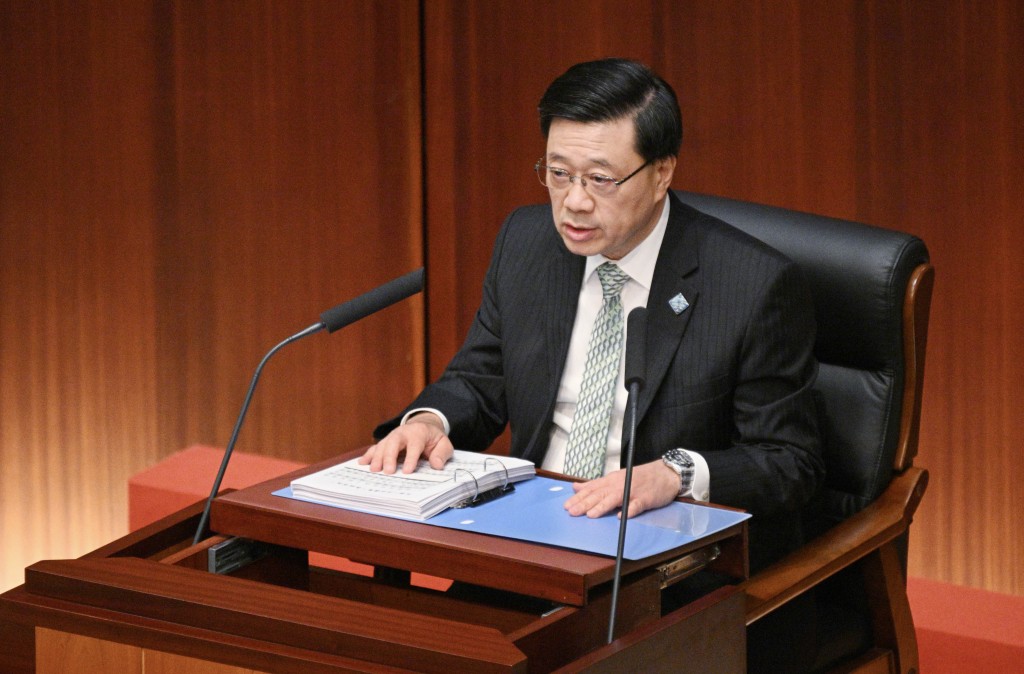
Chief Executive John Lee Ka-chiu said he will enter the final year of his term with a “clear mind”, stressing that his priority is to deliver on current government work while driving comprehensive reforms in the aftermath of the fatal Wang Fuk Court fire.
Speaking on a TV program on Sunday, Lee addressed questions about whether he would seek re-election to become Hong Kong’s first Chief Executive to complete two full terms. He said the job requires total focus, adding that his immediate task is to fulfill existing commitments.
On concerns that the Wang Fuk Court fire may overshadow his administration’s governance efforts, Lee acknowledged systemic and execution failures, pledging to implement comprehensive reforms once the report by the independent committee is released to prevent similar incidents.



On Hong Kong’s economic outlook, Lee defended the omission of specific GDP growth targets in the five-year plan, citing the city’s exposure to external factors beyond government control, including global conflicts, pandemic risks and tariff disputes.
He pointed to the Northern Metropolis and the innovation and technology sector as key new growth engines. Lee also noted that the government has recently raised its forecast for annual economic growth to between 3.5 and 4.5 percent.
Regarding rising unemployment, Lee said the volatile global environment makes long-term predictions difficult. He pledged support for local enterprises and said the city should focus on high-value advanced manufacturing to create jobs.
In his recent Policy Address, Lee also proposed setting up an “AI City Brain” integrated city-management system to improve urban management and strengthen emergency response capabilities.
Addressing public concerns about whether the system could be linked to the “SmartView” surveillance network for national security purposes, Lee said the integrated network is strictly designated for urban management functions, including traffic control and emergency response.
He added that it collects only operational public data rather than personal information, fully complies with privacy rules, and is not used for law enforcement or policing.