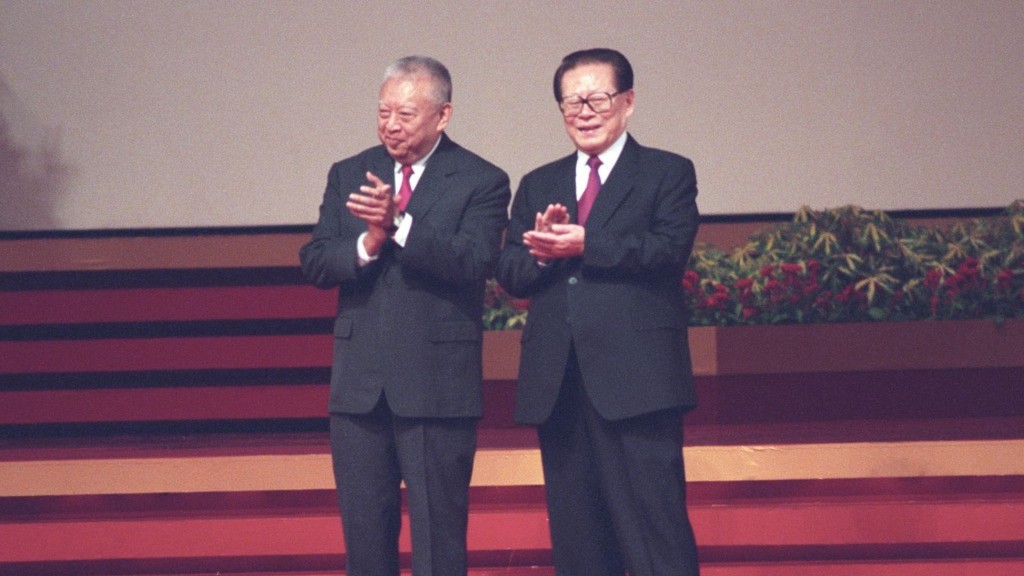
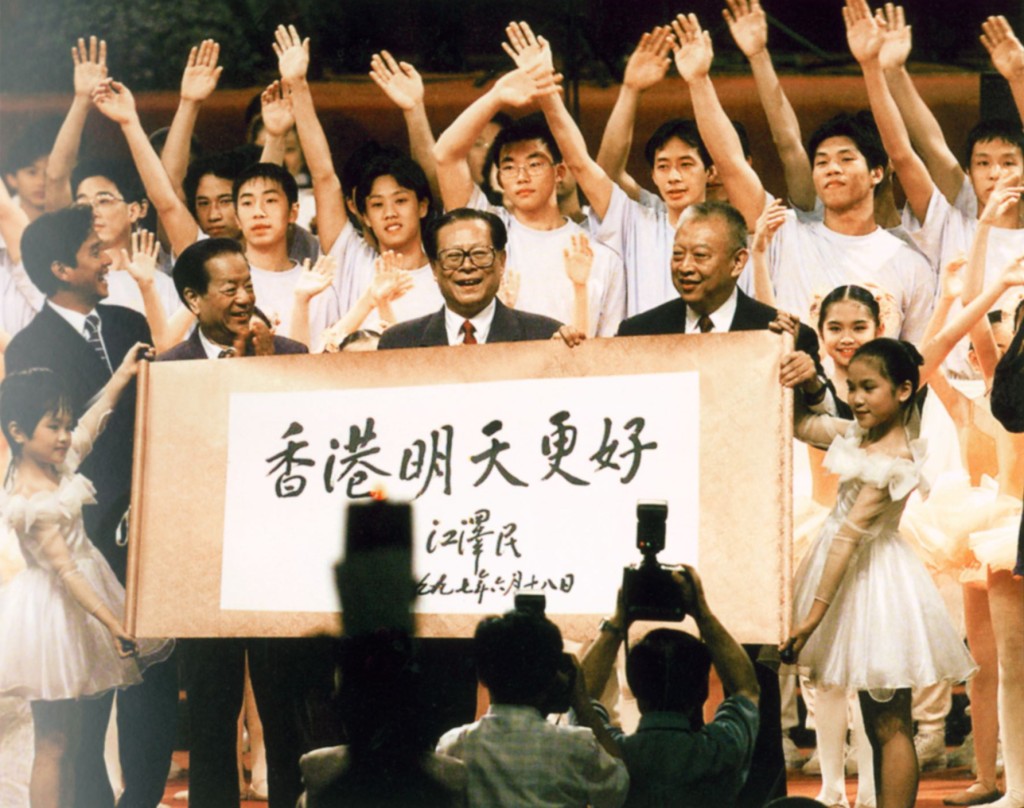
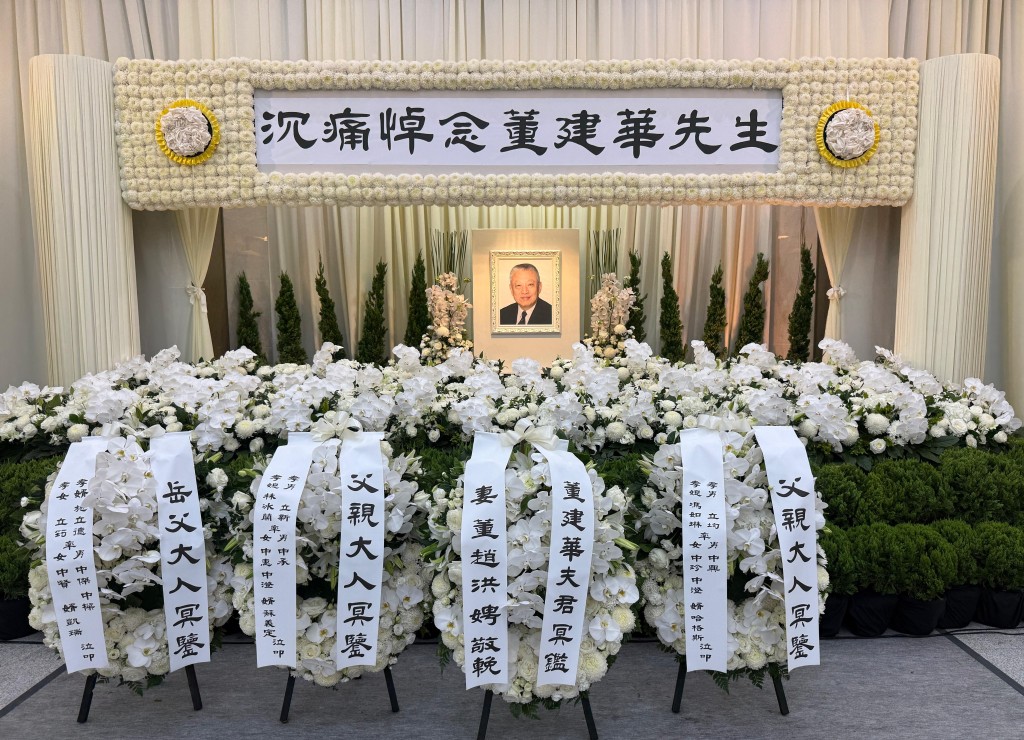
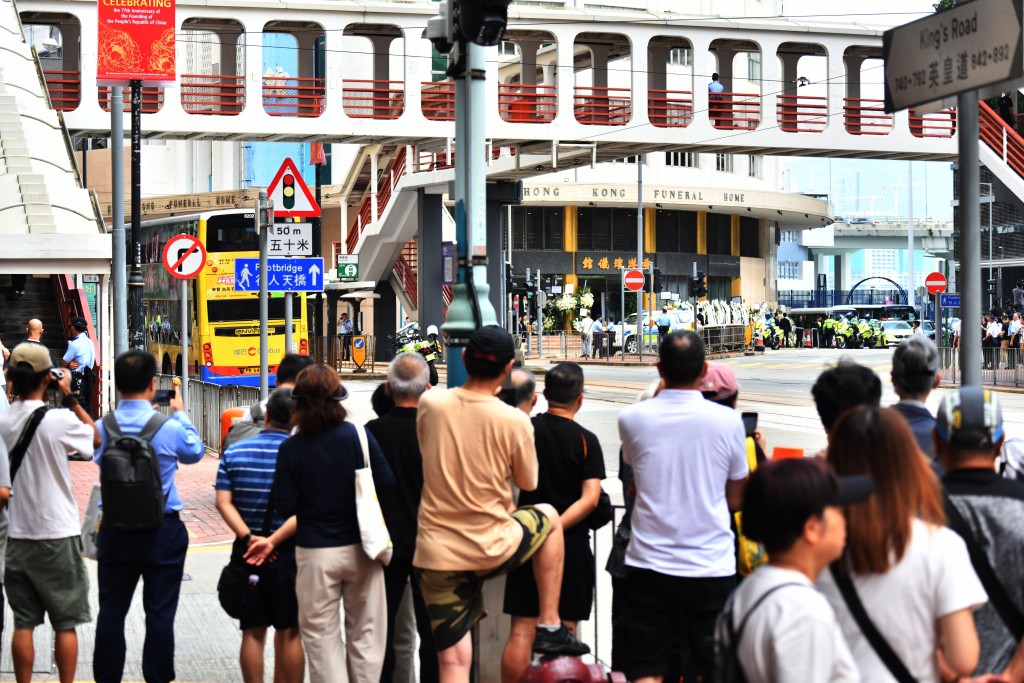
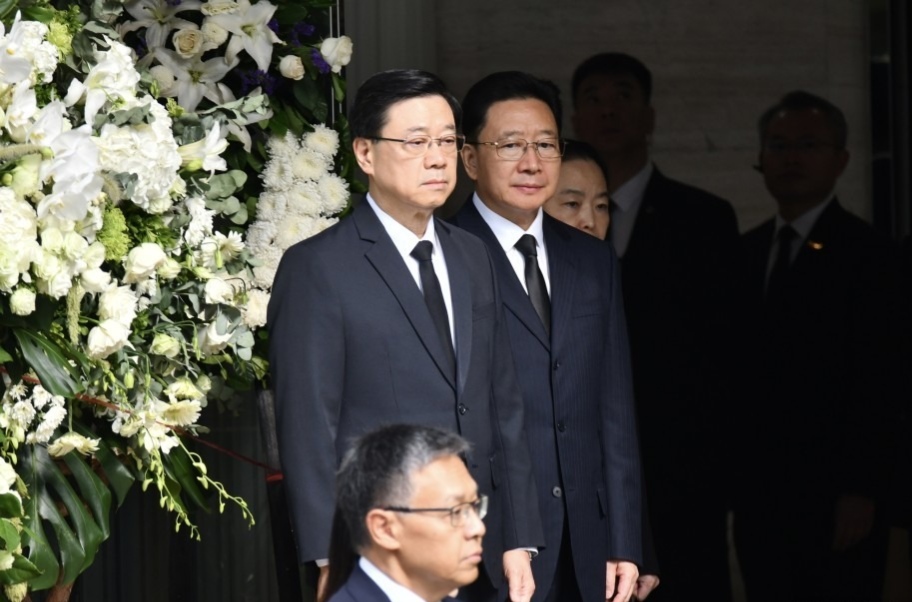
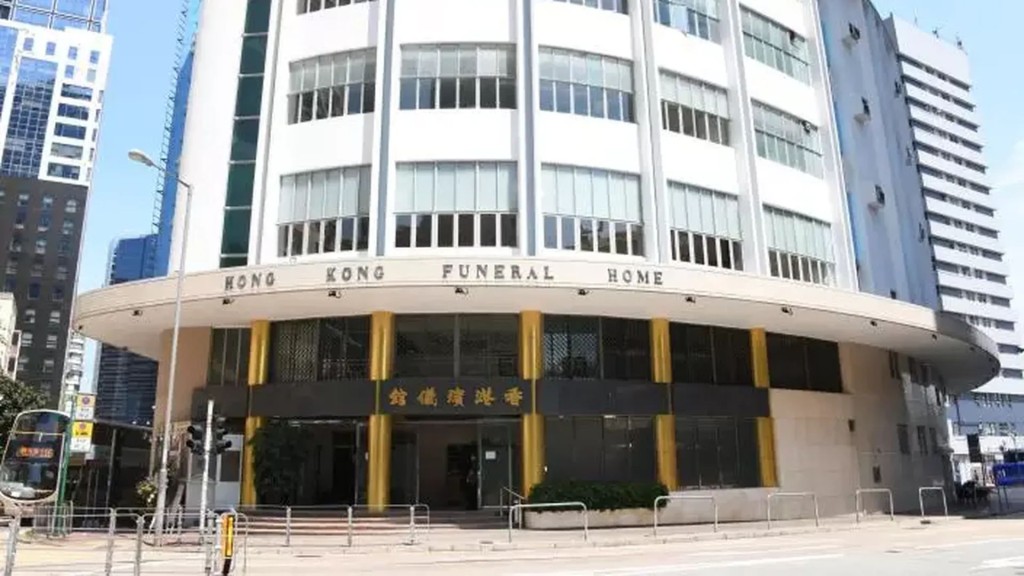
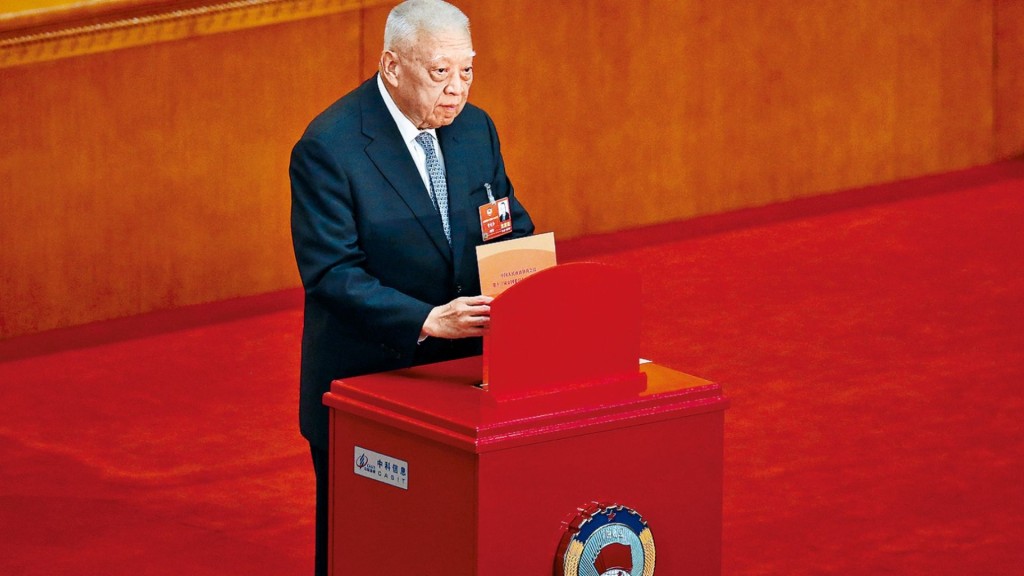
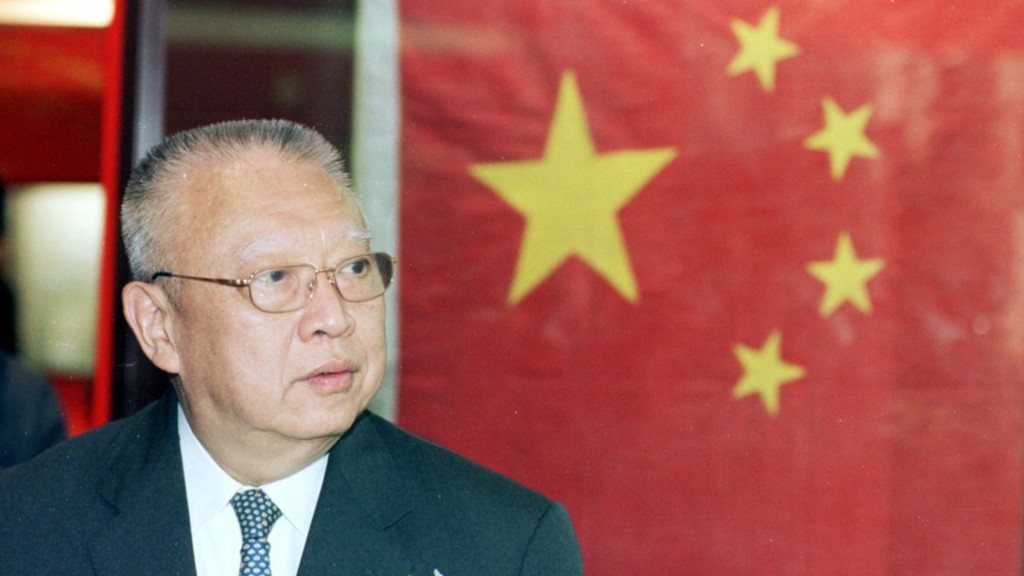
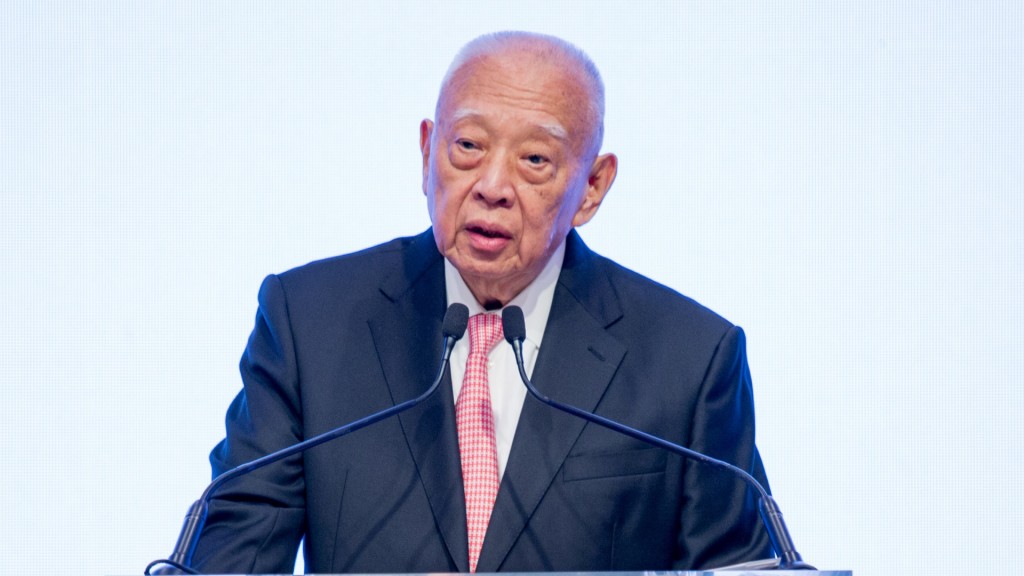
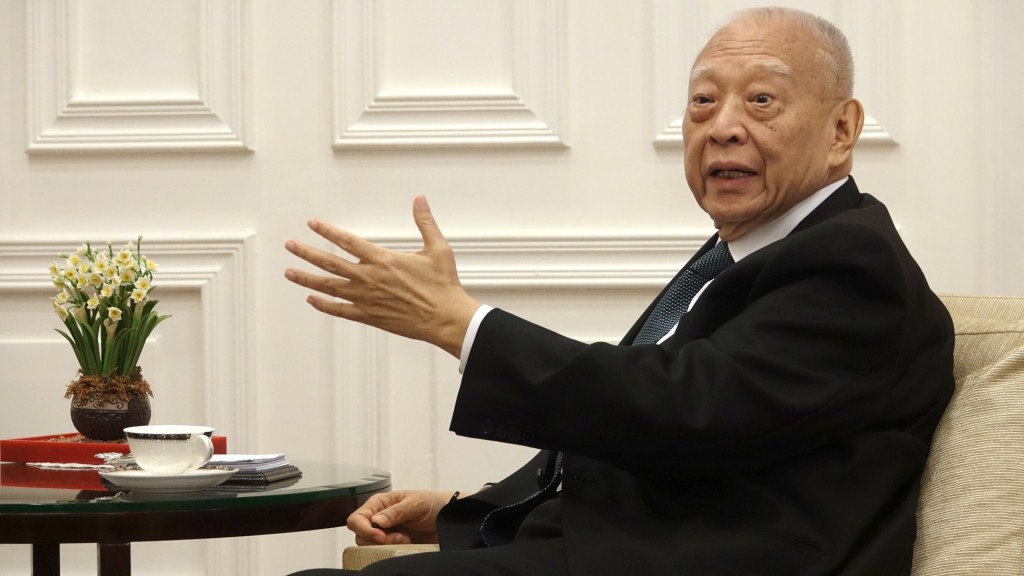
Tung Chee-hwa, Hong Kong's first Chief Executive who passed away at 89, left behind a legacy of significant policies and controversies during his eight years in office.
From businessman to Chief Executive
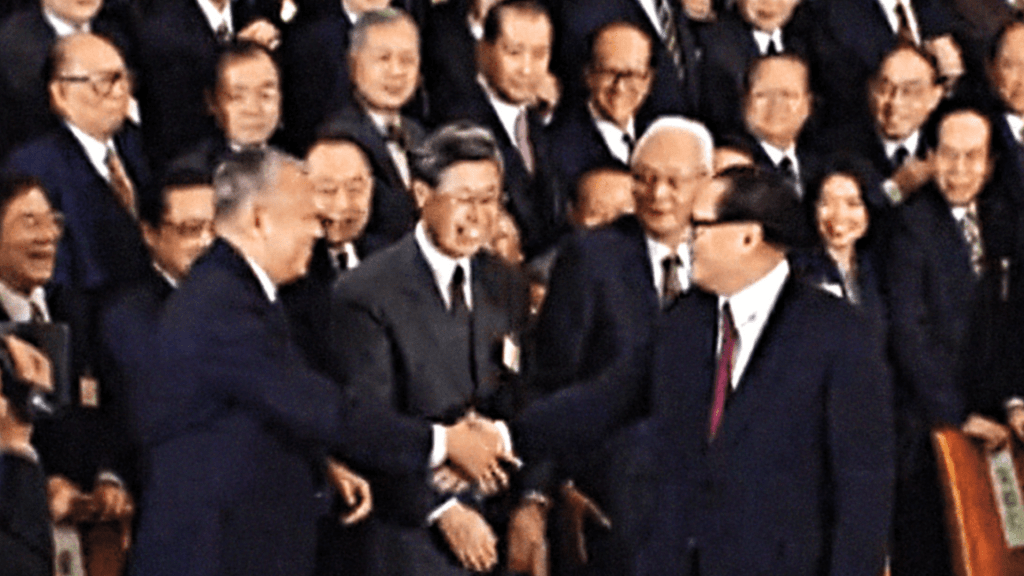
Tung's political career began in 1992 when then-Governor Chris Patten appointed him to the Executive Council. In January 1996, then-CCP General Secretary Jiang Zemin met with members of the Hong Kong SAR Preparatory Committee in Beijing and was photographed shaking hands only with Tung — widely seen as a signal of Beijing's support for his candidacy. He went on to defeat his rivals to become Hong Kong's first Chief Executive, taking office on July 1, 1997.
Major policies and controversies
Tung's tenure saw numerous ambitious initiatives. His 1997 policy address proposed building 85,000 flats annually, but the Asian financial crisis sent property prices plunging, leaving many homeowners with negative equity. In June 2000, he admitted the "85,000 flats policy" no longer existed.
In 1999, Tung referred the right of abode issue to the Standing Committee of the National People's Congress for interpretation, following a Court of Final Appeal ruling that would have granted right of abode to an estimated 1.67 million mainland-born children. The interpretation limited eligibility to legitimate children and reduced the number to about 200,000.
He also introduced high-level accountability system in 2002, replacing the traditional civil service model with political appointees. The system saw resignations including Financial Secretary Antony Leung over a car purchase scandal and Secretary for Health and Welfare Yeoh Eng-kiong over the SARS outbreak.
In 2003, Tung's push for national security legislation under Article 23 sparked massive protests, culminating in a 500,000-strong march on July 1. He was forced to withdraw the bill in September.
Resignation and later years
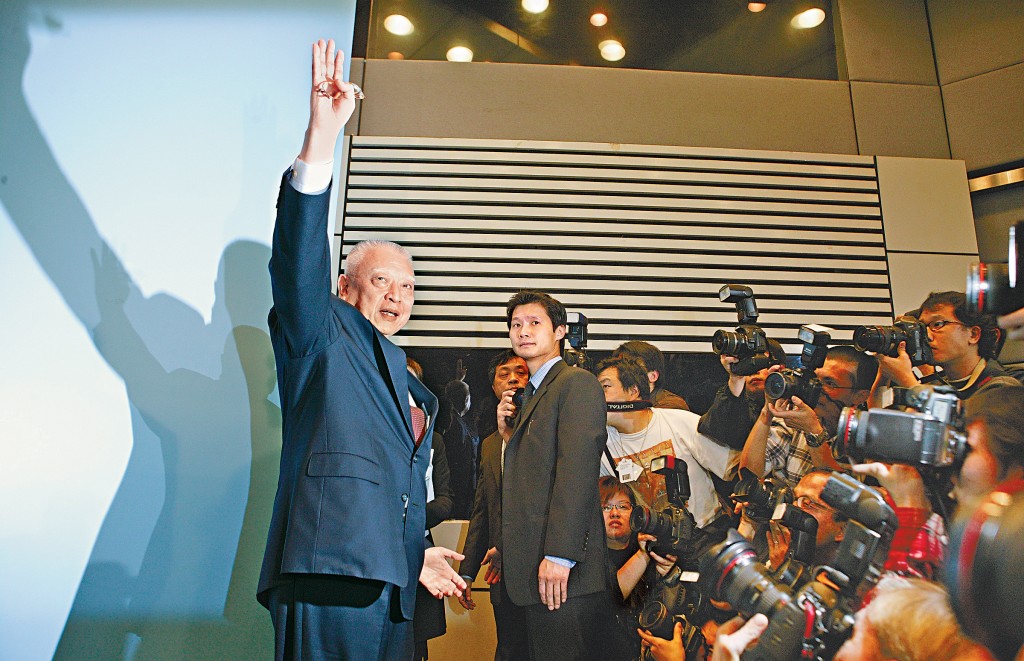
Following criticism over the SARS outbreak and the Article 23 debacle, Tung was publicly urged by President Hu Jintao in December 2004 to reflect on shortcomings. On March 10, 2005, citing health reasons — and famously mentioning "foot pain" to reporters — he submitted his resignation. Two days later, the State Council approved his departure, and he was appointed Vice Chairman of the National Committee of the Chinese People's Political Consultative Conference.
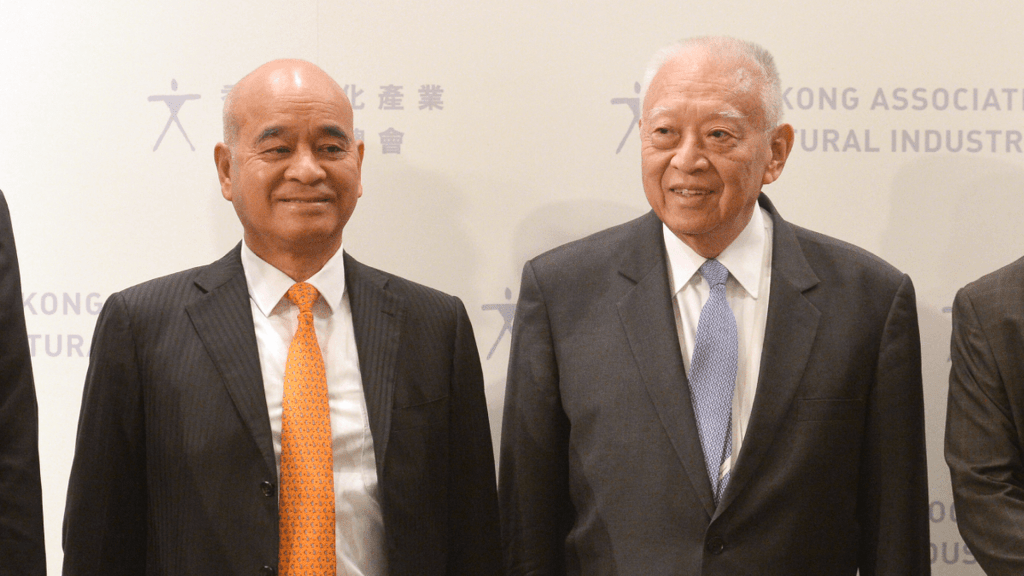
After leaving office, Tung continued his public service, founding the Our Hong Kong Foundation in 2014 and serving as an independent non-executive director of Alibaba Group. He remained largely out of public view in recent years due to health issues.