
Read More
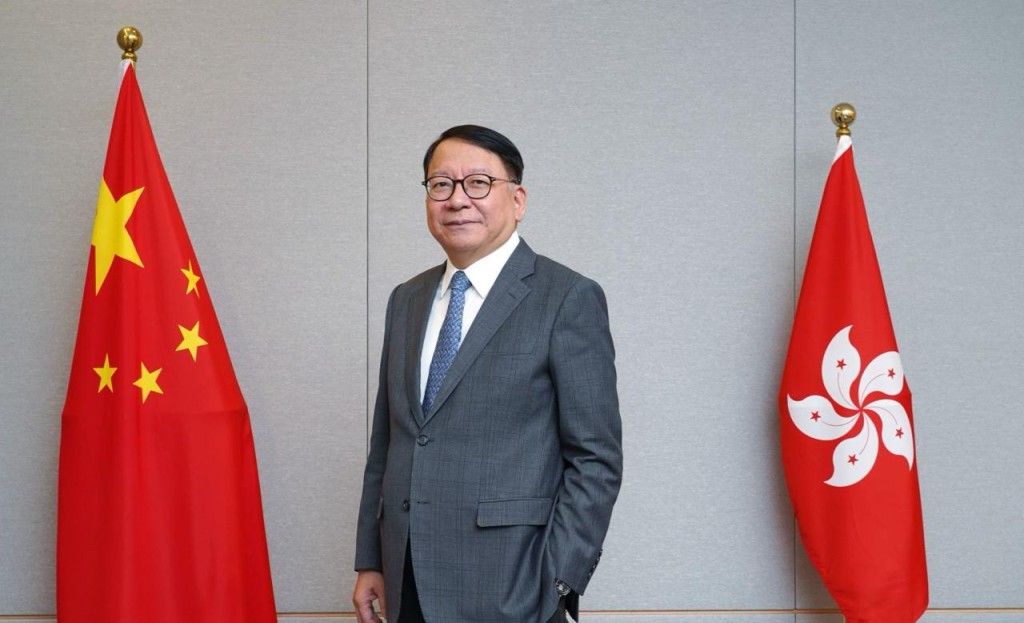
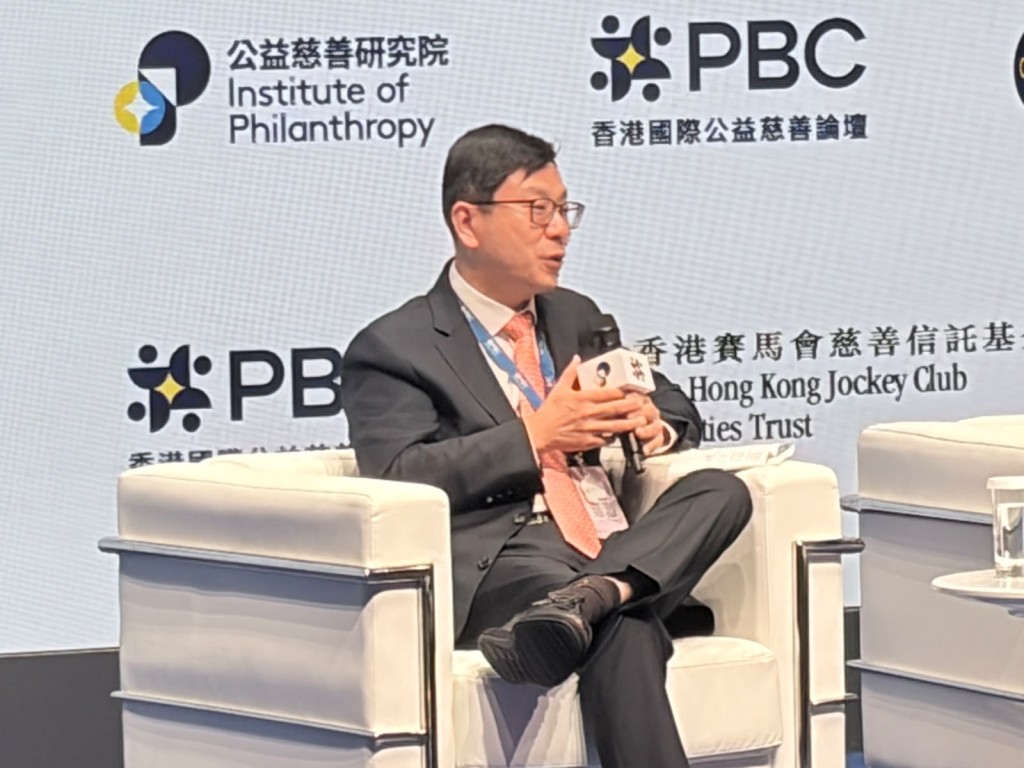
Hong Kong will launch a new platform later this year to channel private-sector resources into social welfare projects for targeted poverty alleviation, Secretary for Labour and Welfare Chris Sun Yuk-han announced on Monday.
ADVERTISEMENT
SCROLL TO CONTINUE WITH CONTENT
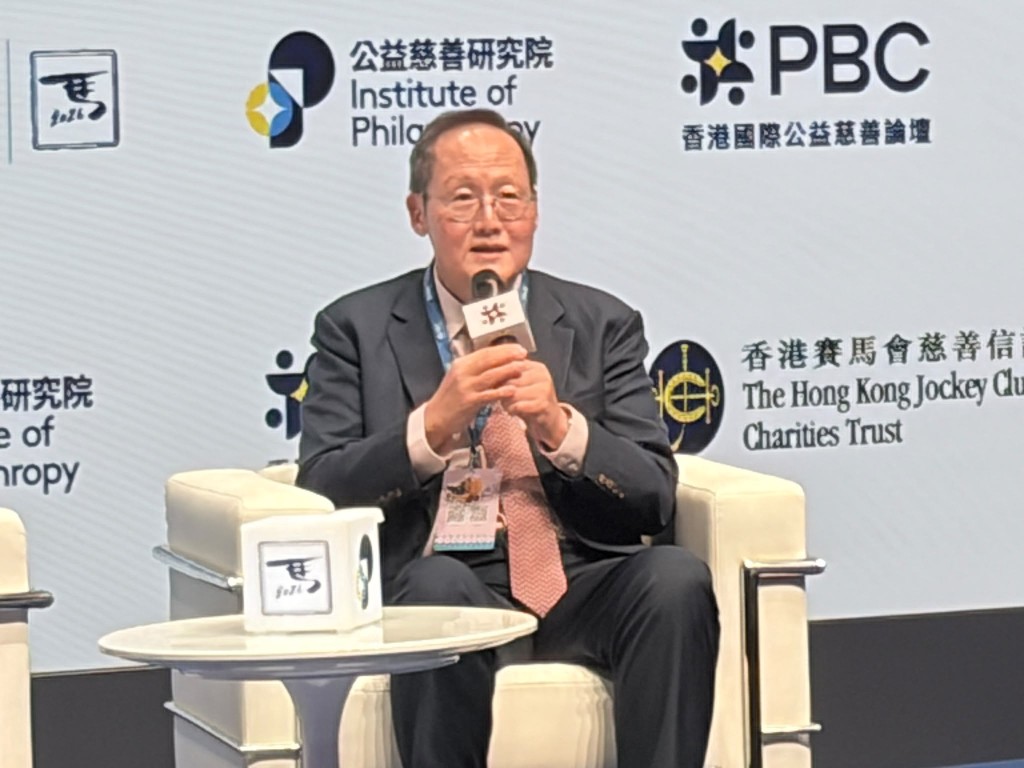
His remarks came as the Philanthropy for Better Cities Forum, hosted by the Hong Kong Jockey Club, opened at the West Kowloon Cultural District on Monday.
The two-day event is expected to see around 2,000 leaders across philanthropy, sports and business sectors worldwide to exchange insights on the challenges and opportunities in philanthropy.
Speaking at the forum, Sun said the new platform aims to formalize collaboration between the government, business and civil society to deliver innovative and targeted services.
He explained that the initiative will invite NGOs, charitable foundations and philanthropic organizations across the city to channel private sector resources to address Hong Kong's welfare issues.
Sun also expressed gratitude to the HKJC for its substantial contributions as the city’s largest nongovernmental charitable donor.
Touching on future workforce readiness, Sun noted that holding a university degree no longer guarantees career success, which now increasingly hinges on artificial intelligence proficiency, specialized technical expertise, and soft skills such as communication and relationship-building.
He stressed that adaptability and the ability to build trust remain critical to standing out in modern workplaces.
Echoing similar labor-market themes, Singapore's Minister for Manpower and Second Minister for Trade and Industry, Tan See Leng, shared Singapore’s workforce strategy at the forum.
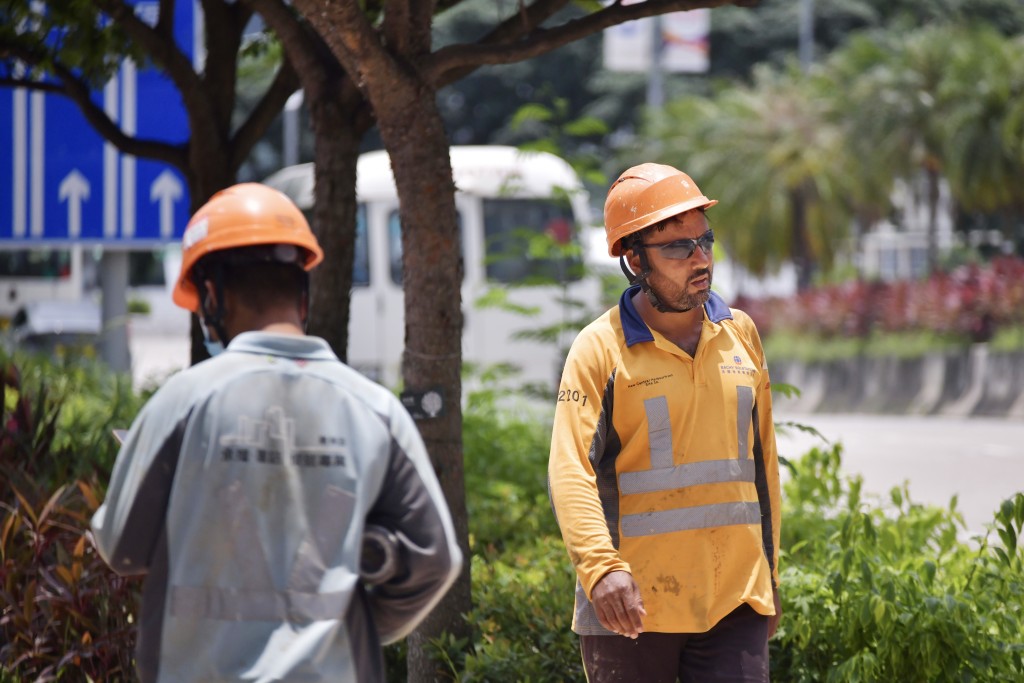
Tan noted that Singapore strategically deploys foreign labor to supplement the domestic workforce in sectors facing acute talent shortages, including construction, maritime, and advanced manufacturing.
Tan also highlighted Singapore’s Progressive Wage Model, which sets sector-specific wage ladders and annual adjustment benchmarks through tripartite negotiations among labor unions, employers, and the government.
Tan reported that Singapore has invested nearly $10 billion in Singapore dollars for training, upskilling and career transition programs for local workers over the past five years.
Notably, through initiatives like the SkillsFuture Mid-Career Enhanced Subsidy, workers aged 40 and older receive substantial subsidies to reskill, ensuring equal opportunities for advancement across all career stages.