






Read More

Night Recap - October 23, 2026
53 mins ago



Late police constable Chu Chun-kwok to receive full honors funeral on Fri
22-10-2026 15:33 HKT

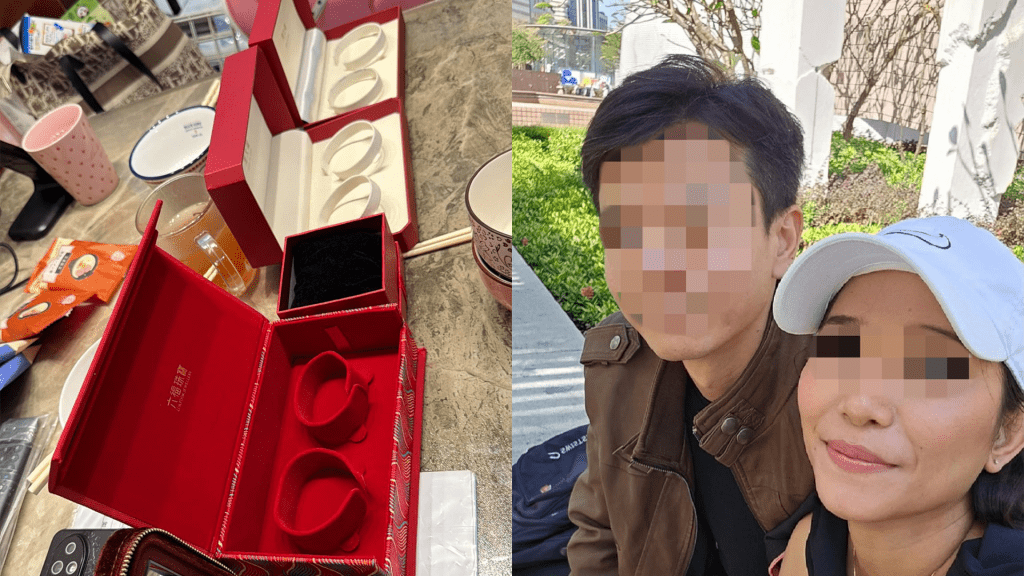
Domestic helper suspected after $420,000 worth of gold jewelry goes missing
22-10-2026 18:55 HKT


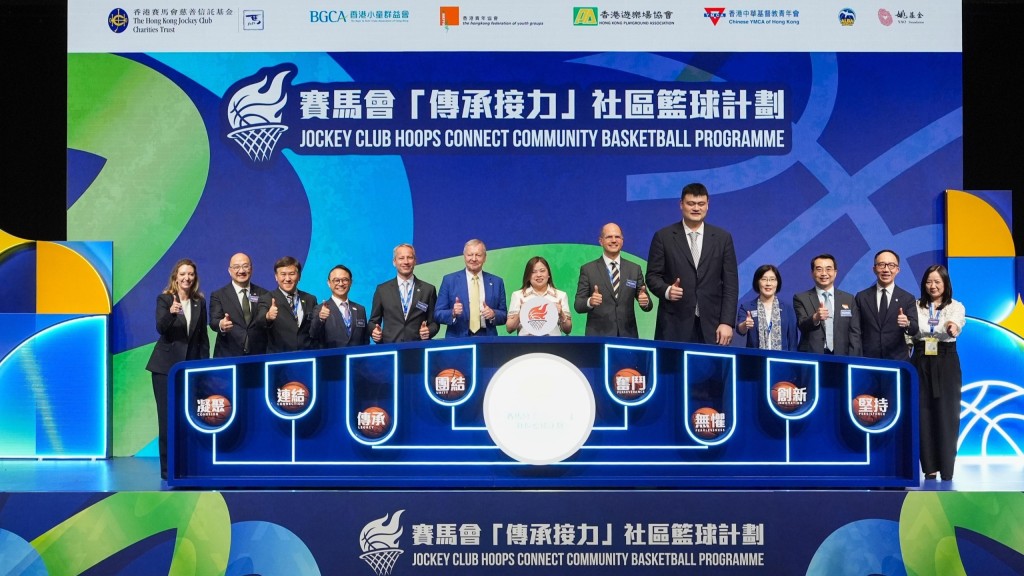
The Hong Kong Jockey Club has approved a donation exceeding HK$134 million through its Charities Trust to fund a five-year community basketball initiative aimed at nurturing youth development and building character. Known as the Jockey Club Hoops Connect Community Basketball Programme, the scheme aligns with national strategies under the 15th Five-Year Plan and the Healthy China initiative to promote sports participation and healthy living among young people.
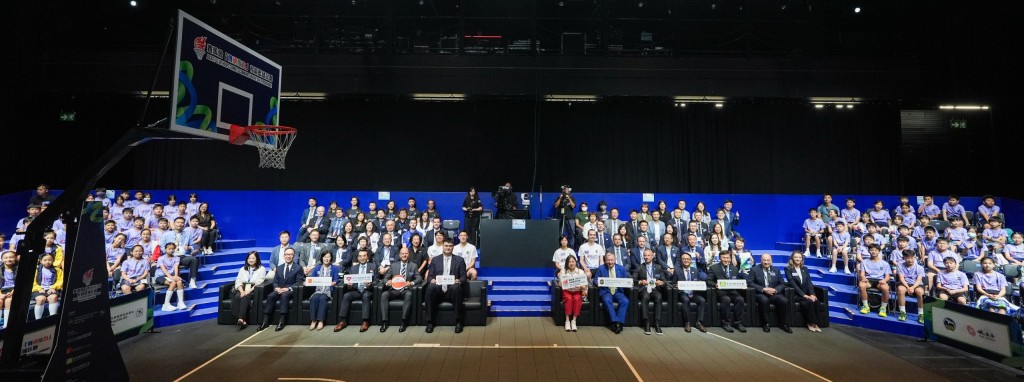
An official launch ceremony took place on Monday alongside the Philanthropy for Better Cities Forum 2026.
The event brought together prominent government officials, sports administrators, and youth leaders, including Secretary for Culture, Sports and Tourism Rosanna Law, Jockey Club Chief Executive Officer Winfried Engelbrecht-Bresges, International Basketball Federation Secretary General Andreas Zagklis, ALBA Berlin Basketball President Dr Axel Schweitzer, and Yao Foundation Founder Yao Ming.
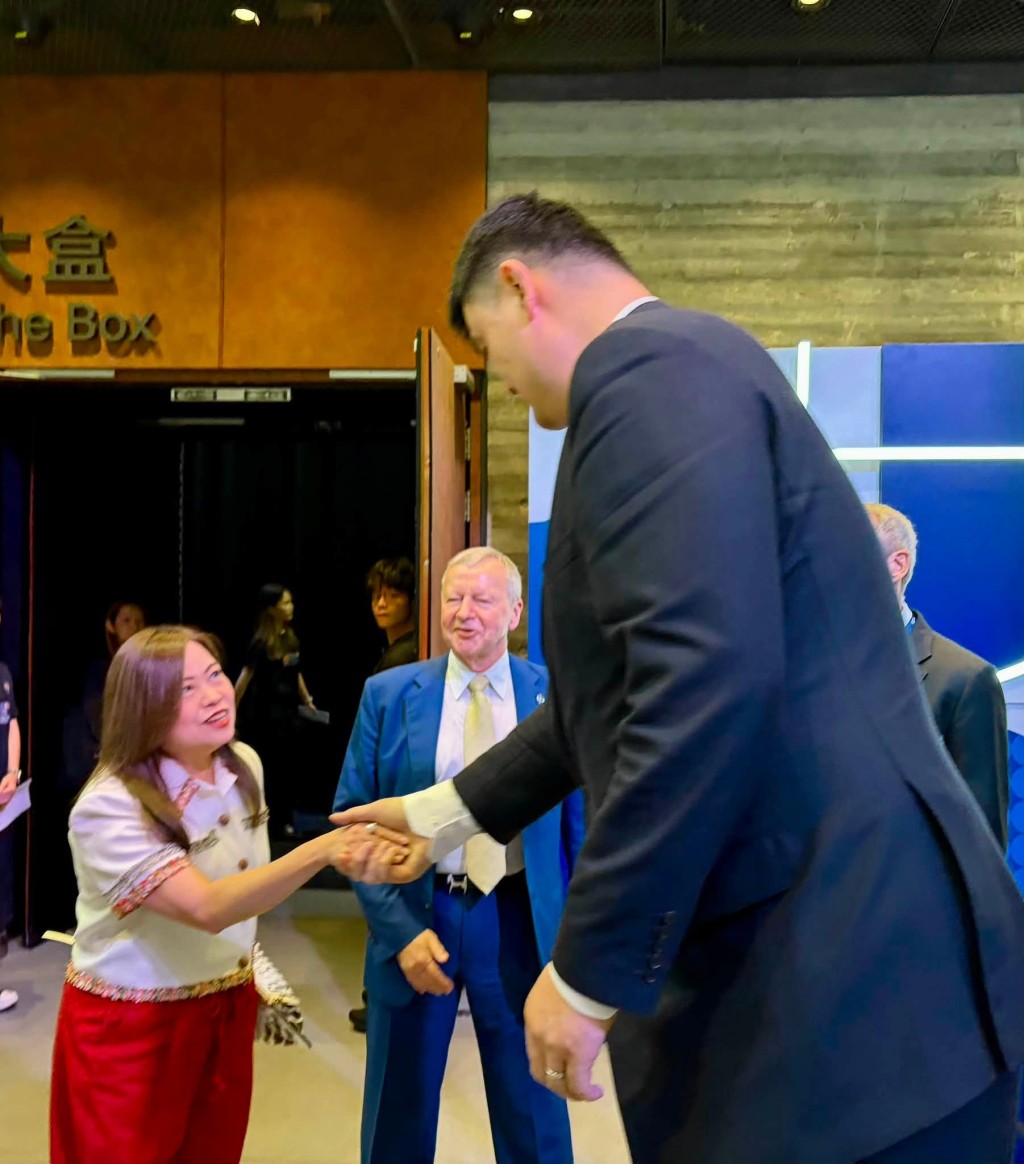
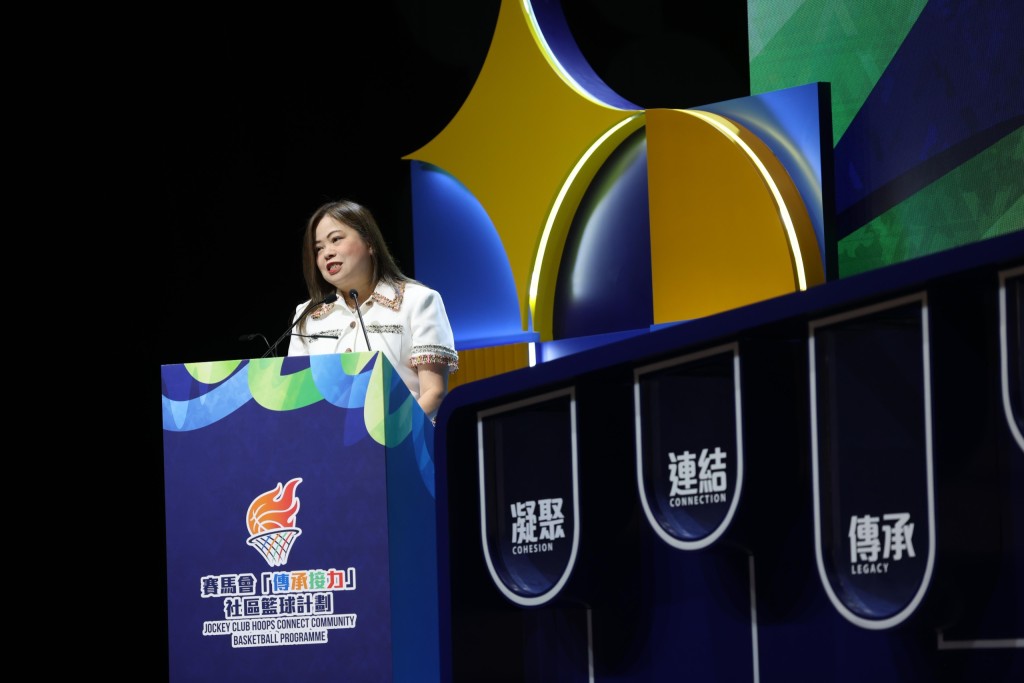
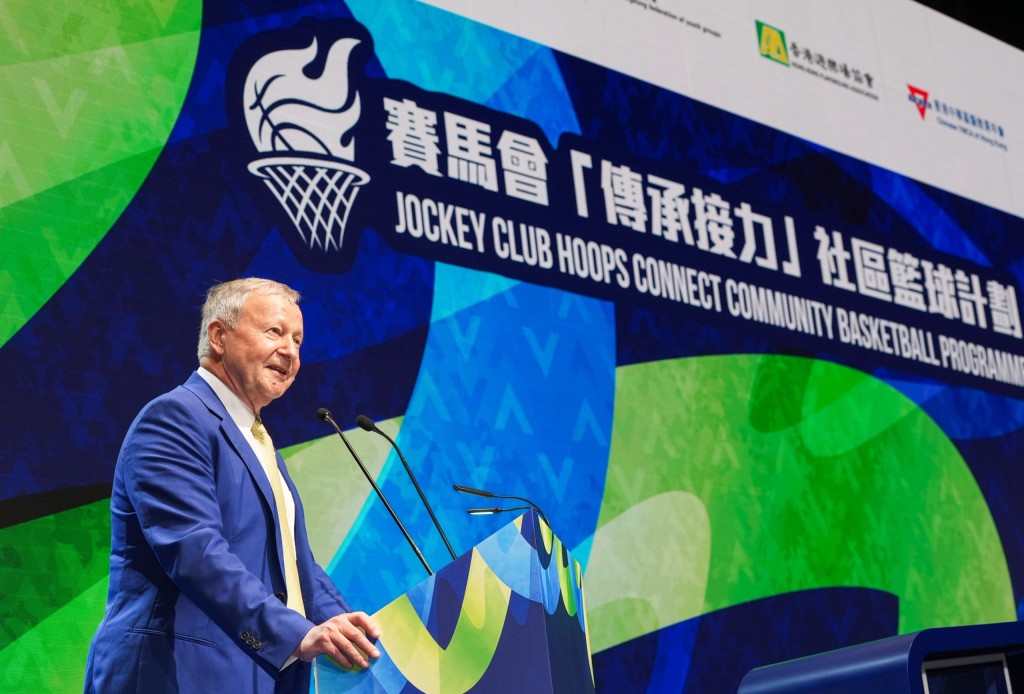
Addressing attendees at the ceremony, Secretary for Culture, Sports and Tourism Rosanna Law emphasized that athletic participation extends beyond performance by building mental and physical resilience, strengthening community cohesion, and instilling positive values.
She reaffirmed the government's continued investment in local sports development and expressed confidence that the partnership would expand structured sports opportunities for local youths.
Jockey Club Chief Executive Officer Winfried Engelbrecht-Bresges underscored the transformative potential of team sports, highlighting basketball as an effective vehicle for instilling valuable life lessons.
He explained that the Club is pursuing a three-pronged approach focused on upgrading sports facilities, rolling out community-level programs, and training certified coaches to create a sustainable basketball ecosystem across the city.
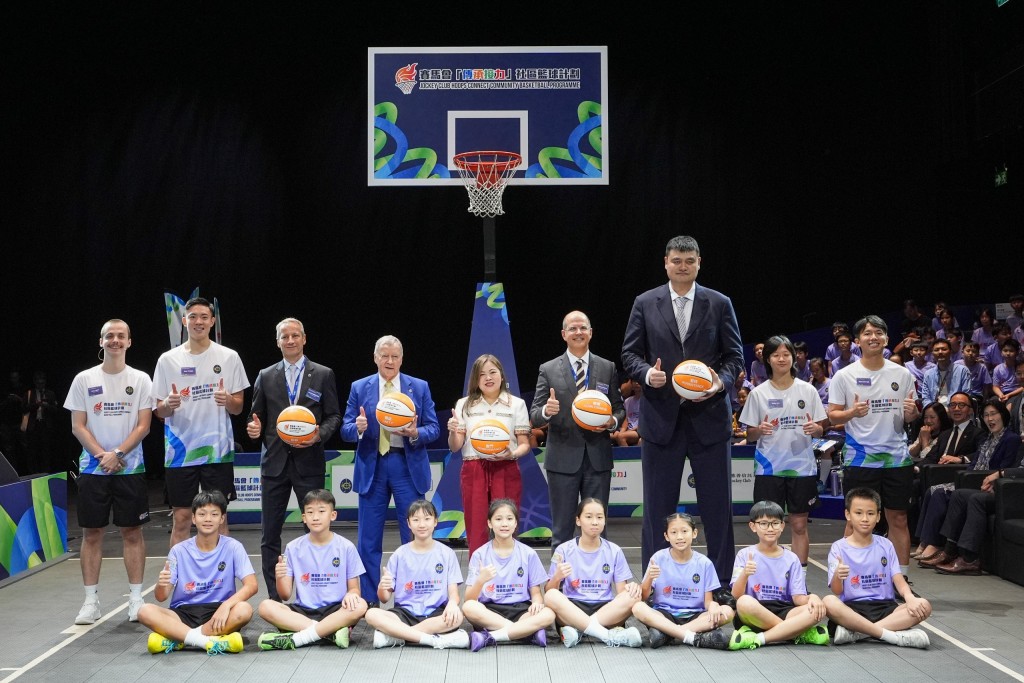
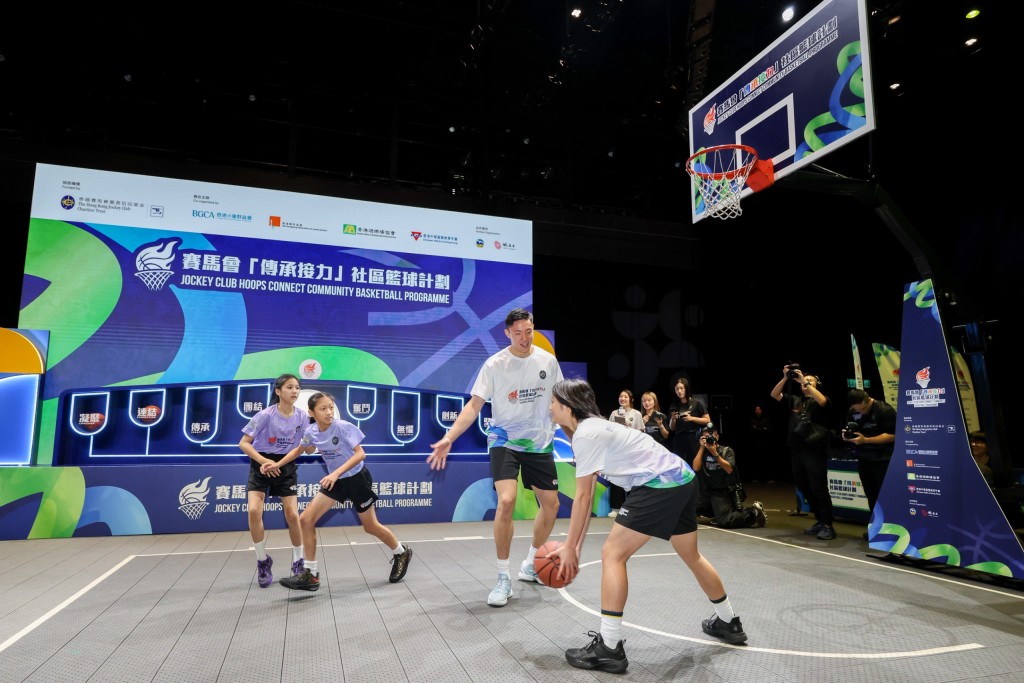
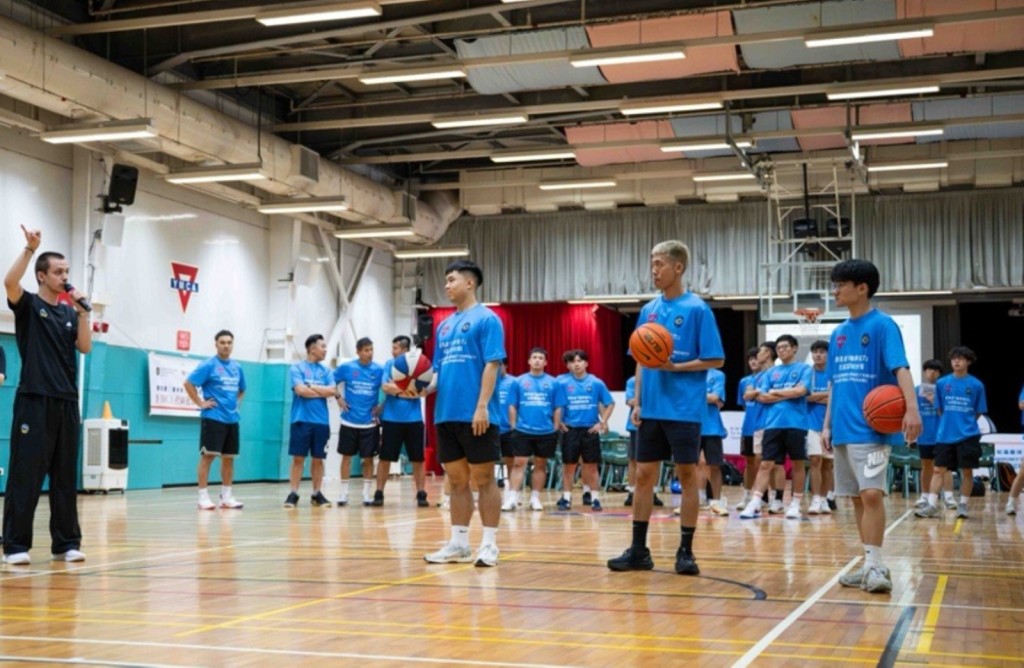
International Basketball Federation (FIBA) Secretary General Andreas Zagklis emphasized that sports governance must move beyond a narrow obsession with elite podium finishes and instead leverage athletics as an engine for social progress.
Zagklis cautioned that global sporting bodies often fixate excessively on short-term milestones such as weekend match outcomes, seasonal balance sheets, or four-year Olympic cycles.
Noting that government sports ministers worldwide still predominantly measure success by medal counts, he stressed that driving long-term social impact through initiatives like the FIBA Foundation's "Basketball for Good"—which tackles childhood obesity, gender equality, and social inclusion—has become an imperative rather than an optional endeavor.
Echoing this sentiment, Axel Schweitzer, chairman of Interzero and ALBA Group Asia as well as president and owner of German basketball club ALBA Berlin, highlighted his team's deliberate evolution from a purely competitive outfit into a purpose-driven community institution.
While acknowledging that professional sports naturally revolve around winning, Schweitzer noted that the euphoria of a championship lasts only a fleeting moment compared to building a sustainable legacy.
He underlined that the club's true value lies in its daily community roots, pointing out that without its social outreach, local schools would lose an essential educational partner and neighborhoods would be deprived of a vital gathering hub.
The five-year initiative will span all 18 districts of Hong Kong, offering annual nine-month training programs designed specifically for youths aged six to 16.
The scheme will place a particular emphasis on supporting children from low-income or disadvantaged backgrounds who may otherwise face financial or social barriers to regular sports training.
Organized in collaboration with The Boys' and Girls' Clubs Association of Hong Kong, The Hong Kong Federation of Youth Groups, and the Hong Kong Playground Association, the training model integrates international best practices derived from ALBA Berlin and the Yao Foundation.
Beyond court training and local competitions, participants will also take part in educational workshops and cross-border exchange trips to the Chinese Mainland and overseas.
Over the duration of the program, more than 4,600 young athletes are expected to benefit, with community outreach events projected to draw around 50,000 participants.
To ensure long-term sustainability and maintain high coaching standards, the Chinese YMCA of Hong Kong is partnering with ALBA Berlin to introduce a specialized coaching course.
Targeted at tertiary students enrolled in sports-related disciplines, the curriculum equips prospective coaches with modern coaching techniques and youth mentorship skills.
Graduates who complete the training will receive dual accreditation consisting of a local certificate from the YMCA and international recognition through ALBA Berlin.
The program aims to train roughly 450 coaches, expanding the city's pipeline of qualified instructors and supporting broader sports development initiatives funded under the Club's three-year, HK$3 billion sports commitment.