Read More


Hong Kong CPI rises 1.9pc in September
18 hours ago
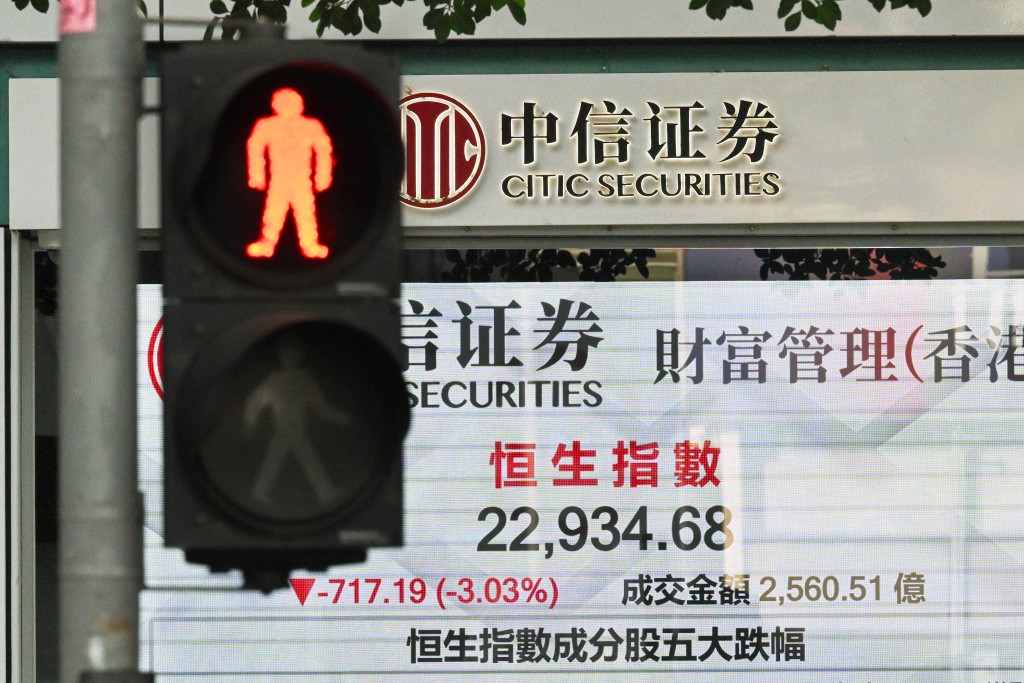
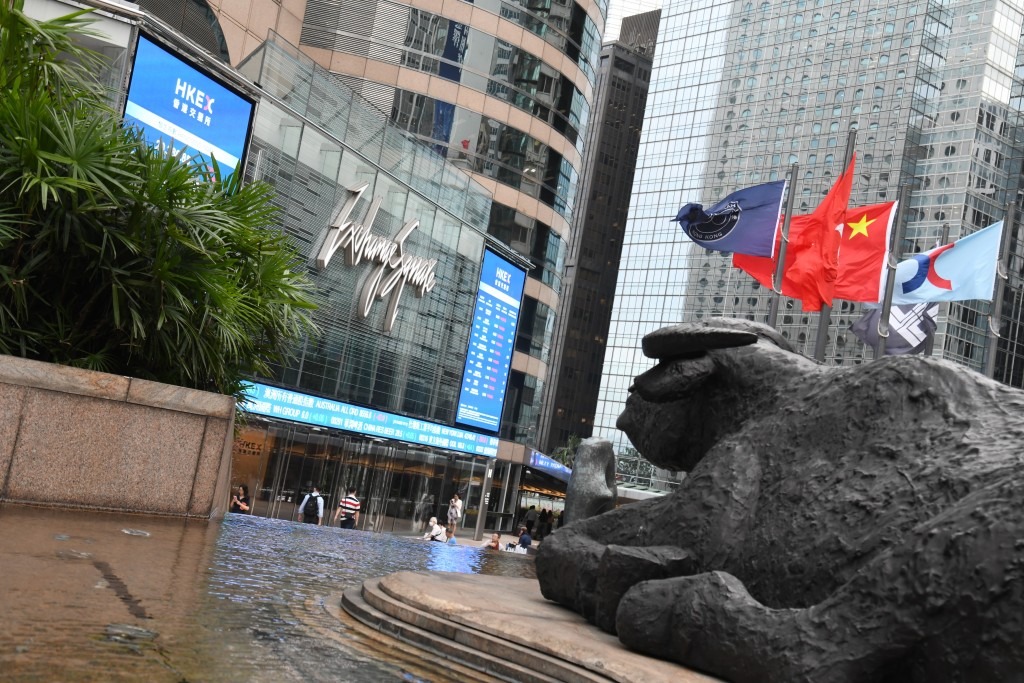
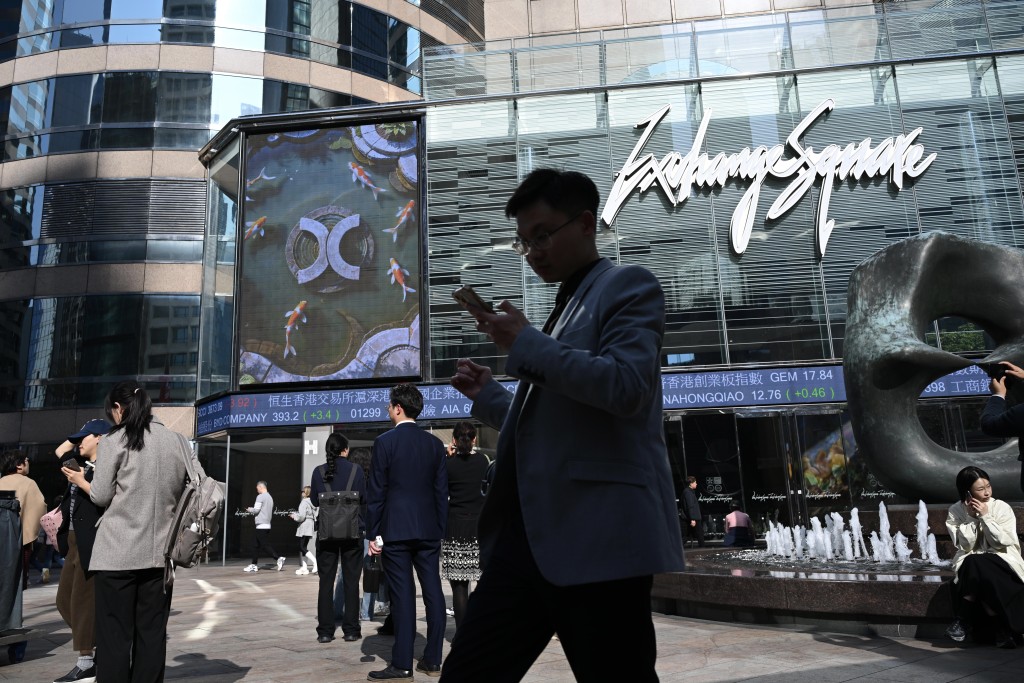
Hong Kong shares close shy as early tech and healthcare gainers fall
21-10-2026 16:48 HKT
Hong Kong stocks dip by midday, CATL plunges 10 percent
21-10-2026 12:06 HKT


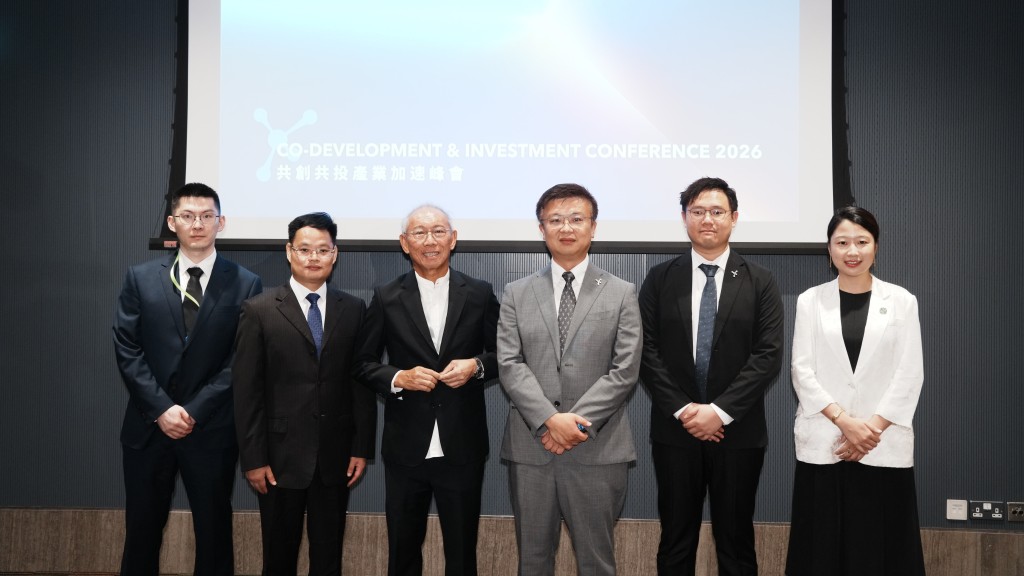
The Hong Kong Science and Technology Parks Corporation on Monday announced the first four investments under its HK$500 million Co-Acceleration Fund, as it opened an inaugural conference aimed at bringing start-ups, investors and industry partners closer together.
The investments were unveiled at the HKSTP Co-Development and Investment Conference, a six-day event spanning Hong Kong, Dongguan and Hangzhou.
The first two days are being held at Hong Kong Science Park, with discussions covering global deep-tech investment trends, overseas expansion strategies and real-world applications for emerging technologies. The program will move to Dongguan on Wednesday and Hangzhou on Friday for industry visits and exchanges with their respective innovation ecosystems.
The four companies receiving the fund’s first investments are e-SENSOR, Fluvius H2, Akerf Robotics and FST Space.
Among them, e-SENSOR is developing self-powered wireless Internet of Things sensor systems, while Fluvius H2 is working on technology that uses biological enzymes to catalyze water electrolysis for zero-carbon green hydrogen production.
The fund operates under HKSTP’s Co-Acceleration Program and currently has nine limited partners, with assets under management of HK$500 million.
It forms part of Hong Kong’s first public-private partnership private fund dedicated to the innovation and technology sector and managed by an HKSTP subsidiary licensed by the Securities and Futures Commission.
Beyond capital, the program is designed to connect technology ventures with the industry expertise, manufacturing capabilities, market access and investment networks of its limited partners.
Financial Secretary Paul Chan Mo-po, speaking at the opening ceremony, said Hong Kong’s strengths as an international financial center, a destination for global talent and a growing innovation hub complemented the Greater Bay Area’s capabilities in advanced manufacturing, commercialization and scaling.
He said the government was continuing to build a financing ecosystem that could support innovative companies at different stages of development.
“We are now, once again, reviewing the listing regime, so that it fits the needs of innovative companies even better,” Chan said.
He noted that reforms to Hong Kong’s listing framework had already opened the market to companies with weighted voting rights structures and specialist technology companies that had yet to turn a profit.
Derek Chim, head of Startup Ecosystem and Development at HKSTP, said the conference aims to connect technology start-ups with corporate partners that have real-world business needs.
By allowing the two sides to co-develop solutions, he said companies can demonstrate actual market demand for their technologies, giving investors more evidence on which to base funding decisions and reducing some of the uncertainty associated with early-stage investment.
Chim said the Co-Acceleration Fund primarily targets start-ups from the pre-Series A to Series A stages, when companies often require not only capital but also substantial strategic and industry support to move toward commercialization.
HKSTP’s broader Co-Acceleration Program focuses on emerging technology areas including artificial intelligence, intelligent connected systems and sustainability. Eligible companies can receive equity investment of up to HK$15.6 million, alongside support for overseas expansion, business connections and investor engagement.
Tony Tung Wo-han, associate director of Co-Acceleration at HKSTP, said HKSTP has also invested in the fund alongside its nine limited partners.
He said nearly 1,000 applications have been reviewed so far, with factors including proprietary technology and concrete commercialization plans taken into consideration.
The fund will continue to select companies for investment, with individual ventures potentially receiving up to about HK$15.6 million.
For start-ups such as Fluvius H2, the support extends beyond financing.
Founder Duan Zehui said her technology-focused team joined HKSTP’s incubation program after establishing itself at Science Park.
Support included subsidies that helped finance four team members with doctorates from British universities, assistance with visa applications and access to existing laboratory facilities that reduced initial setup costs.
The company later secured pre-Series A funding through the Co-Acceleration Program and gained business connections for potential green-energy applications in mainland China, including hydrogen-powered drones and two-wheelers.
The six-day conference runs through September 12. HKSTP said it is bringing together more than 200 frontier start-ups, more than 200 capital-market participants and over 20 industry and technology leaders across Hong Kong, Dongguan and Hangzhou.