
Read More
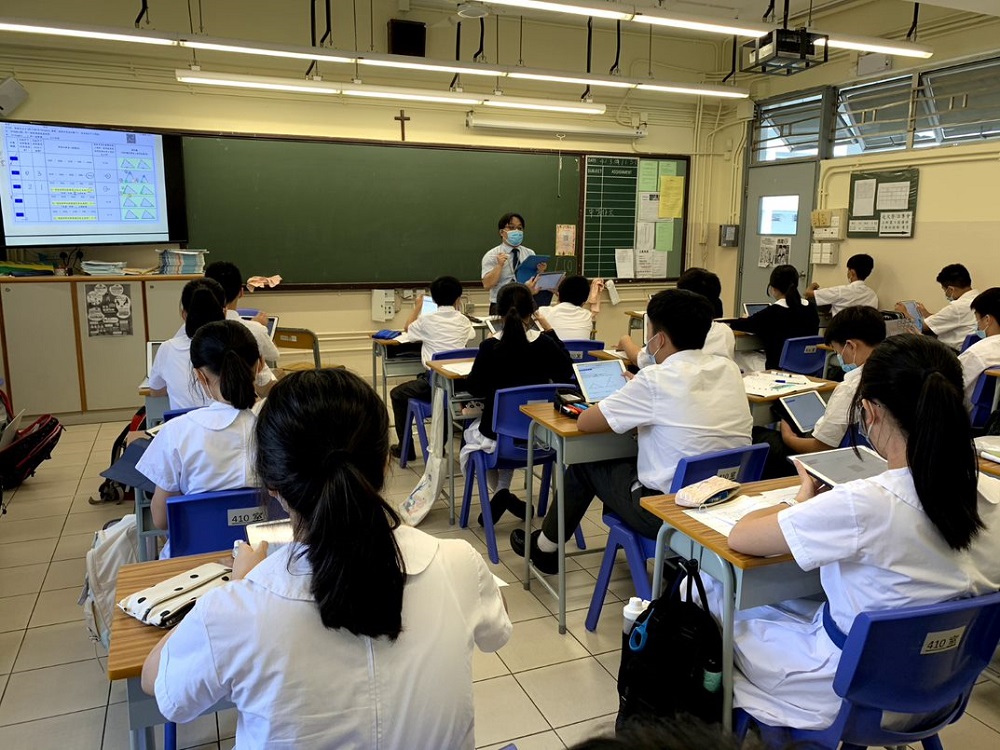
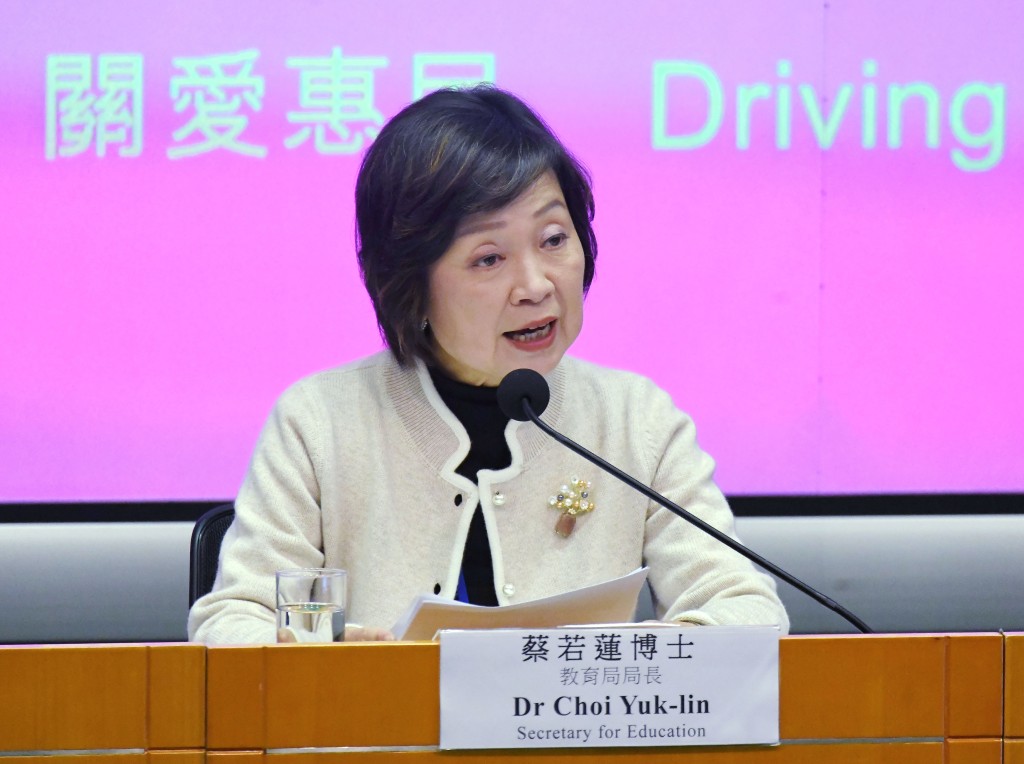
Secondary students will not be overwhelmed by the proposed additions to the senior secondary science curriculum—such as quantum physics and special relativity—as the focus will remain on foundational concepts rather than complex theories, said Secretary for Education Christine Choi Yuk-lin.
ADVERTISEMENT
SCROLL TO CONTINUE WITH CONTENT
Speaking on a television program on Sunday, Choi addressed growing concerns over the Education Bureau’s proposed curriculum reforms for senior secondary biology, chemistry, and physics. The revamp includes introducing topics like gene editing and DNA sequencing into biology, alongside advanced concepts in physics, sparking fears that the material might be too challenging for secondary students.
Choi urged the public "not to be intimidated by the names of the topics," noting that while the subjects sound like university-level material, foundational concepts can be effectively adapted for younger minds. She cited artificial intelligence as an example of a complex topic already being introduced in the lower primary classes, depending on the depth, teaching methods and focus.
Choi explained that the curriculum revamp aims to better connect students’ learning with daily life, noting that contemporary technologies such as GPS navigation are closely tied to these theories.
She emphasized that the goal is to build basic awareness and conceptual understanding rather than requiring students to master complex theories, giving them a helpful head start when they pursue these subjects in university.
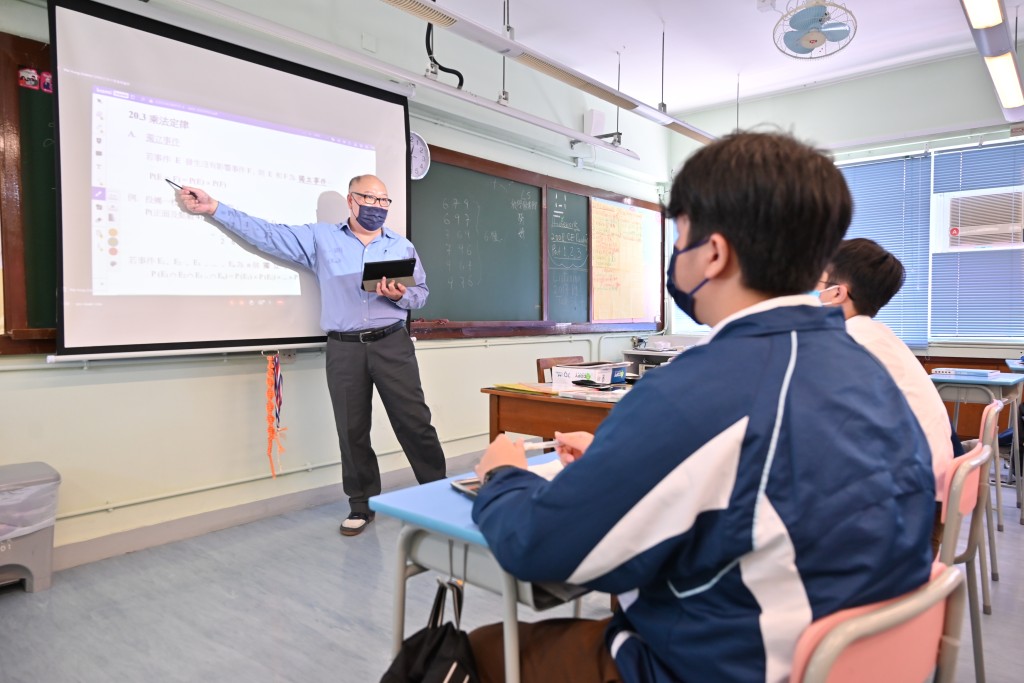

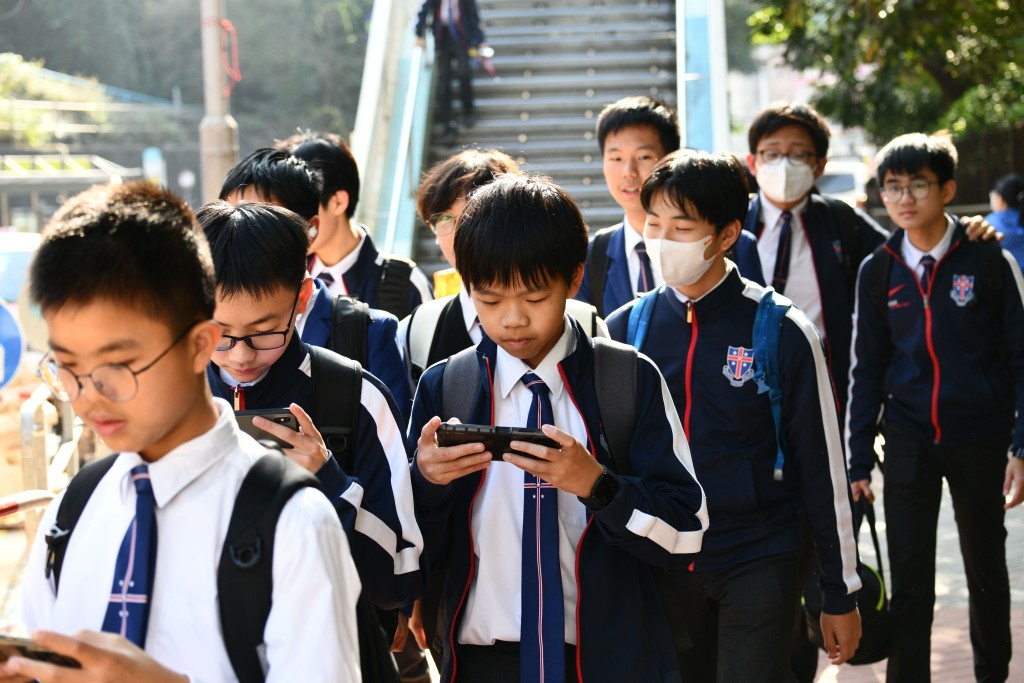
Meanwhile, the Education Bureau is actively promoting digital education and AI applications. It has released the Blueprint for Digital Education Development in Primary and Secondary Schools and provided a HK$500,000 grant to each school to integrate digital learning into their annual development plans.
The initiative aims to encourage cross-disciplinary and school-wide participation ahead of a pilot digital education inspection scheme next academic year.
Choi said the bureau is working with HKEdCity to develop a dedicated Large Language Model platform, starting with science education as a pilot. The platform will assist teachers with lesson preparation, assessment design and classroom instruction, with plans to expand to other subjects in the future.