Read More


Night Recap - October 22, 2026
9 hours ago


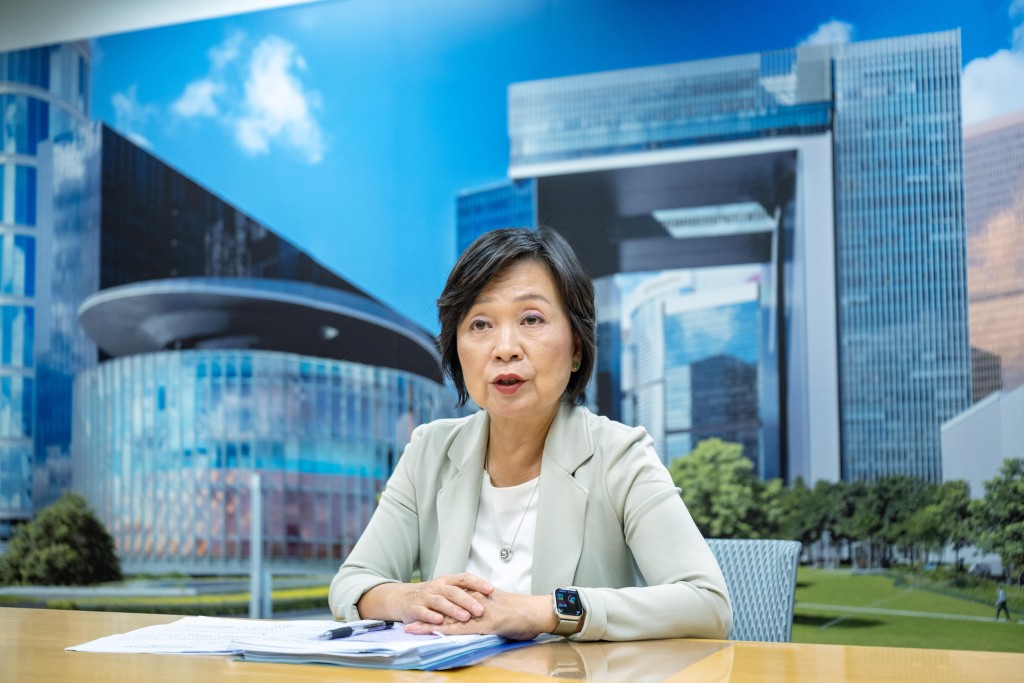
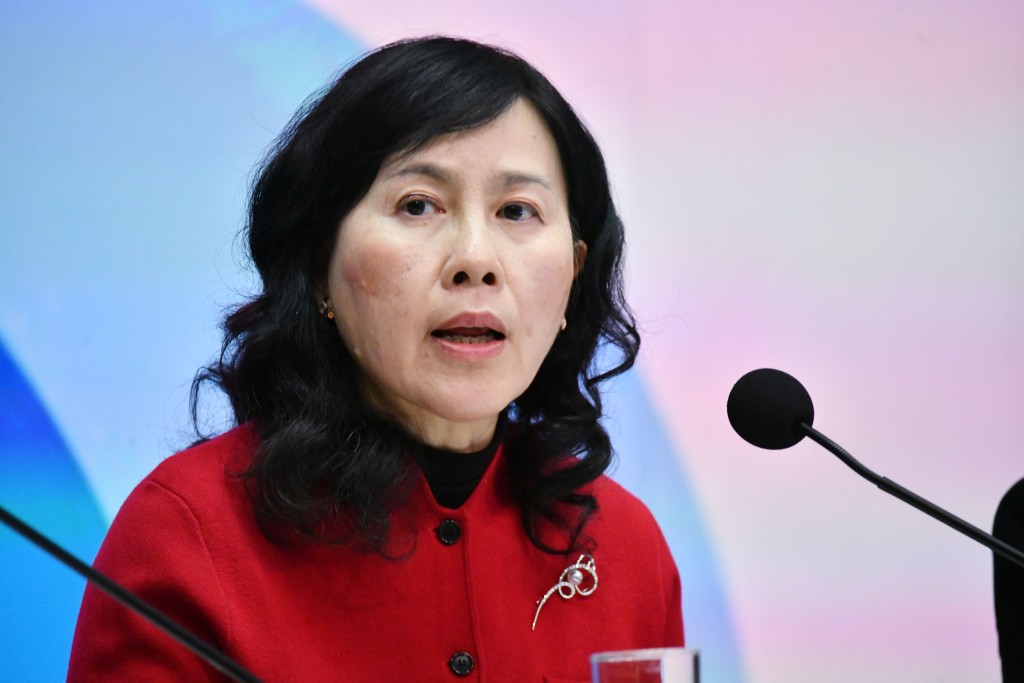
Three plots of land totaling 22 hectares in Hung Shui Kiu will be released simultaneously next month for post-secondary institutions to apply for, Secretary for Education Christine Choi Yuk-lin announced on Saturday.
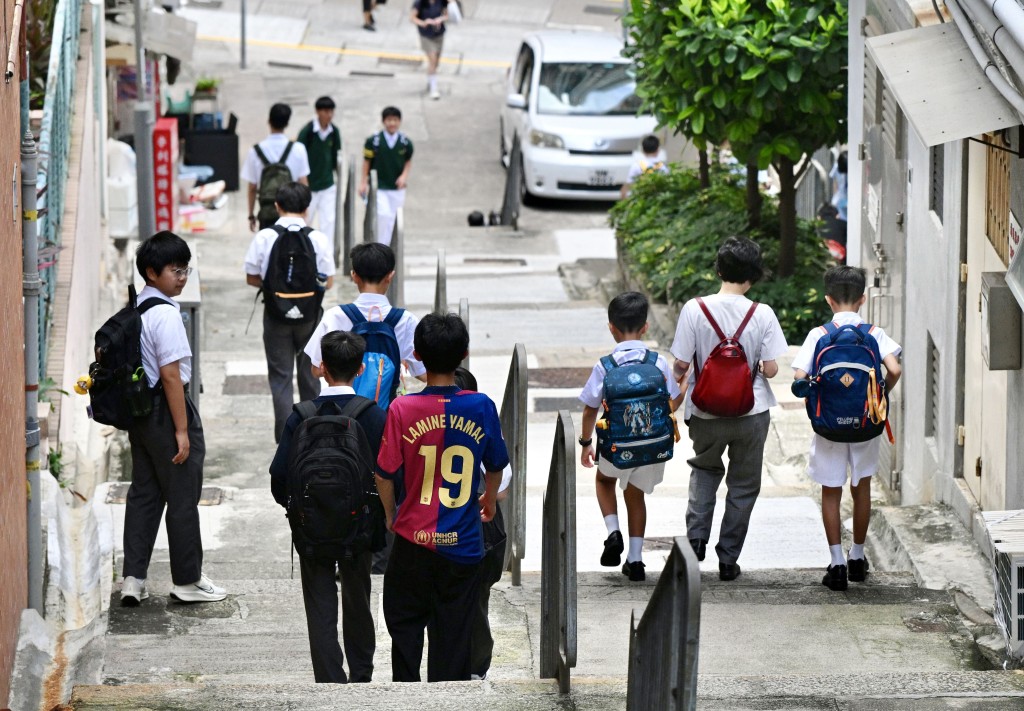
Speaking on a radio program ahead of the school term starting on Monday, Choi also reminded students to prepare early for traffic and weather conditions while urging schools to exercise discretion and flexibility for pupils who arrive late due to adverse weather or transit disruptions.

The Education Bureau chief outlined three major development principles for the university town in the Northern Metropolis, which has seen its planned footprint expanded.
The government will impose no upper or lower limits on the number of institutions admitted, welcoming single-university developments as well as joint bids by multiple schools.
Tender evaluations will prioritize whether proposals align with the broader economic development of the Northern Metropolis and the Greater Bay Area.
Beyond universities of applied sciences, the authorities are encouraging traditional comprehensive universities specializing in high-end intelligent manufacturing and interdisciplinary technologies to establish anchor presences.
Drawing on international models, the sharing of research laboratories and shared facilities among institutions will be a favorable evaluation criterion.
The government previously received 19 expressions of interest from local institutions during an earlier consultation for a 60-hectare site. Choi noted that strong interest from mainland and overseas universities during recent delegation visits is expected to expand participation further.
An HK$10 billion government loan earmarked in the budget will serve as seed capital for the initial Hung Shui Kiu phase, though institutions are encouraged to utilize their own reserves, private donations, self-financing models, joint degree programs, or shared laboratories.
Further loan allocations will be assessed dynamically based on development progress.
Additionally, a "strategic reserve" approach will be applied to the wider 300-hectare core campus area, leaving room for emerging technologies and future educational needs rather than locking in rigid zoning too early.
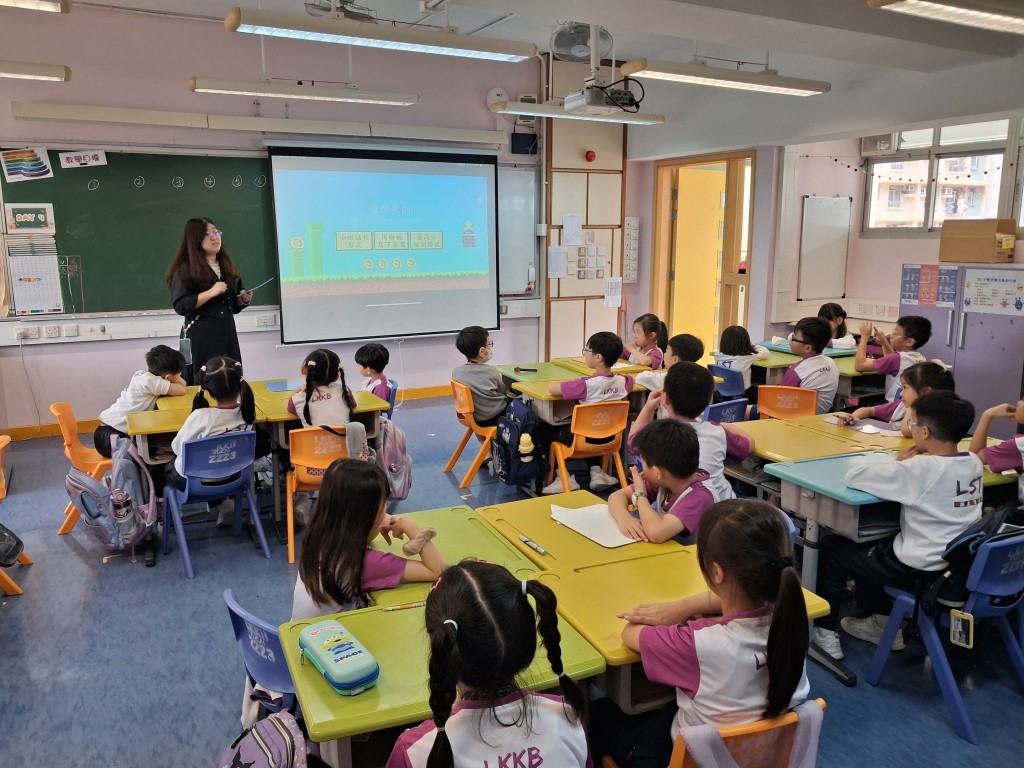
Addressing concerns over the job market for prospective educators, Choi stated that 90 percent of education degree graduates have already secured teaching posts, with fewer than 1 percent still seeking employment.
The bureau reviews teacher training quotas with universities every three years to maintain supply and demand stability.
Regarding proposals from secondary school headmasters to lower Secondary One class sizes to 25 students, Choi remarked that under-enrolled schools need only recruit 26 pupils to operate two classes, averaging about 13 students per class.
She cautioned that excessive class reductions would hinder senior secondary elective offerings and pupils' social development.
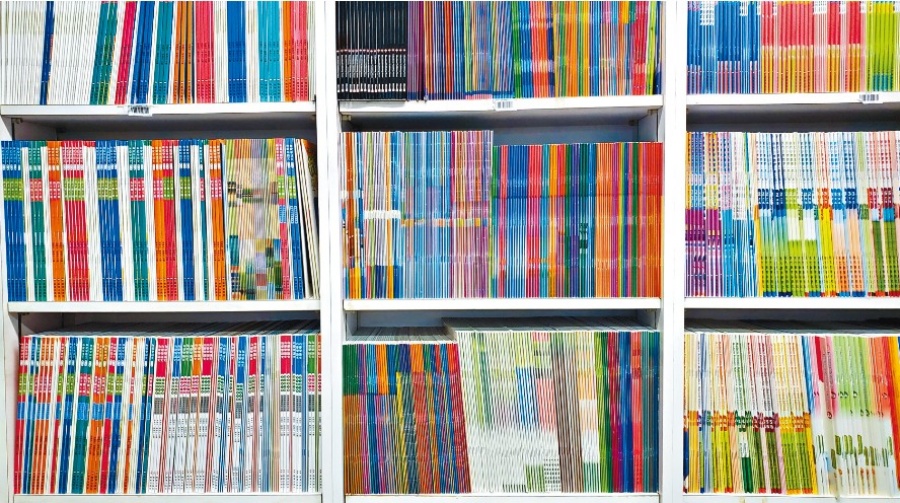
With average textbook prices rising 3.6 percent for the 2026/27 school year, Choi noted that the authorities are paying close attention to educational expenses.
While textbook assistance is available for low-income families, official reviews of costly reading lists revealed that essential books still cost around HK$4,000 to HK$5,000 even after excluding optional reference materials.
The bureau is maintaining close contact with publishers to discourage excessive, high-cost printing formats in favor of cost-effective, high-quality production while continuing to push for the unbundled pricing of physical books and digital editions.
The government may also introduce more supplementary teaching resources in the future to ease financial burdens on families.
Following the expansion of non-local undergraduate admission caps to 40 percent at the eight publicly funded universities, institutions are progressively taking in students, with the average intake currently standing above 30 percent.
Choi noted that the government does not rule out raising the non-local quota further once campus accommodation, teaching infrastructure, and new space in the Northern Metropolis are fully expanded.
At the primary and secondary levels, 48 Direct Subsidy Scheme (DSS) schools will pilot increased admissions of non-local students starting next month. Current DSS boarding capacity exceeds 1,700 places, which significantly outstrips immediate demand.
The bureau is assisting the DSS Schools Council in drafting a code of practice for private student hostels, with official guidelines or licensing frameworks under consideration if non-local enrollments grow substantially.
Proposals regarding guardian visas for accompanying parents will continue to be studied alongside broader immigration and population policies.