Read More


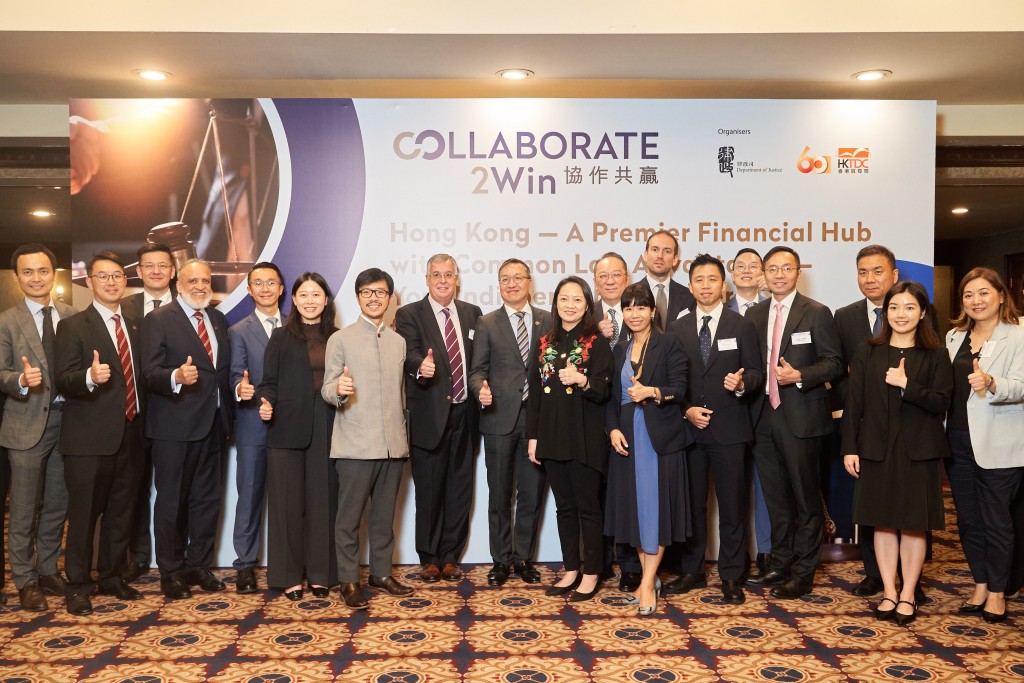





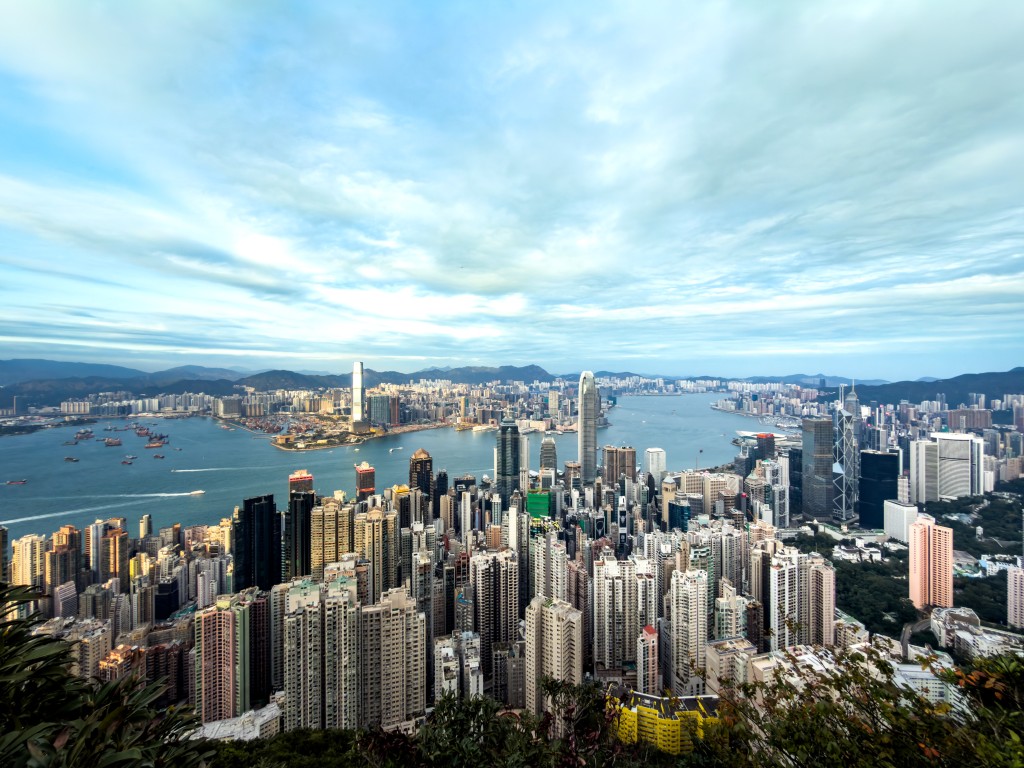
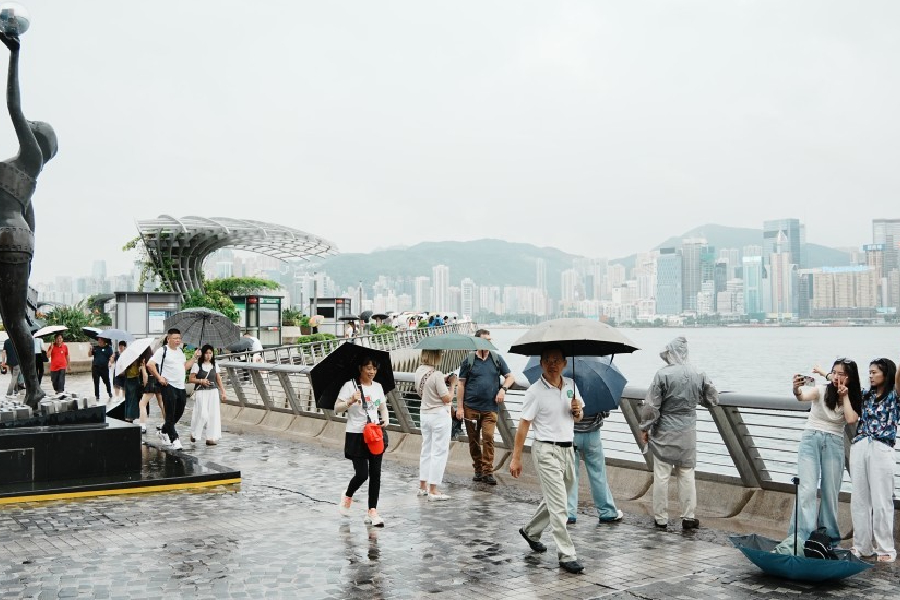
Hong Kong has successfully retained its position as Asia's most international city in the latest Asia Internationalization Index released by the Hong Kong General Chamber of Commerce and Ipsos.
Scoring 74.6 points, Hong Kong secured the top spot among 11 evaluated Asian cities, while Singapore followed in second place with 72.6 points.
The scoring gap between the two regional rivals widened significantly from 0.2 points last year to 2 points this year, highlighting Hong Kong's strong international competitiveness and economic resilience across multiple core domains.
Hong Kong's lead extends beyond its traditional strengths in global finance. The city secured the top rank in the business and economy sector, where its financial market score reached 82 points, outperforming Singapore's 61 points by a margin of 21 points.
This financial momentum was fueled by a notable 188 percent increase in Hong Kong's initial public offering funds raised over the past year, reclaiming the top global rank and underscoring global investors' continued confidence in the market.
In terms of quality of life, Hong Kong scored 74.6 points compared to Singapore's 66.3 points, recording an 8.3-point lead.
The index highlighted several factors contributing to Hong Kong's high living standards, including a 47 percent urban green space coverage, more than 70 Michelin-starred restaurants, and the lowest traffic congestion levels among all 11 surveyed Asian cities.
Hong Kong advanced from fourth to third place in the innovation and technology category, surpassing Singapore for the first time.
The data indicated that Hong Kong recorded over 14,000 international research talent movements within a single year, marking a twofold increase from the previous year and ranking highest among all 11 cities.
The index results reflect the tangible impact of recent policy measures aimed at attracting global talent, increasing technology investments, promoting a mega-events economy, and advancing key regional development projects such as the Northern Metropolis and the Loop area.