
Read More
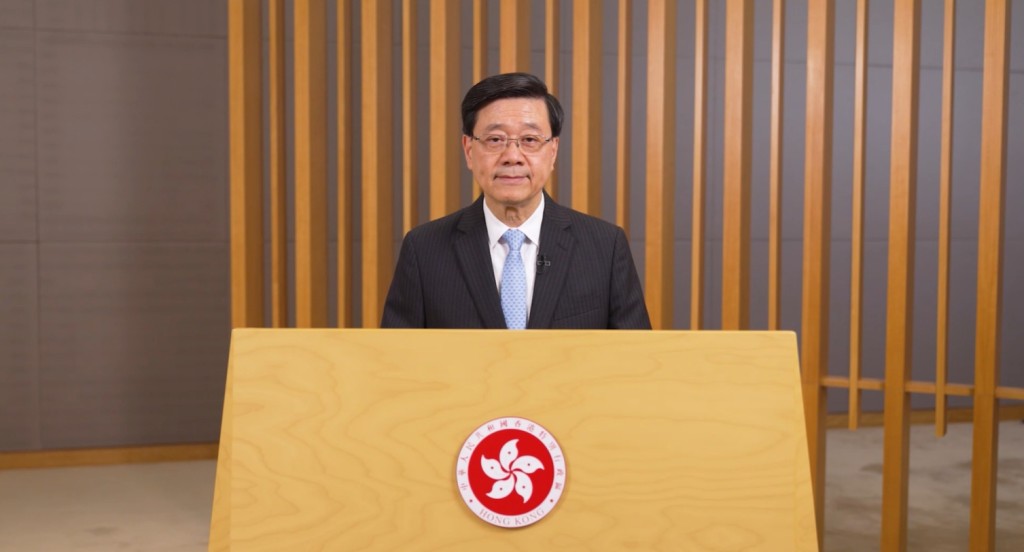
The Federation of Hong Kong Industries (FHKI) submitted more than 300 recommendations to Chief Executive John Lee on Friday, ahead of the 2026 Policy Address, urging the government to adopt a decisive industry-led approach to drive economic transformation and high-quality development.
ADVERTISEMENT
SCROLL TO CONTINUE WITH CONTENT
Titled "Strengthening Industry-led Development, Injecting New Impetus into the Economy and Shaping a New Landscape for Hong Kong’s High-quality Development," the submission outlines proposals across five key pillars: accelerating the Northern Metropolis, advancing new industrialization and innovation, tapping emerging global markets, cultivating new growth sectors, and strengthening enterprise support.
FHKI Chairman Anthony Lam Sai-ho expressed strong support for the government's decision to announce Hong Kong’s first five-year plan in tandem with the Policy Address. He noted that the coordinated release provides the community with clear visibility on both long-term strategic directions and immediate annual priorities, creating valuable opportunities to upgrade local industry. Lam emphasized that Hong Kong must leverage its strengths in scientific research, professional services, and international networks to convert institutional advantages into tangible economic outcomes.
Accelerating Northern Metropolis delivery and artificial intelligence adoption
To speed up the realization of the Northern Metropolis as an innovation and technology powerhouse, the federation recommended completing relevant primary and subsidiary legislation as quickly as possible. The group proposed shortening project lead times through flexible land-use planning, cross-departmental coordination mechanisms, and streamlined approval processes.
To attract major enterprises, the federation suggested offering competitive leasing terms, tax concessions, electricity subsidies, and dedicated funding, while ensuring suitable industrial space and one-stop operational support remain accessible to local small and medium enterprises (SMEs).
On technological advancement, the FHKI called on authorities to formulate a comprehensive top-level blueprint for artificial intelligence development, supported by the introduction of AI and computing power vouchers.
The federation also recommended establishing a standardized definition for modern industry, enhancing research commercialization funding, and creating a tolerance-for-failure mechanism to encourage public sector procurement and trial runs of locally developed innovations.
Expanding global reach and establishing a regional commodities hub
Addressing global supply chain restructuring, the federation proposed establishing internationally recognized "Hong Kong Standards" and "Hong Kong Certification" programs.
These initiatives aim to serve as a quality guarantee to help local and mainland enterprises expand into markets across the Greater Bay Area, the Association of Southeast Asian Nations (ASEAN), the Middle East, and Belt and Road regions.
To unlock new growth drivers aligned with the national 15th Five-Year Plan, the FHKI suggested setting up a dedicated government department for commodities alongside a commodities industrial park in the Northern Metropolis.
This ecosystem would integrate physical delivery, warehouse receipt financing, green metals standards, and trading platforms denominated in both renminbi and US dollars.
Additional recommendations included improving financing mechanisms for intellectual property, promoting gerontechnology to tap into the silver economy, developing the low-altitude economy, and abolishing the excise duty on spirits to stimulate high-end trade and tourism retail.
Targeted relief and talent development for small businesses
To support SMEs facing economic pressures, the federation urged the government to lower operational costs by waiving or reducing business registration fees, licensing charges, and related administrative levies.
The submission also recommended broadening the geographical coverage and funding scope of the Dedicated Fund on Branding, Upgrading and Domestic Sales (BUD Fund), while enhancing export credit insurance and trade financing options.
On human capital, the FHKI advised aligning vocational training, applied sciences programs, and on-the-job training directly with the needs of priority industries, with a particular focus on upskilling workers in AI applications and digital transformation.
The federation added that local talent nurturing must be paired with enhanced overseas and mainland recruitment initiatives to ensure a steady labor supply for the city's emerging industries.