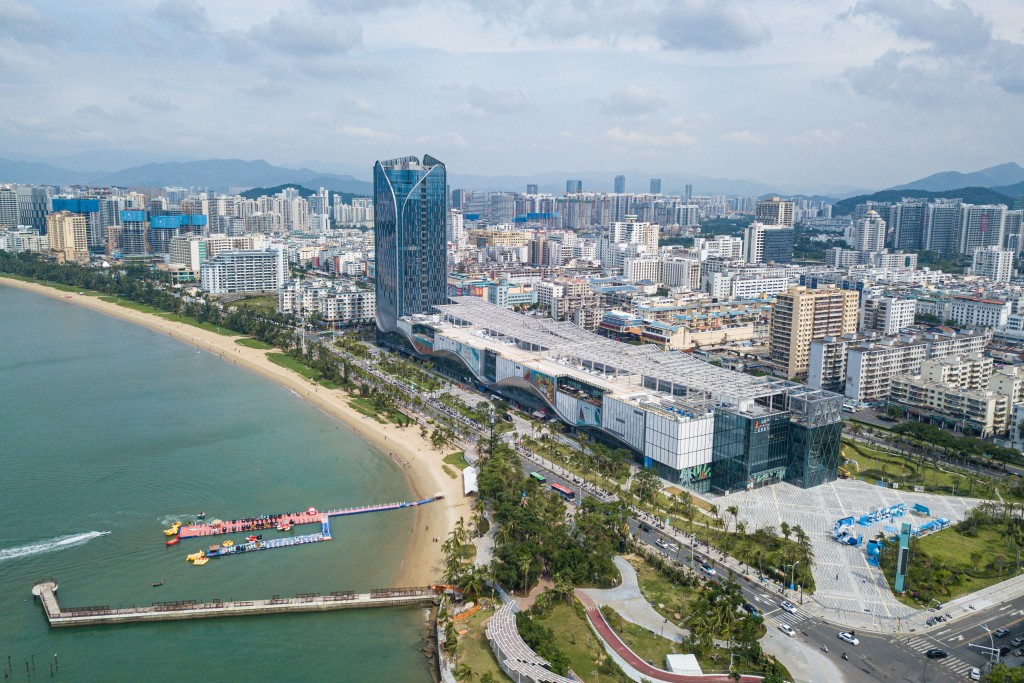
Hainan’s commercial space firms are seeking deeper ties with Hong Kong, eyeing its rich research capabilities to accelerate their industrial push into orbit.
The push comes amid booming aerospace development in Wenchang, Hainan, where the Hainan Commercial Space Launch Site has logged 21 missions since its debut two years ago.
With two launch pads already in operation, the site announced that two additional pads are under construction and scheduled for completion by the end of next month.
The expansion will give the site four pads in total, which is expected to enable 60 to 70 launches annually.
Xu Xikai, deputy director of development planning at the site, said Hainan's sea access gives it an edge over inland sites in Jiuquan and Xichang, where overland transport poses a higher risk of rocket damage.
Citing Hong Kong’s research strengths, Xu expressed hope for collaboration, with Hong Kong handling research and development and Hainan managing testing and launches.
Enhanced partnership in satellite technology
Beyond rocket launches, satellite technology is also drawing Hong Kong participation in Hainan's space industrial cluster.
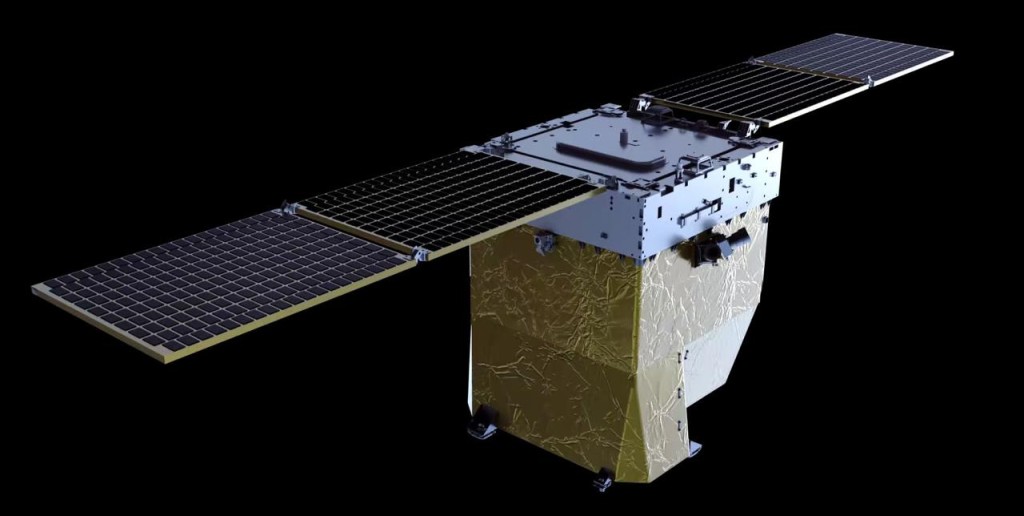
Among them is the multispectral optical satellite "HKUST-FYBB#1", which was developed and launched through a collaboration between the Hong Kong University of Science and Technology and Chang Guang Satellite in 2023.
Now three years in orbit, it provides 0.5-meter spatial resolution, supporting the collection of electromagnetic radiation data and landslide simulations.
The company said the satellite remains in good condition and has accumulated extensive imagery over the Greater Bay Area, enabling rapid post-disaster damage assessment after typhoons and heavy rain.
It called the partnership with the HKUST a “model of deep co-operation among research, academia, and industry” and remains open to more collaboration with the city’s institutions.
Commercial Space seen as necessity, not supplement
Notably, the company also developed China's first commercial remote sensing satellite system, Jilin-1, which was first launched in 2015.
With 161 satellites currently in orbit, the Jilin-1 constellation has emerged as the world's largest sub-meter commercial remote-sensing constellation. It is reported that the company is aiming to deploy 300 satellites by 2030.
The company stressed that commercial space is not an "add-on" to the traditional aerospace industry, but rather essential for China's transition to a market-driven and sustainable sector.