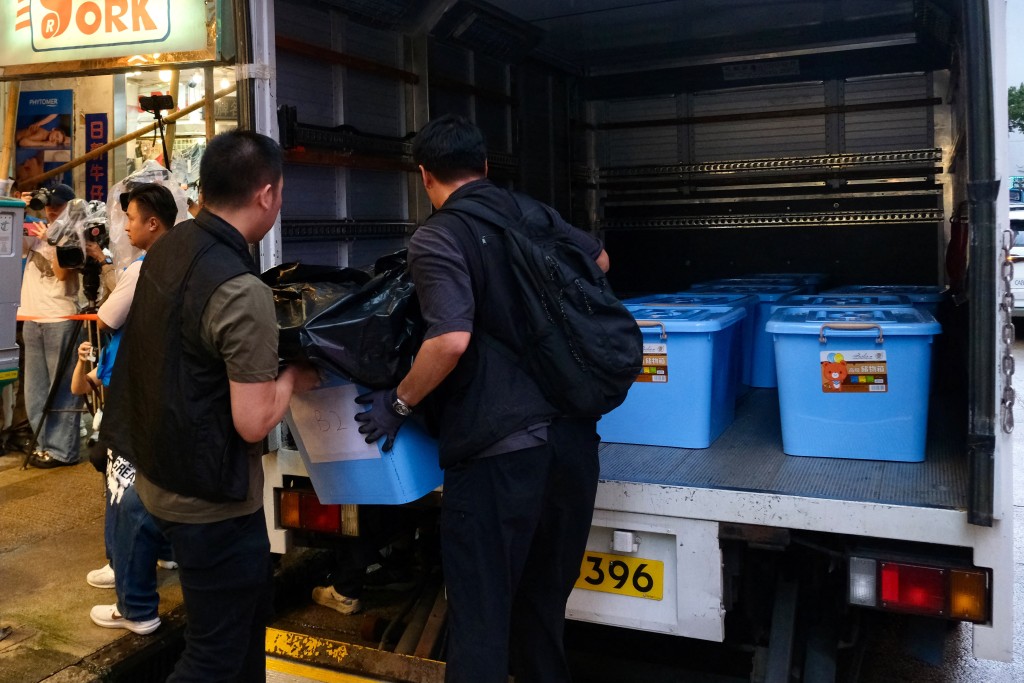
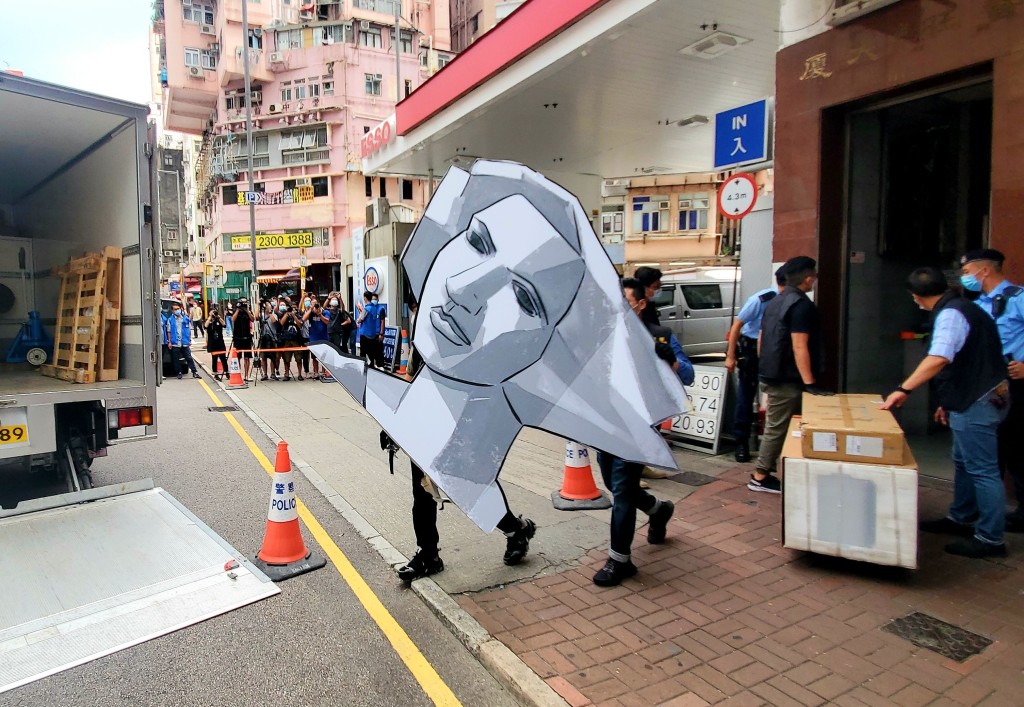
In recent months, the Police National Security Department has successively searched 'Hunter Bookstore,' 'Have A Nice Stay,' and 'Greenfield Bookstore,' arresting multiple individuals involved on suspicion of violating Section 24 of the Safeguarding National Security Ordinance
In recent months, the Police National Security Department has successively searched "Hunter Bookstore," "Have A Nice Stay," and "Greenfield Book Store," arresting multiple individuals involved on suspicion of violating Section 24 of the Safeguarding National Security Ordinance, "doing an act with a seditious intention," and seizing a large number of books with seditious intent.
Voices in the community immediately questioned the government for not publishing a "banned book list," claiming this might leave booksellers at a loss, and even deliberately exaggerated the situation as a destruction of freedom of speech and publication.
Some even argued that bookstore managers could not possibly read every book word for word, attempting to smear the law enforcement actions as an "abuse of power," a "destruction of the spirit of the rule of law," or "unwarranted" charges.
This is an attempt to confuse the public and package freedom of publication as a shield for "soft resistance."
Legal professionals stated that while the Basic Law guarantees freedom of publication, this freedom is not absolute.
Booksellers have a clear responsibility to consciously act as gatekeepers.
If they knowingly sell books involving seditious intent openly, it is a challenge to the legal bottom line and absolutely not an "unintentional mistake."
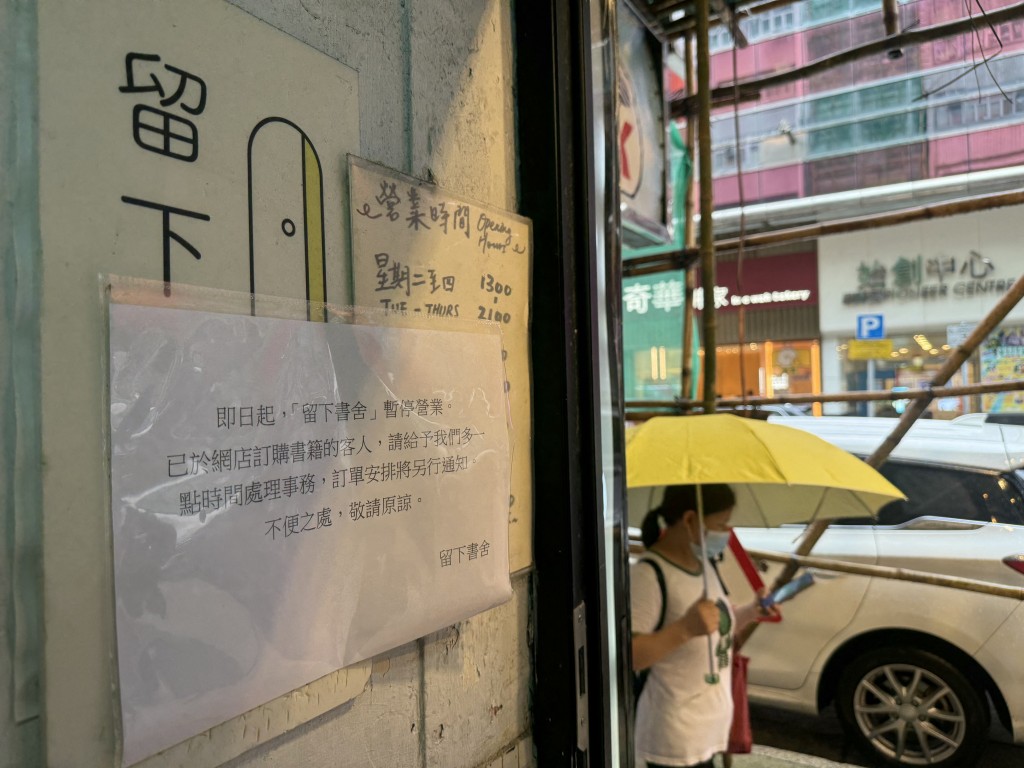
Have A Nice Stay
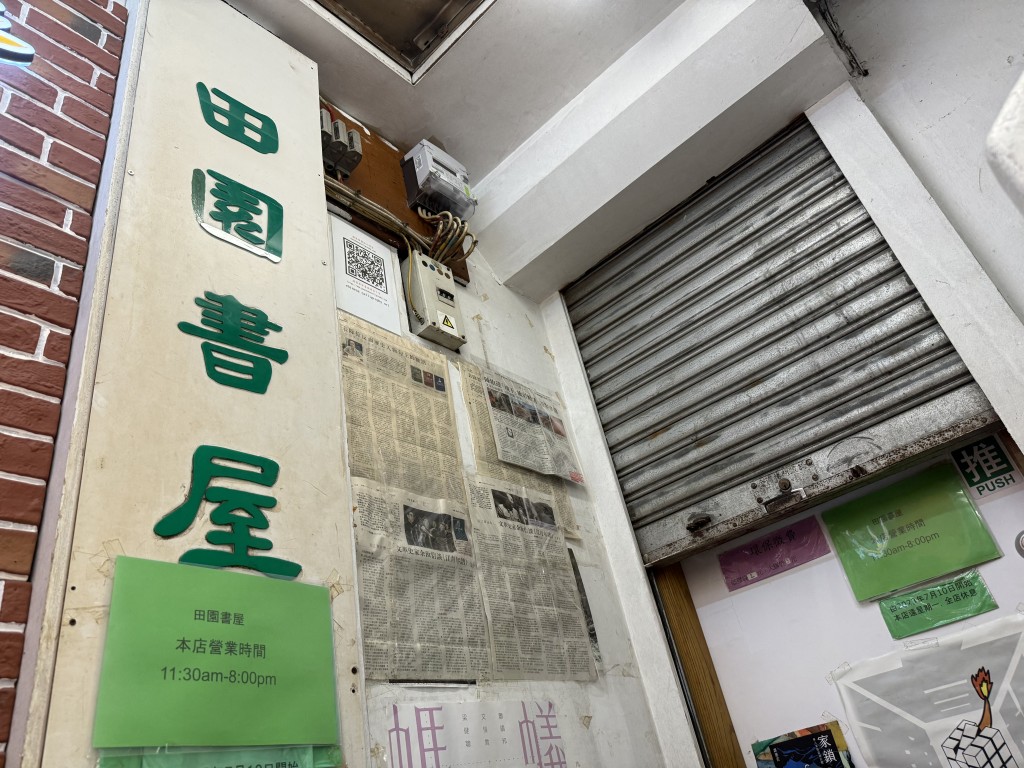
Greenfield Book Store
Regarding the search and arrest operations by the Police National Security Department from late June to mid-July this year against "Hunter Bookstore," "Have A Nice Stay," and "Greenfield Book Store," Choi Chi-sum, general secretary of the Christian group "Society for Truth and Light," even posted online criticizing the government's failure to publish a "banned book list" as an "abuse of power" and a "destruction of the spirit of the rule of law."
He pointed out that bookstore managers "do not have the ability to read every sentence of every book; therefore, it is perfectly normal to sell some books that have not been ruled by the court as violating the law."
Virginia Lee Wing-cheung
Legal expert lawyer Virginia Lee Wing-cheung immediately refuted this, pointing out that such arguments seem to value freedom but ignore the fundamental balance under the common law system.
Freedom of publication, freedom of speech, and freedom of business have never been absolute rights and must be understood in parallel with national security, public order, the rights of others, and social stability.
The publishing and retail industries inherently must bear the responsibility of reasonable vetting.
She further pointed out that the Basic Law guarantees the freedom of speech, of the press, and of publication for Hong Kong residents but at the same time requires Hong Kong to fulfill its responsibility to safeguard national security.
The law does not demand "omniscience and omnipotence," but rather making reasonable judgments based on risk.
If the cover, title, source, promotional slogans, target audience, accompanying activities, or background of the materials already show obvious legal risks, and the operator still chooses to package them as ordinary goods for sale, it would be difficult for them to claim complete innocence afterwards.
Drawing a lesson from the "Sheep Village picture books" case
Looking back at the "Sheep Village picture books" case, anti-China and disrupting-Hong Kong elements deliberately used children's reading materials as a medium to conceal messages of hating the central authorities and inciting rebellion, and even guiding the use of force to resist those in power, severely distorting the values of the next generation.
The involved "The General Union of Hong Kong Speech Therapists" (which has been deregistered) was accused of publishing three children's picture books involving sedition.
Its chairman, vice-chairman, and committee members, totaling five defendants, were jointly charged with conspiracy to print seditious publications.
Ultimately, all were convicted and sentenced to 19 months in prison respectively.
Judge Kwok Wai-kin even bluntly criticized the "Sheep Village picture books" for targeting children as an audience, calling it an outright "brainwashing project."
Luck Win Books, which was previously disqualified from participating in the Book Fair by the Trade Development Council, had publicly sold multiple seditious books.
The bookstore even posted a "no photography" notice, clearly aware that the contents of the books were problematic and fearing that people would capture evidence on camera.
Among these was a book authored by Ngan Shun-kau, who was involved in the Jimmy Lai case for allegedly writing commentaries for Apple Daily advocating sanctions against China.
Packaged as a collection of current affairs commentaries and prose, the book actually openly smeared the central government and even claimed that "One Country, Two Systems is bankrupt."
The incident further confirmed that if freedom of publication is abused, it will degenerate into a tool for political manipulation and even the subversion of social order.
Paul Yip Kwok-wah, former Special Advisor to the Chief Executive and Chairman of the Hong Kong Policy Research Institute, also agreed with the recent law enforcement actions targeting the alleged sale of seditious books.
He pointed out that many 16 or 17-year-old young people have stereotypical impressions of the country. "Their opposition to the Chinese Communist Party and hatred of the central government are the result of the accumulation of incorrect information disseminated by some people in society through education and culture over time, so the most important thing is to tackle the source."
In fact, if the government were to list a banned book list, would materials outside the list automatically be safe?
Secretary for Security Chris Tang Ping-keung
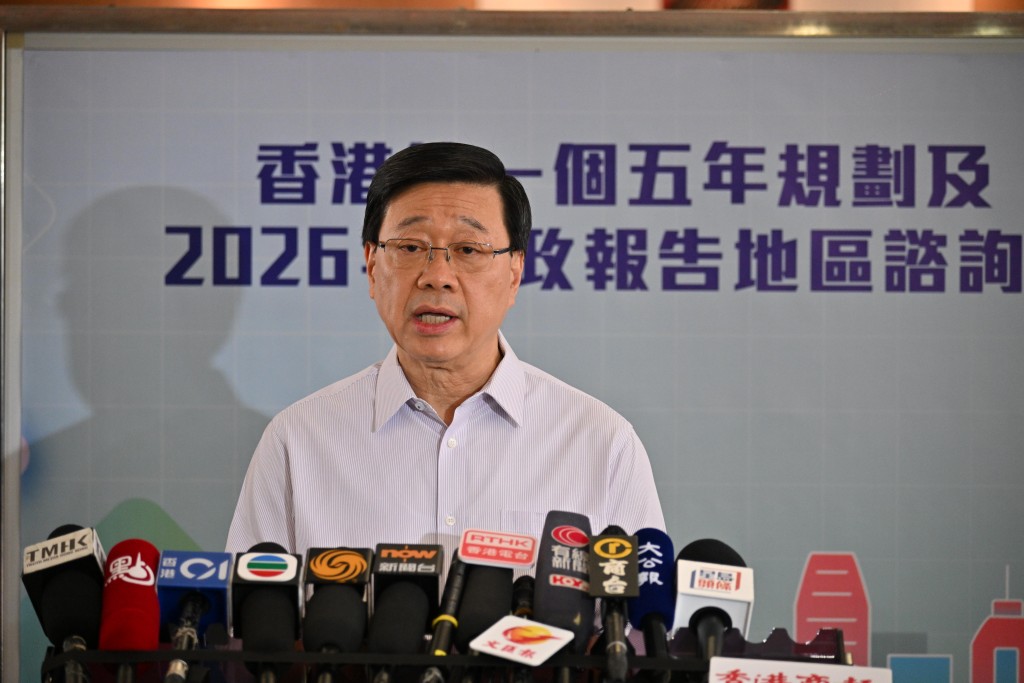
Secretary for Security Chris Tang Ping-keung sternly pointed out that "law enforcement targets the seditious content of the books, not the book titles," and noted that the incident involved displaying or selling books with seditious content in bookstores, emphasizing that the law clearly explains what constitutes seditious intent.
As booksellers, they have the responsibility to ensure the books they sell will not endanger national security, just as restaurants must ensure food safety, "that it will not cause people stomachaches, will not be poison, and will not be illegal."
Some political figures believe that current geopolitical risks remain severe, and the attempts by external forces to "use Hong Kong to contain China" have never ceased.
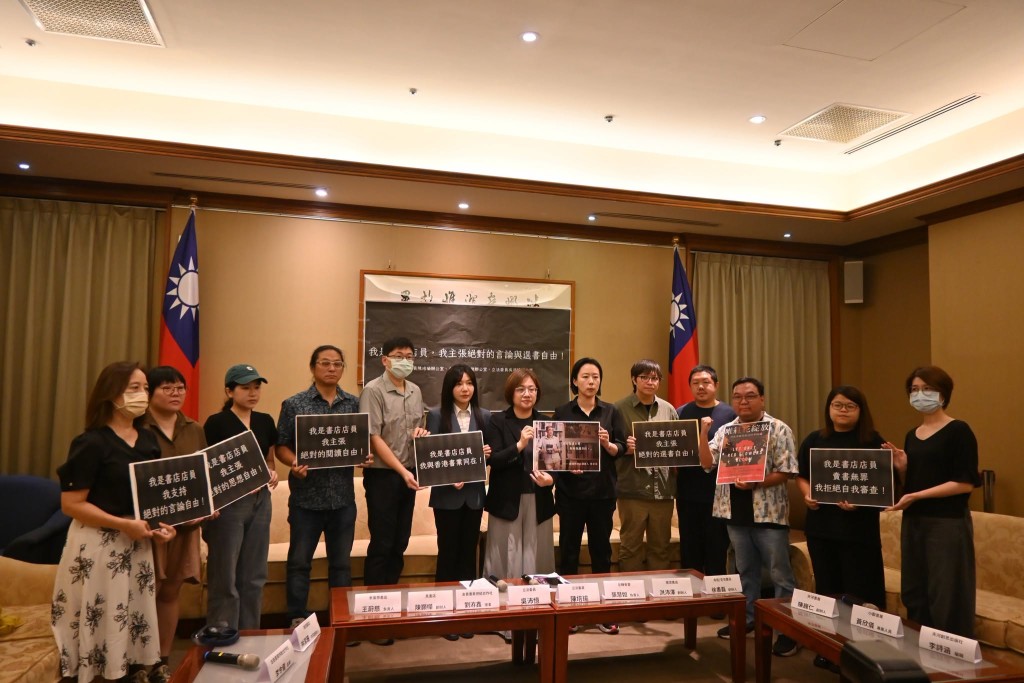
This is evident from the fact that Taiwan independence forces immediately used the Hong Kong law enforcement actions as a pretext to massively stir up anti-China sentiments on the island.
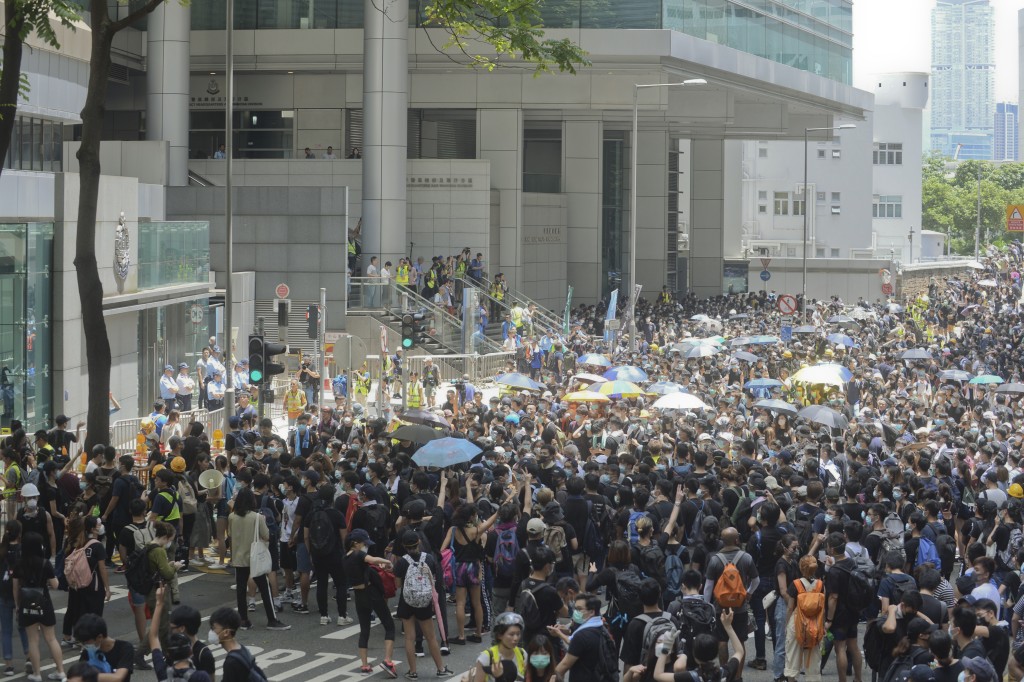
The political drama involved is identical to the "black-clad violence" in 2019, attempting to use the "consumption" of Hong Kong issues to divert the focus of the Taiwanese public in order to cover up the food safety crisis caused by Taiwan's recent "toxic oil" incident as well as the governance failures of the Democratic Progressive Party.
Although the vast majority of booksellers in Hong Kong are law-abiding and operate legitimately, there is still a small number of unscrupulous booksellers with ulterior motives using the guise of "freedom of speech" and "freedom of publication" to challenge the legal bottom line, poisoning the youth and inciting hatred over a long period.
"This small handful of booksellers are well aware that the books they sell clearly contain anti-China and disrupting-Hong Kong messages, yet they still openly put them up for sale. When exposed, they play dumb and pretend to be ignorant, arguing 'unclear about the content' in an attempt to evade legal responsibility," the political figure said.
Freedom of publication is certainly important, but it is absolutely not a shield for illegality.
Only with booksellers strictly gatekeeping, the government enforcing the law according to the law, and citizens maintaining vigilance and prevention, can we jointly build a strong cultural barrier and safeguard Hong Kong.