
Read More
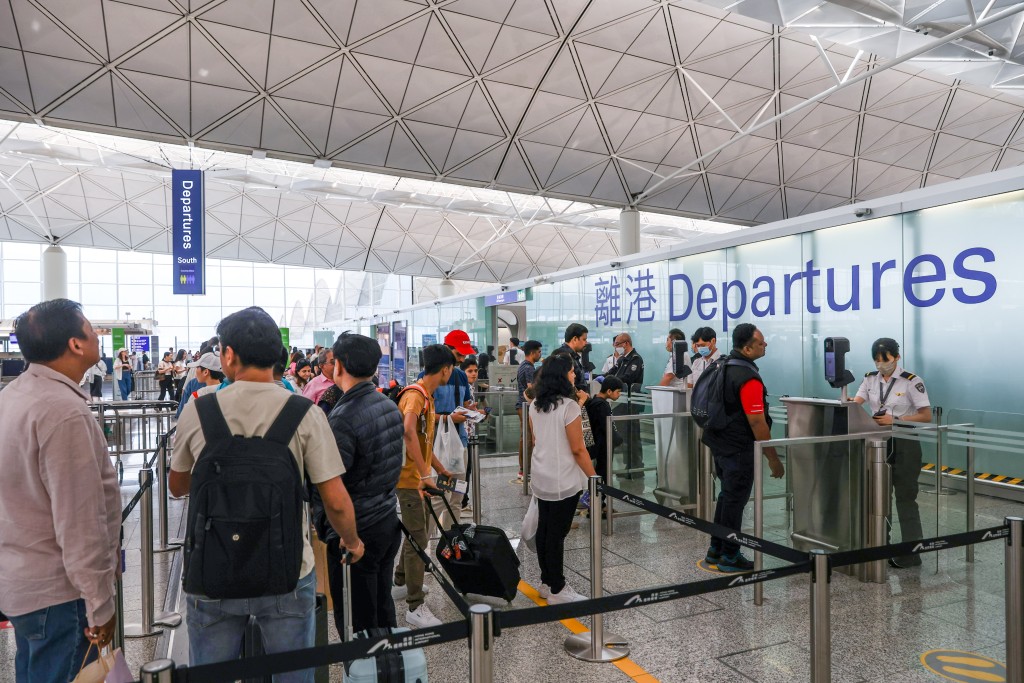
Targeted genomic surveillance of transit passengers at two major aviation hubs could accelerate the global detection of emerging viral variants by about 2.6 to 3.3 days, according to a University of Hong Kong study.
ADVERTISEMENT
SCROLL TO CONTINUE WITH CONTENT
Researchers from HKU’s medical faculty developed a mathematical model using 9.5 million viral genomes, epidemiological records and global air travel patterns to assess more sustainable surveillance strategies for future pandemics.
The study found that strengthening surveillance at highly connected hubs - with substantial traffic from Third World nations - such as Hong Kong and the United Arab Emirates could improve early detection even when diagnostic or sequencing capacity was reduced by more than half.
Speaking on a radio program on Wednesday, Chair Professor of Public Health Virology Leo Poon Lit-man said even a lead time of several days could help laboratories assess whether diagnostic tests required updating, study immune escape and begin developing vaccine prototypes before a variant became widespread.
Although the research focused on SARS-CoV-2 variants, the team is developing further models to examine how similar surveillance strategies could be applied to other emerging infectious diseases.