Read More


Morning Recap - September 16, 2026
7 mins ago






Night Recap - September 15, 2026
9 hours ago



Seven arrested over Kwai Chung illegal gathering
14-09-2026 12:33 HKT
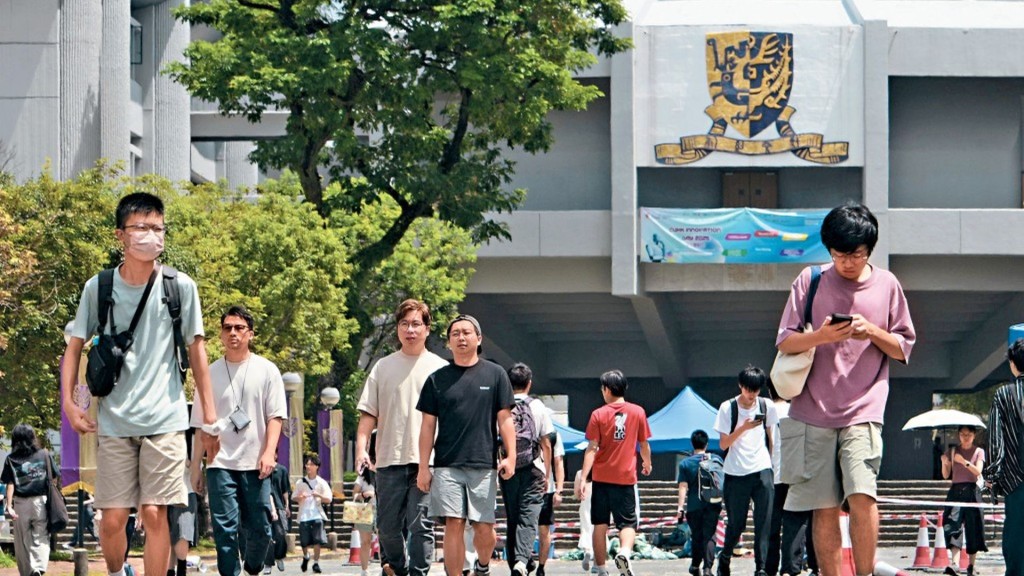
Hong Kong rose to sixth globally for university strengths while retaining 17th place overall in the QS Best Student Cities 2027, though limited hostel places and high costs, including tuition and living expenses, continue to deter international talent.
The ranking by QS Quacquarelli Symonds surveyed and evaluated 150 cities across six categories: university quality, desirability, employer activity, affordability, student mix and diversity, and voice. To qualify, cities must have populations above 250,000 and at least two universities in the QS World University Rankings.
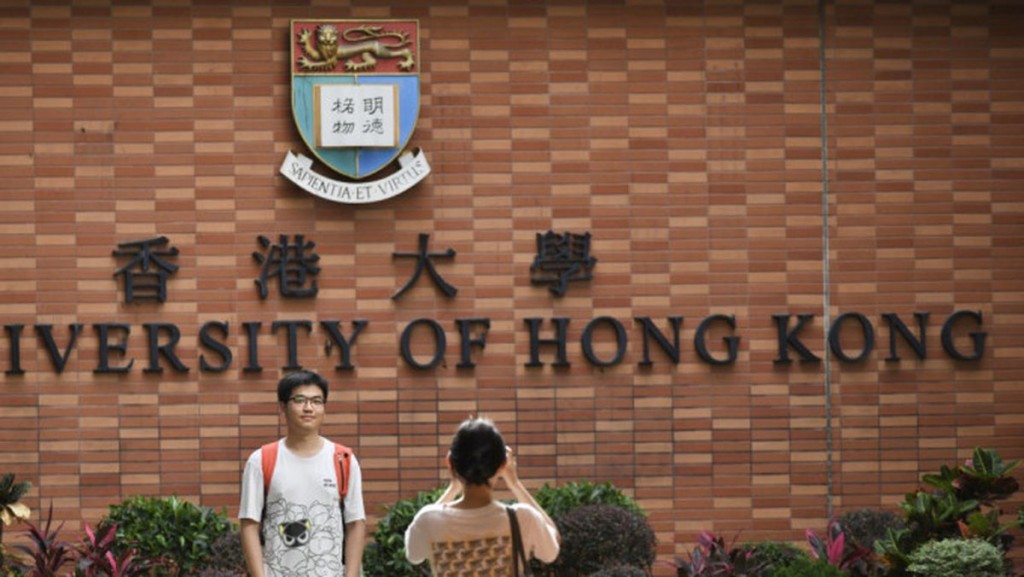
Hong Kong earned an overall score of 87.7, lifting the city ahead of last year’s 88.3, and also stayed ahead of behind Seoul, Tokyo, Beijing, Taipei, and Kyoto.
Hong Kong’s strongest performance came in the University Rankings category, climbing one place to sixth worldwide with a score of 79.1, ahead of Boston, New York, Melbourne, Sydney, and Singapore.
These showings were boosted by the growth of Hong Kong’s institutions in the QS World University Rankings 2027.
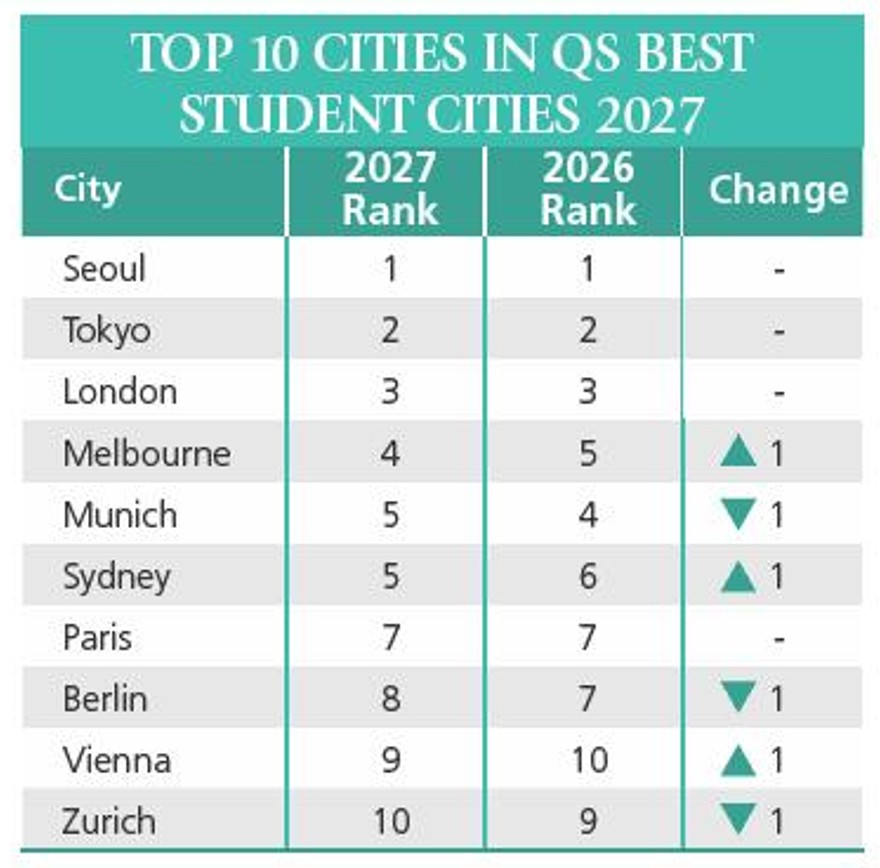
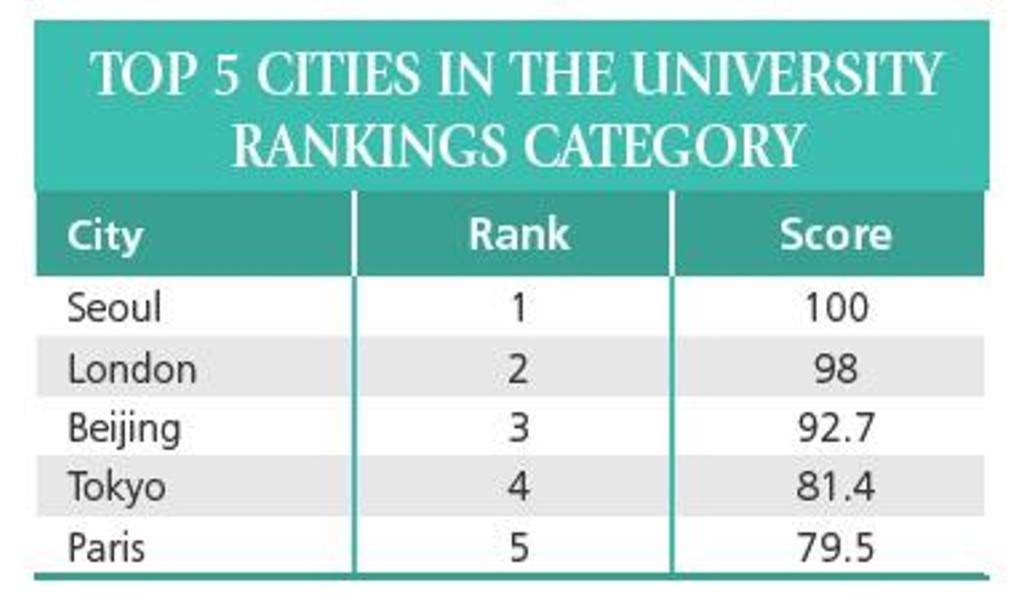
Yet, affordability remains the city’s weakest area, slipping to 88th place for international tuition fees and living costs. QS put Hong Kong’s monthly living expenses at US$1,580 (HK$12,470), annually totaling US$18,960, and more than double Tokyo’s.
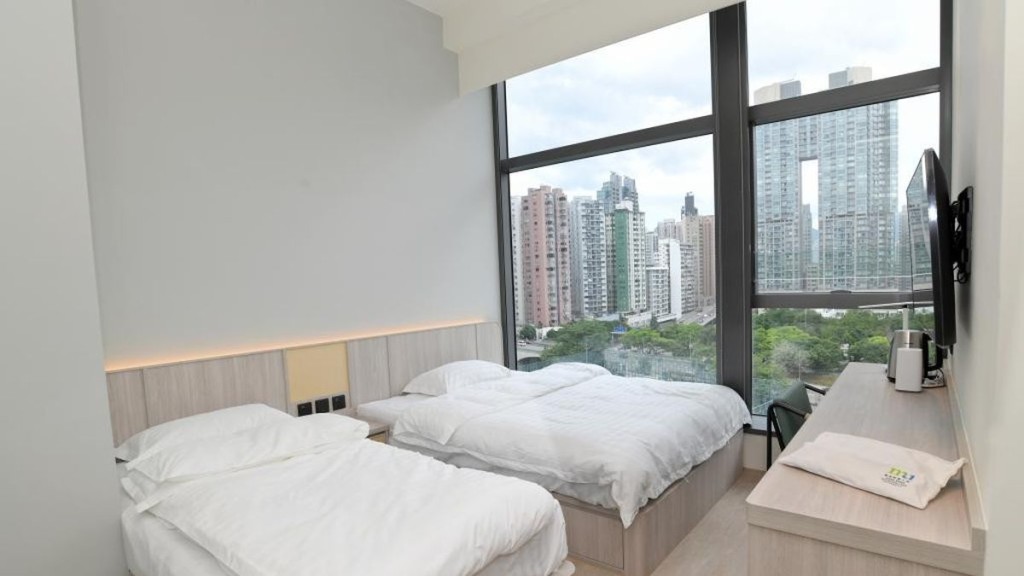
Housing accommodation shortages compound the problem. About 40,000 hostel places for 192,000 full-time undergraduate and postgraduate students are provided, leaving 30,700 full-time undergraduate students in the 2024/25 academic year.
The institution noted that the Hong Kong government’s schemes to convert hotels and commercial buildings into hostels may ease pressure, but supply, cost, and location remain critical.
Hong Kong also saw its largest decline in desirability, falling seven places to 36th, with its score dipping 4.2 points to 74.6, reflecting concerns over safety, health care, pollution, and income levels. The student mix adds another layer of complexity, with Hong Kong ranked 40th for student diversity, down two places in a modest score increase to 79.4.
While institutions performed strongly in internationalization efforts, most non-local students still come from the mainland – 77 percent in 2023/24 – followed by 10 percent from other Asian areas and only 4 percent from the rest of the world.