
Read More


Morning Recap - September 16, 2026
1 hour ago






Night Recap - September 15, 2026
10 hours ago



Seven arrested over Kwai Chung illegal gathering
14-09-2026 12:33 HKT
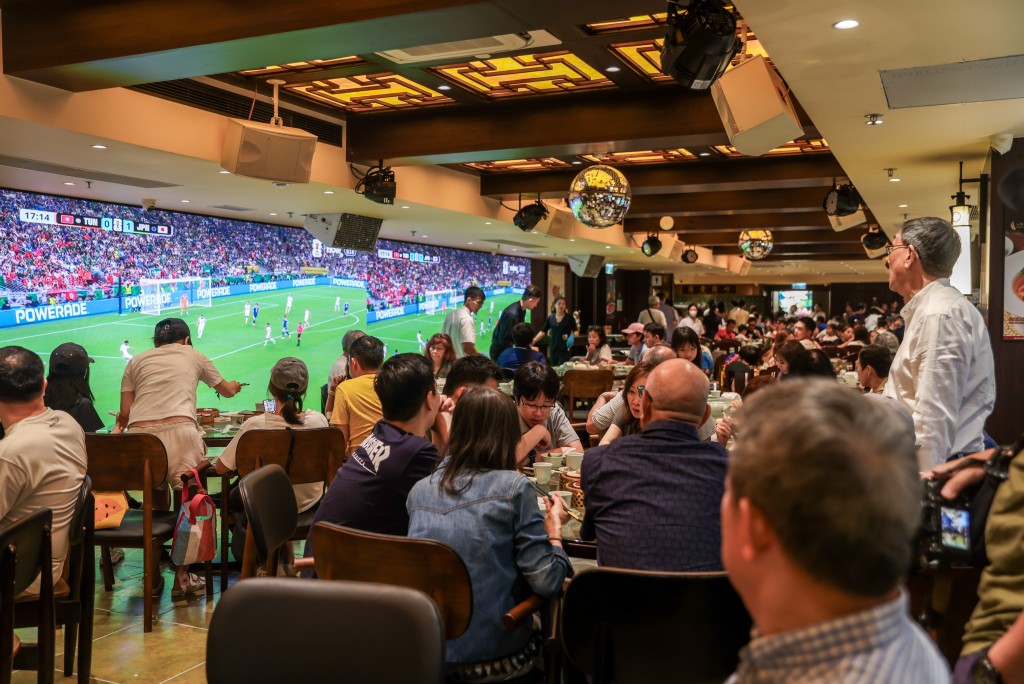
Hong Kong restaurants and bars that screened World Cup matches recorded an average 6 percent increase in business during the tournament, while eateries without broadcasts saw revenue decline, according to an industry representative.
The 2026 World Cup concluded in the early hours of Monday after weeks of matches shown at shopping malls, restaurants, bars and even traditional Chinese restaurants across the city.
Edward Leung Hei, chairman of the Hong Kong Feast and Retreat Association and a former lawmaker, said the tournament’s time difference with Hong Kong limited its overall benefit to the catering trade, as many residents tend to sleep early.
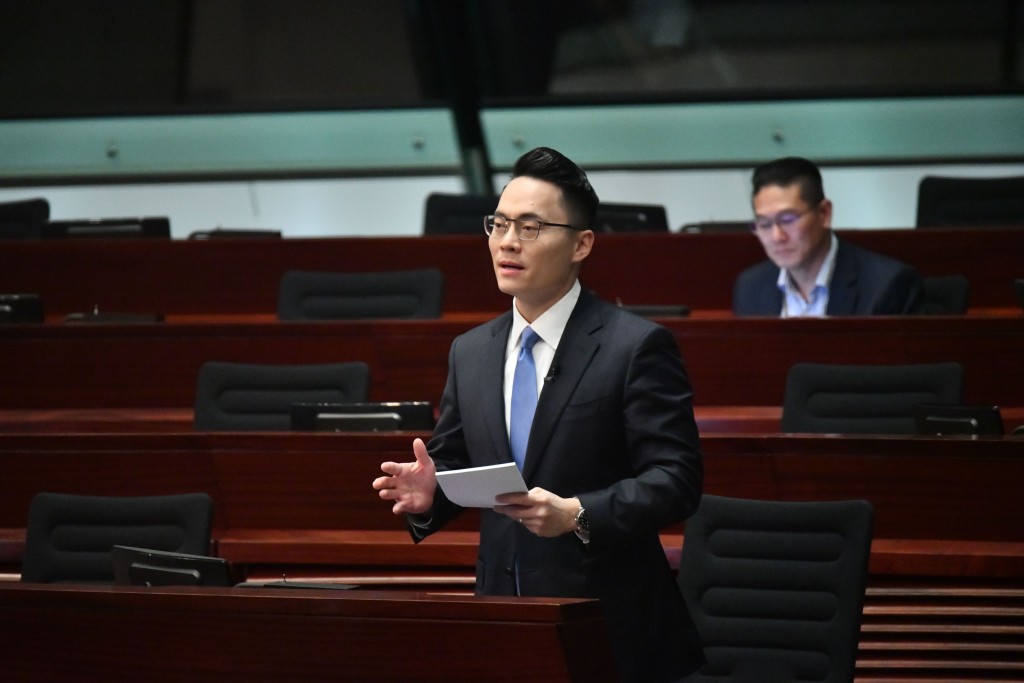
However, the growth recorded by venues screening the matches was broadly in line with industry expectations, he told a radio program on Tuesday.
Leung said public response was relatively subdued during the early stages of the tournament but picked up after the competition entered the round of 16.
The increased significance and entertainment value of the knockout matches, together with the continued participation of teams popular among Hong Kong fans, helped attract more customers.
Weekend knockout matches were also held at more favorable hours than many group-stage fixtures, driving foot traffic to venues showing the games.
More bars and hotels began screening matches during the later stages of the tournament, providing an additional boost to nearby restaurants and other dining establishments, Leung said.
The hotel sector experienced mixed conditions during the period. Successive typhoons led to the suspension of some high-speed rail services and flights from Taiwan, forcing some guests to cancel reservations.
However, hotels also benefited from local football fans who booked rooms to watch overnight matches without disturbing family members or affecting their children’s studies at home.
Leung said the World Cup therefore provided a modest but noticeable lift for businesses that actively catered to football fans, despite the challenges posed by late-night and early-morning kickoffs.