Read More


Morning Recap - September 16, 2026
56 mins ago






Night Recap - September 15, 2026
10 hours ago



Seven arrested over Kwai Chung illegal gathering
14-09-2026 12:33 HKT


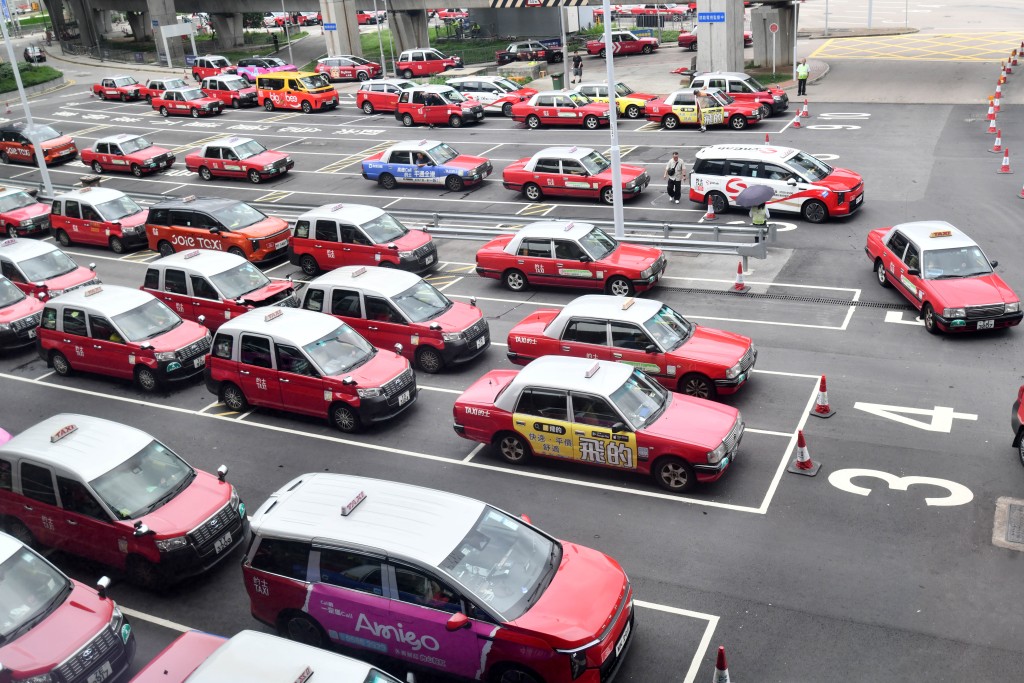
The Hong Kong government is preparing to issue its first batch of legal ride-hailing licenses by late November under a new regulatory framework that will initially cap the market at 10,000 vehicles.
The comprehensive transport update also includes stricter, earlier medical examinations for commercial drivers and expanded bus networks to support the newly upgraded Huanggang Port.
Following the Legislative Council's recent approval of four subsidiary laws governing the ride-hailing sector, the majority of the new regulations will come into effect on August 3.
Secretary for Transport and Logistics Mable Chan indicated that the government expects to invite platform operators to apply for licenses next month, with the goal of distributing the first permits by the end of November.
Addressing widespread concerns that the initial cap of 10,000 permits might be insufficient to meet public demand, transport officials explained that the figure serves as a conservative starting point to balance road capacity and the existing public transport ecosystem.
To ensure the policy remains adaptable, the Transport Department will launch a baseline public demand survey in September and is currently building a smart monitoring system.
Once platforms are operational, they will be required to submit regular data, allowing the government to conduct objective reviews every two to three months and adjust the quota dynamically based on market reality.
To prevent any of the 10,000 slots from going to waste, authorities are establishing a waitlist mechanism so backup candidates can step in if primary applicants withdraw or fail to meet requirements.
Officials also clarified that vehicle owners will likely be responsible for securing their own third-party risk insurance, rather than the platforms providing it.
This approach is intended to eliminate legal gray areas, as drivers will be permitted to operate across multiple ride-hailing applications simultaneously.
In a parallel effort to boost overall road safety, the government is lowering the mandatory medical examination age for commercial vehicle drivers from 70 to 65.
The updated policy is designed to identify potential health risks earlier and aligns Hong Kong with overseas safety standards.
Under the new system, the frequency of required check-ups will progressively increase as drivers age.
Transport authorities are currently collaborating with a medical team from the University of Hong Kong to refine the examination guidelines, specifically to help doctors better detect hidden conditions such as dementia.
The government is also evaluating automated physical examination machines and driving simulators used in mainland China and South Korea to see if they can be adapted for local use.
This technology could introduce more scientific, standardized testing for a driver's vision, hearing, grip strength, and reaction time.
While officials acknowledged the difficulty of mandating fixed prices for these medical exams, they are working with the Health Bureau to explore financial relief options for the city's 126,000 commercial drivers over the age of 65.
Potential solutions being discussed include allowing the use of Elderly Health Care Vouchers and setting up dedicated district testing centers.
Meanwhile, preparations are advancing for the newly redeveloped Huanggang Port. The designated Hong Kong port area will officially activate on July 31, though the exact date for public cross-border travel is still being negotiated with Guangdong authorities.
The upgraded border crossing will feature a highly anticipated collaborative inspection system, allowing travelers to clear both jurisdictions in a single streamlined process.
To accommodate the expected surge in passenger traffic, the government has already tendered four new franchised bus routes connecting the port to strategic areas across the city.
These new lines will supplement the existing network of three franchised routes and five short-haul cross-border buses, ensuring comprehensive connectivity once the facility opens.