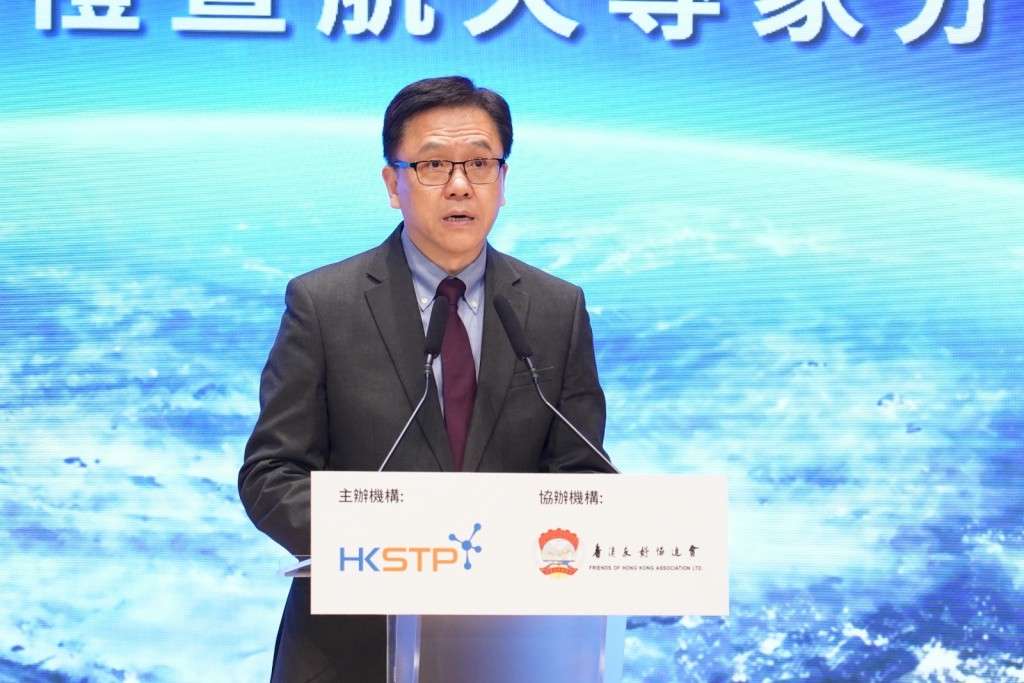
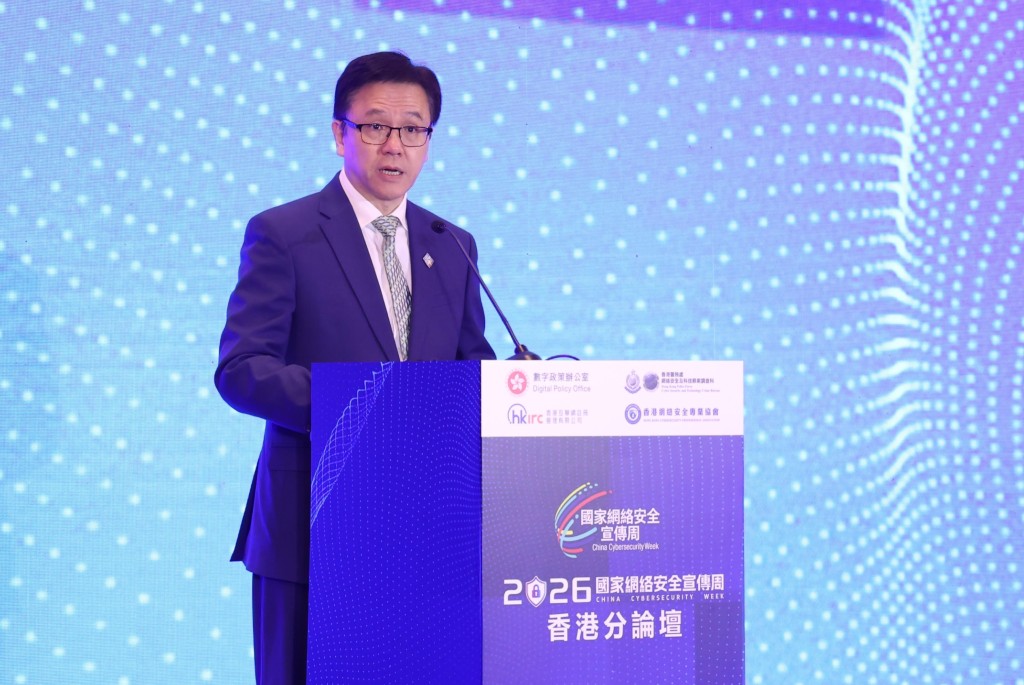
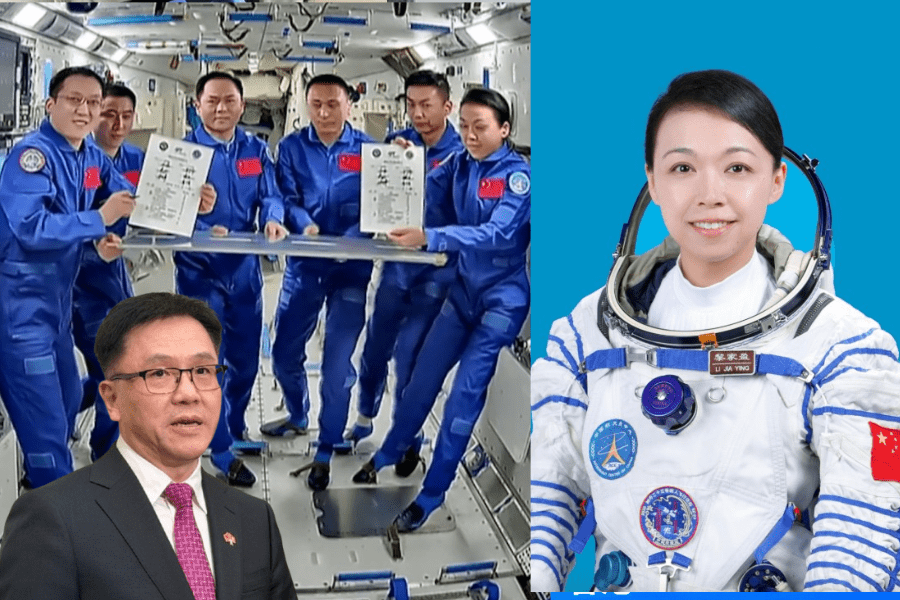
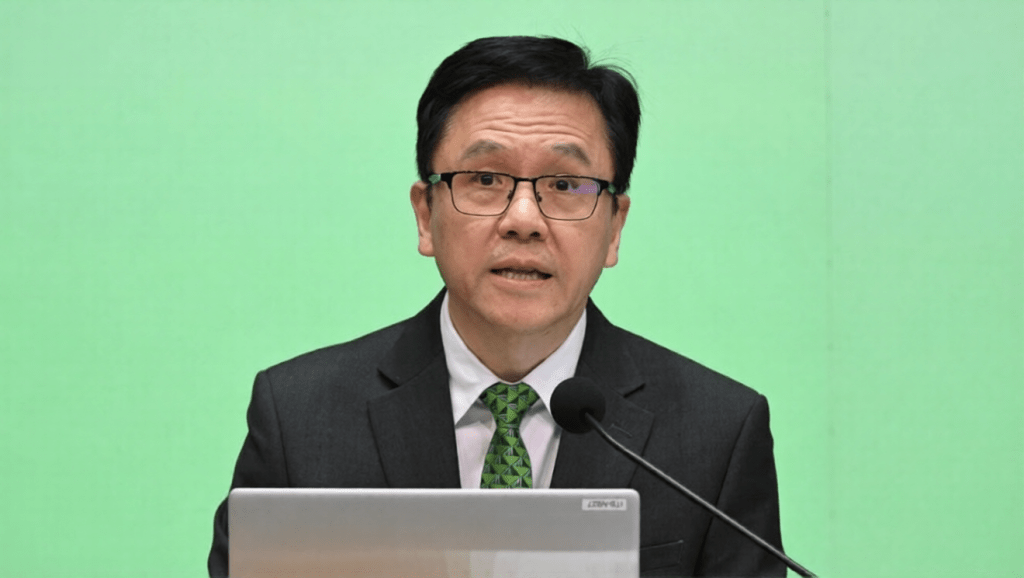
Hong Kong’s growing contribution to national aerospace missions demonstrates the successful implementation of “one country, two systems,” Secretary for Innovation, Technology and Industry Sun Dong said on Thursday.
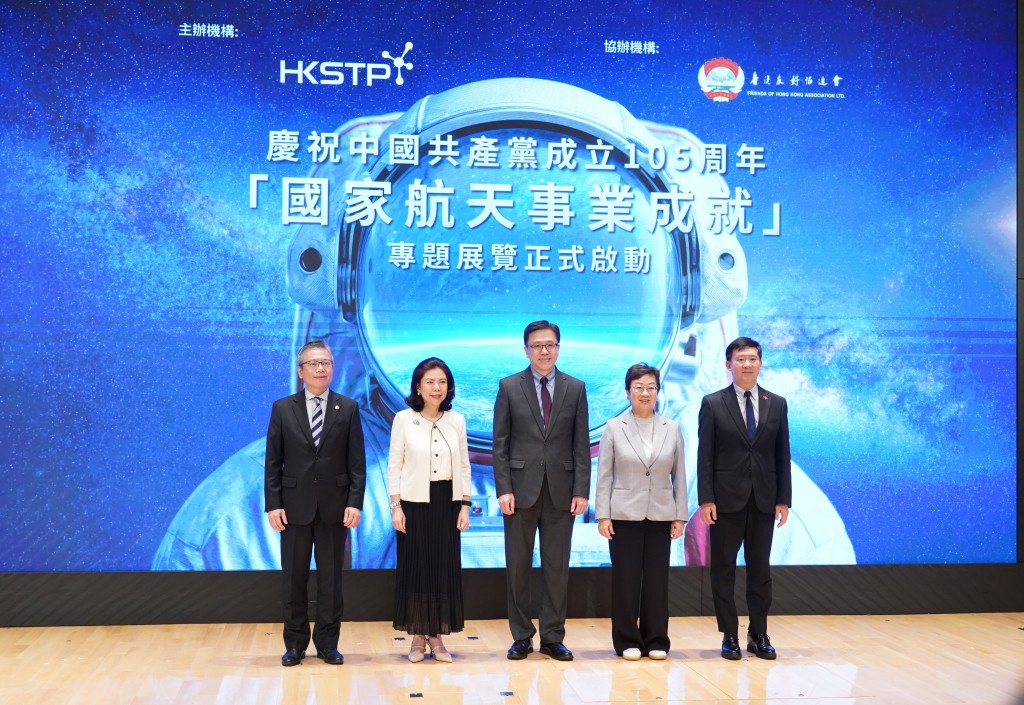
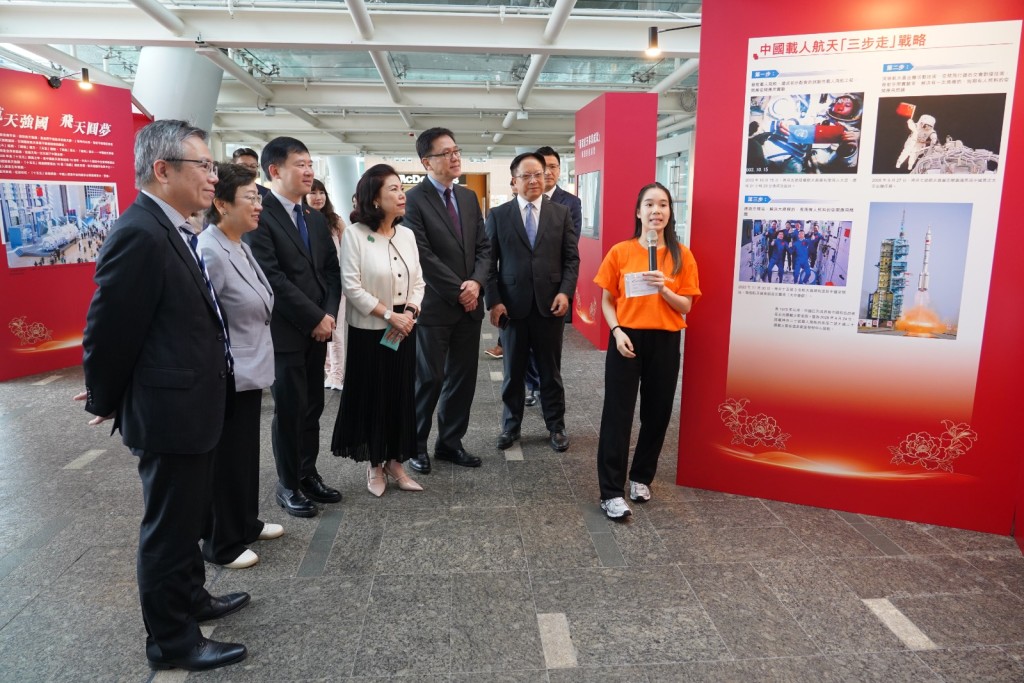
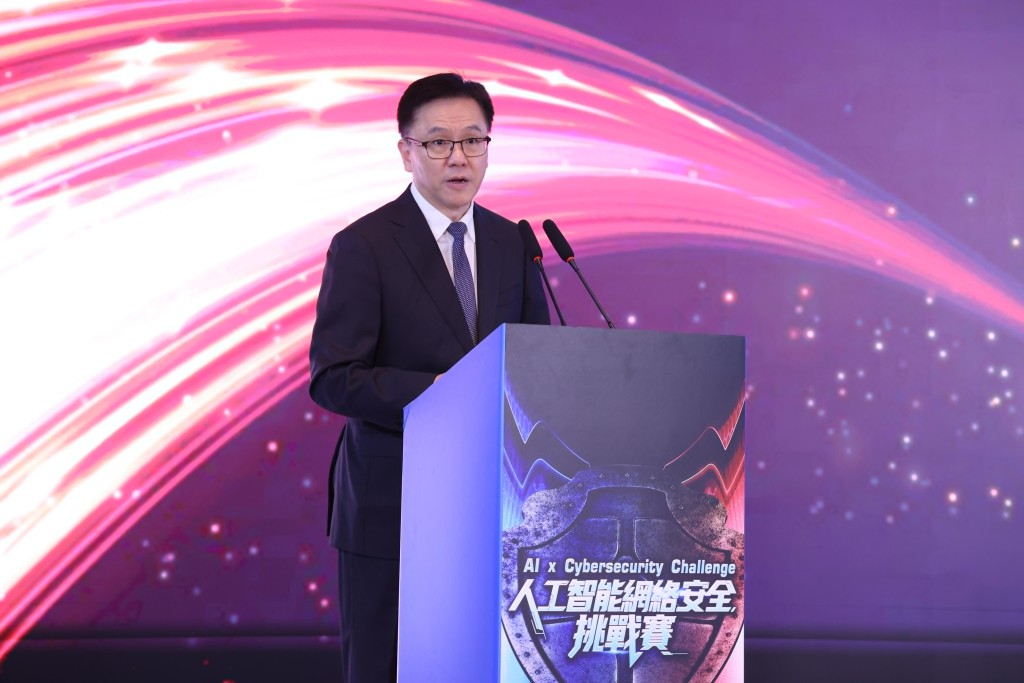
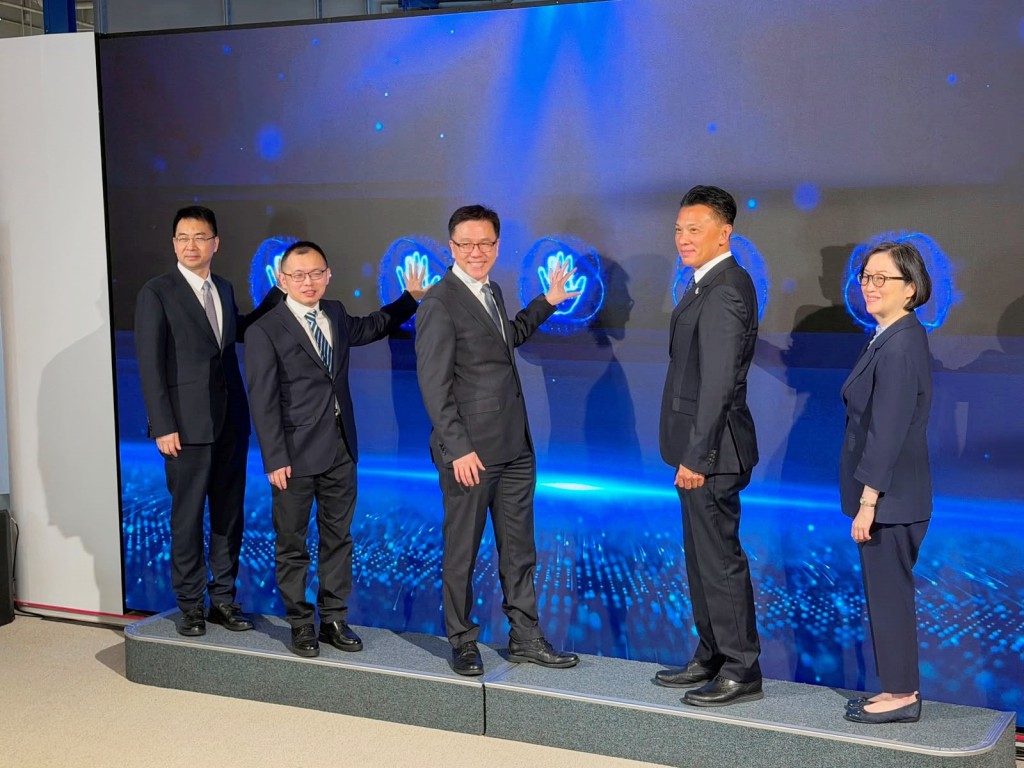
Speaking at the opening of the “Achievements of National Aerospace Endeavours” Thematic Exhibition at Hong Kong Science Park, Sun celebrated the city’s recent milestones in the national space program.
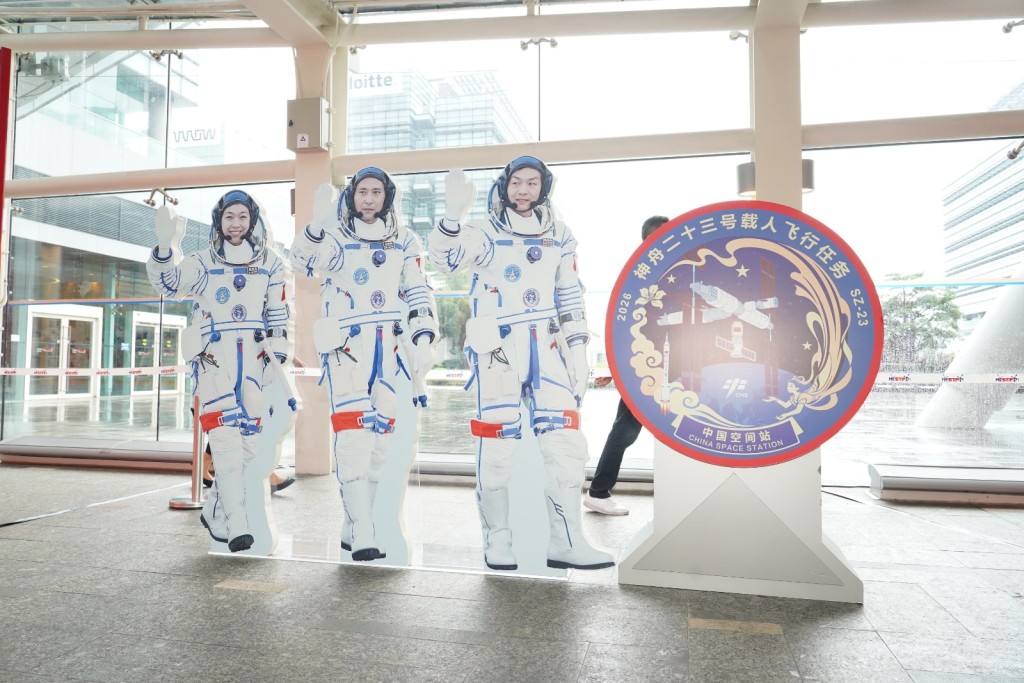
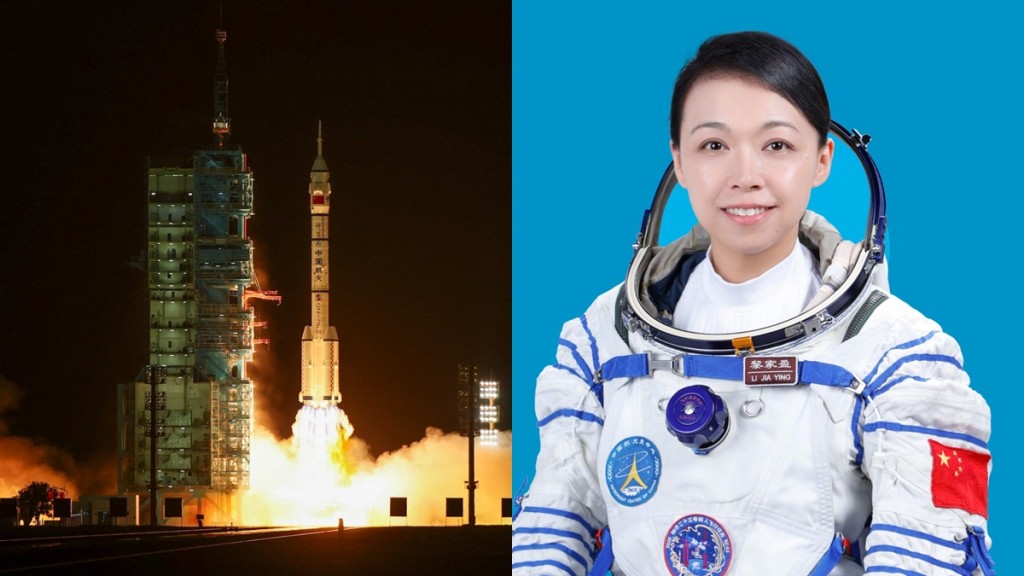
These included the Shenzhou-23 mission carrying Hong Kong’s first astronaut, payload expert Lai Ka-ying, and the installation of the Tianyun Camera, a greenhouse gas detector developed by a Hong Kong University of Science and Technology team, on the Tiangong space station.
Sun also pointed to Hong Kong Polytechnic University’s contribution to the Chang’e-6 mission. Its researchers developed a surface sampling device that helped collect samples from the far side of the moon.
He said the achievements showed that Hong Kong research teams were playing an increasingly important role in major national science and technology missions.
Sun added that innovation and technology were key to empowering social development, improving governance and accelerating Hong Kong’s integration into national development, while supporting its goal of becoming an international innovation and technology hub.
Hong Kong Science and Technology Parks Corporation chairman Cordelia Chung described Lai’s space mission as an “affirmation” of the city’s research capabilities.
She said the corporation would continue attracting talent and supporting the country’s aerospace ambitions in line with the national 15th Five-Year Plan.
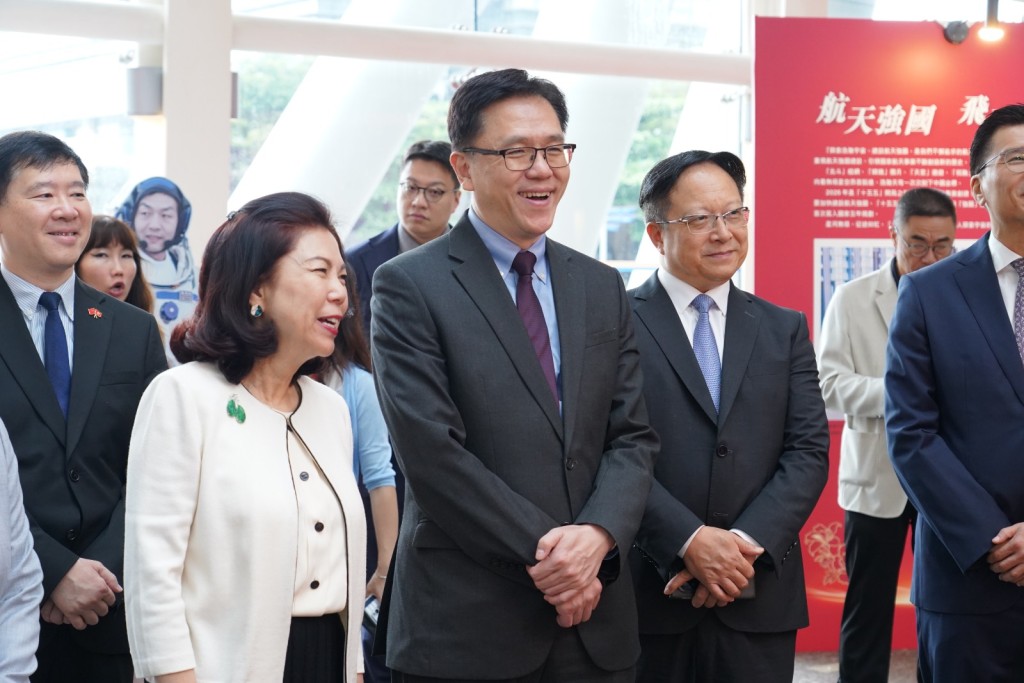
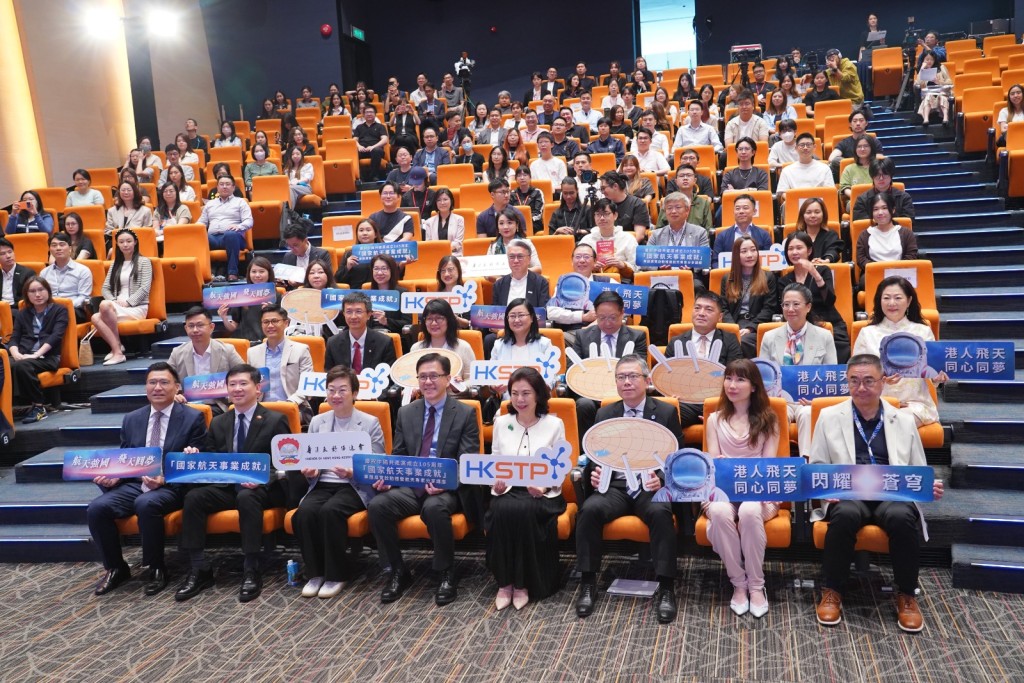
The seven-day exhibition at Science Park showcases aerospace achievements by the country and Hong Kong. It will move to Cyberport and the Hong Kong Productivity Council in August, allowing more members of the public to learn about China’s rapid advances in space technology.