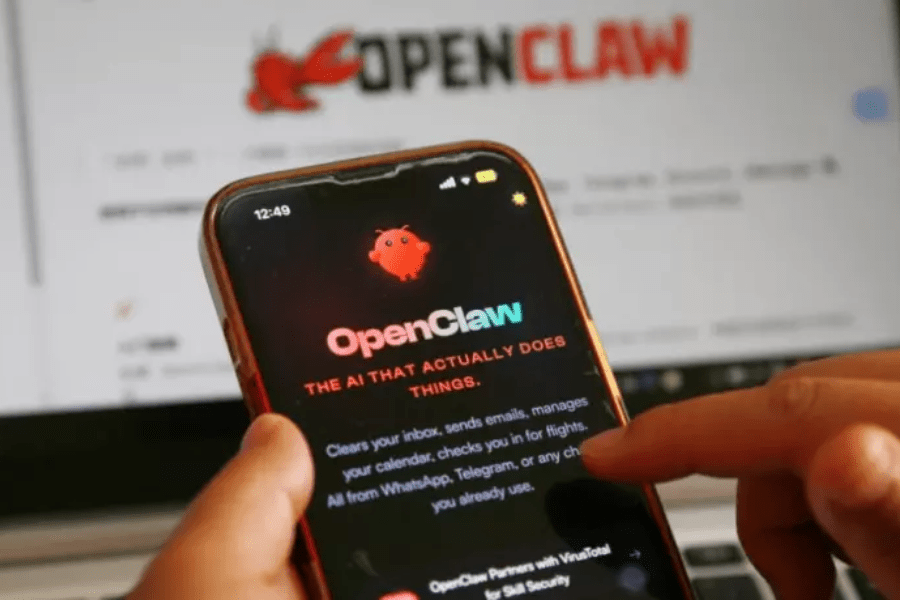
Financial Secretary Paul Chan Mo-po said the open-source AI agent OpenClaw should be further enhanced to unlock its potential, even as concerns about cybersecurity and privacy risks surrounding the technology continue to grow.
The tool, which can directly operate computers and perform tasks ranging from flight bookings to email management, has gained attention for enabling so-called “one-person companies” when granted the necessary system permissions.
Speaking at a luncheon meeting, Chan highlighted the global impact of OpenClaw, describing its convenience as similar to having an “electronic employee.” Its decentralized design allows the system to autonomously execute tasks across digital platforms.
While acknowledging cybersecurity and privacy concerns, Chan said such risks should not result in an outright ban on the platform. Instead, he suggested improvements could be made to strengthen its security while allowing the technology to develop further.
He added that the platform could reshape the labor market by taking over repetitive tasks currently handled by humans.
Chan also noted that with the mainland experiencing rapid economic growth, Hong Kong should leverage its role as a bridge to support national ambitions in technological self-reliance and the development of an international innovation and technology hub.
He said the city is well-positioned to provide data and application scenarios for mainland enterprises involved in artificial intelligence development.
Government units barred from installing OpenClaw
Despite Chan’s optimism about the technology, the Digital Policy Office has taken a more cautious approach, prohibiting civil servants from installing OpenClaw on government computers.
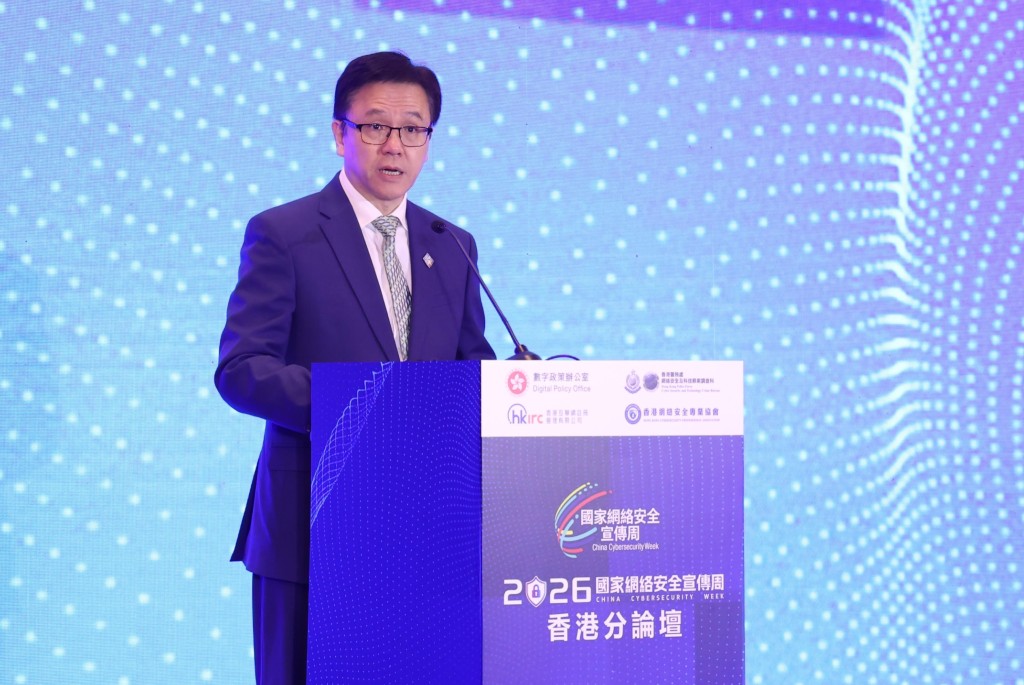
Secretary for Innovation, Technology and Industry Sun Dong said the decision was made due to potential risks associated with OpenClaw’s AI-assisted functions, including excessive system permissions, possible data leakage, and cybersecurity threats such as system intrusion.
Sun said the government is closely monitoring developments in artificial intelligence and the risks associated with emerging technologies.
He added that comprehensive information security policies and guidelines have already been established to guide government departments.
For organizations and individuals outside the government, Sun recommended adopting adequate cybersecurity safeguards when using OpenClaw. These include isolating the software from other operating environments, strengthening credential management, and closely monitoring official updates from developers.
Government promotes AI education initiatives
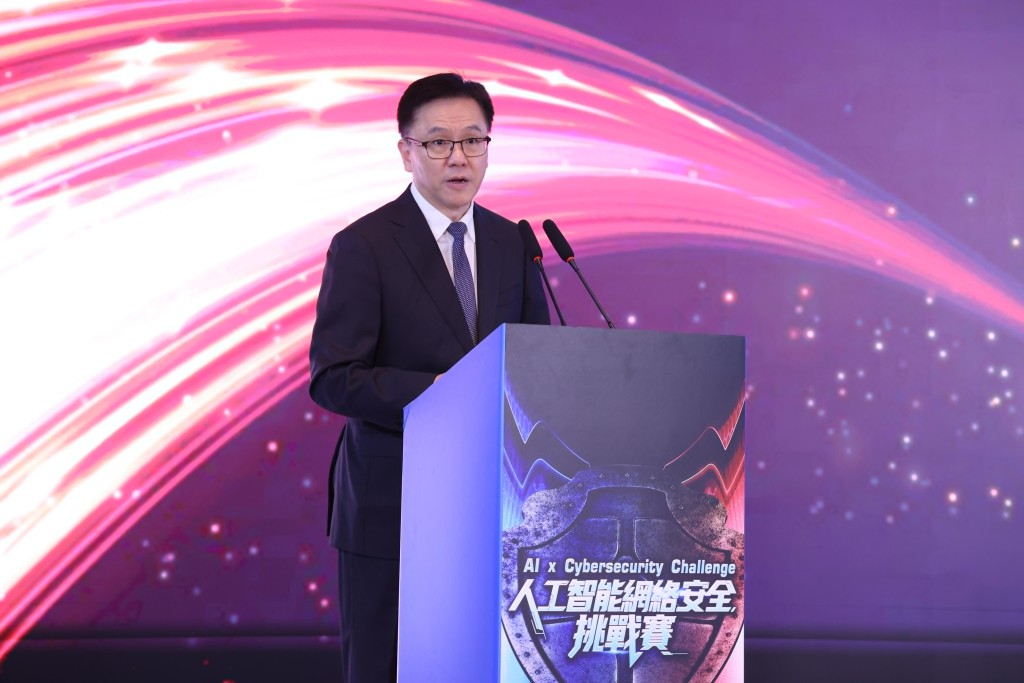
Sun also outlined efforts to strengthen public understanding of artificial intelligence through a series of education initiatives.
He said authorities plan to invite renowned local scholars and experts to deliver public lectures using what he described as a “large classroom, large lecture” format.
Discussions are also underway with organizations under the Hong Kong Science and Technology Parks Corporation (HKSTP), Cyberport, and the Hong Kong Productivity Council to organize lectures, training programs, and competitions for students.
The initiatives are expected to be rolled out in the near future, he added.
Applications grow under industrial acceleration scheme
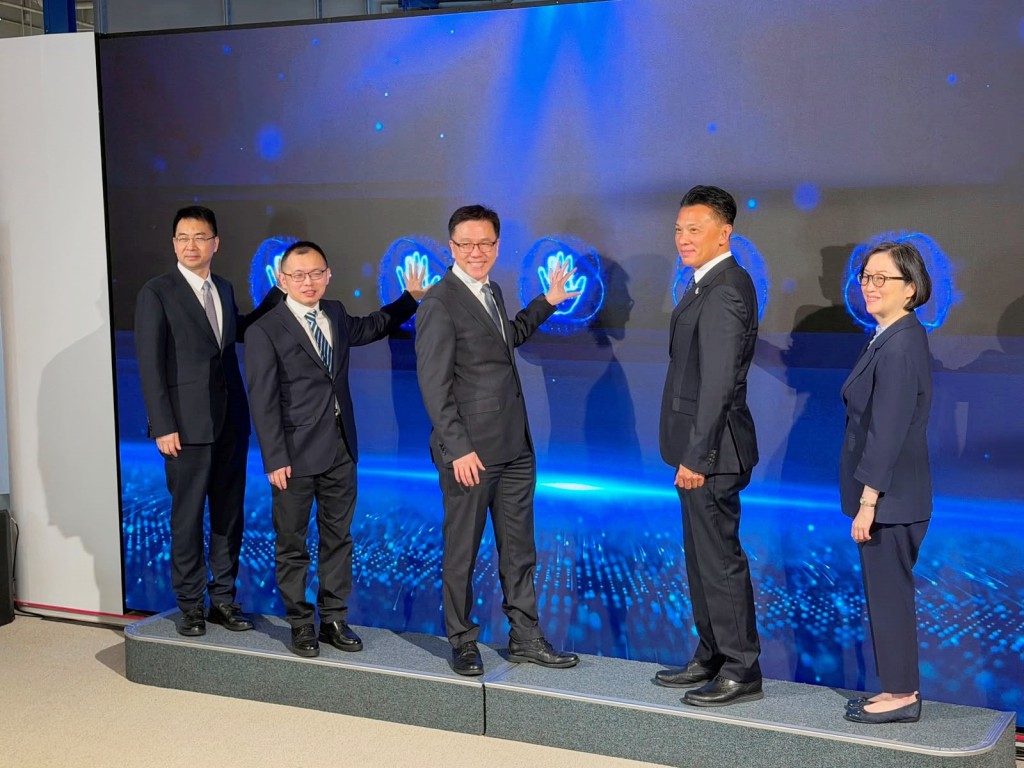
Separately, Sun said the Innovation and Technology Commission has seen a growing number of applications under the New Industrialization Acceleration Scheme (NIAS).
Four projects have already been approved, with a total investment of HK$2.5 billion, more than 70 percent of which comes from industry sources.
Sun expressed confidence that more applications would follow, particularly from key enterprises planning to establish operations in the Northern Metropolis.
Gemini logo is seen in this illustration taken May 20, 2024. (Reuters/File)
Meanwhile, Google announced it will gradually roll out access to its Gemini web application in Hong Kong, with the mobile app to follow.
Gemini is designed to help users with everyday tasks, from drafting complex emails to generating ideas and planning activities.