Read More








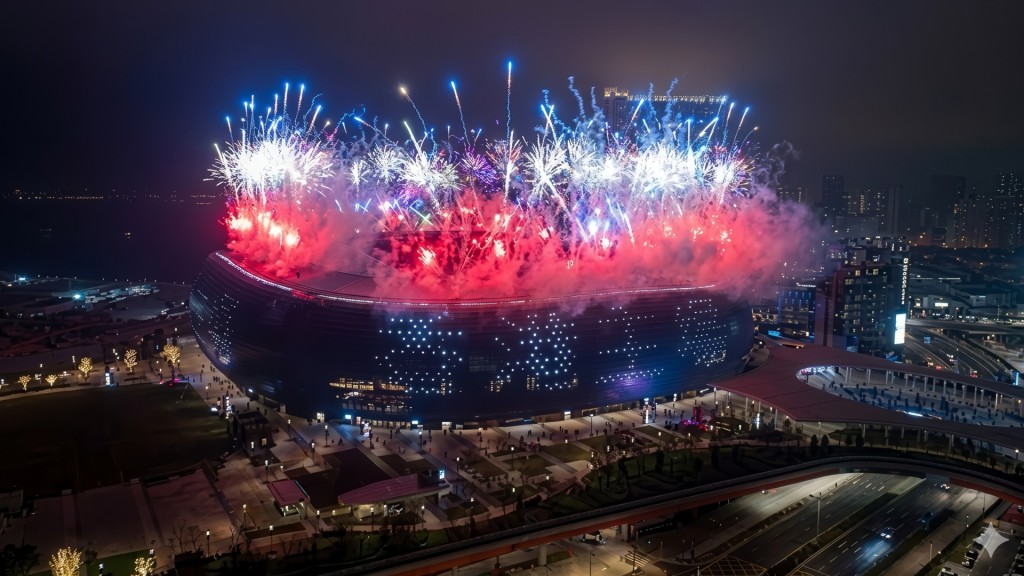
The economic benefits of major events should not be measured only by whether visitors stay overnight, as even same-day travelers generate spending on transport, dining and experiences, said Secretary for Culture, Sports and Tourism Rosanna Law Shuk-pui.
Speaking at the Legislative Council on Wednesday, Law said Hong Kong recorded about 26.71 million visitor arrivals in the first half of this year, up 13 percent year-on-year. Mainland visitor arrivals rose 16 percent, while non-mainland arrivals increased 5 percent.

Law said the continued growth largely reflected the success of Hong Kong’s “mega events + tourism” strategy.
Her remarks came as business sector lawmaker Jonathan Stuart Lamport asked how the government would ensure that visitor flows generated by major events could translate into real business gains.
Law said authorities are turning individual events into cross-district and multi-period themed experiences to broaden spending opportunities. She said a new round of “ticket-stub economy” offers will be launched in August, alongside major football events and the musical CATS in Hong Kong.
She said mega events are an important engine for tourism and economic development, as they attract visitors, boost hotel, catering and retail spending, and create jobs in sectors such as transport and event production.
Meanwhile, DAB lawmaker Chan Yung asked how Hong Kong could strengthen cooperation with Greater Bay Area cities to promote multi-destination travel.
Law said the government and the Hong Kong Tourism Board are working on several fronts to promote Greater Bay Area tourism resources, including a showcase in Kuala Lumpur next month.
Separately, tourism sector lawmaker Vivian Kong Man-wai asked about efforts to attract Muslim travelers.
In response, the official quoted that Middle East visitor arrivals rose nearly 40 percent in 2025 and increased a further 13 percent year-on-year in the first five months of this year to 36,000. She said authorities are monitoring whether recent growth has slowed, but remain optimistic about spending by Middle East visitors overall.