
Read More
A growing number of Hong Kong cancer patients are crossing the border to seek medical treatment in Shenzhen, driven by significantly lower drug prices and faster access to newly approved innovative therapies.
ADVERTISEMENT
SCROLL TO CONTINUE WITH CONTENT
This emerging cross-border medical trend highlights vast disparities in regional healthcare costs, with some life-saving medications in the mainland priced at less than a fifth of what they cost in Hong Kong.
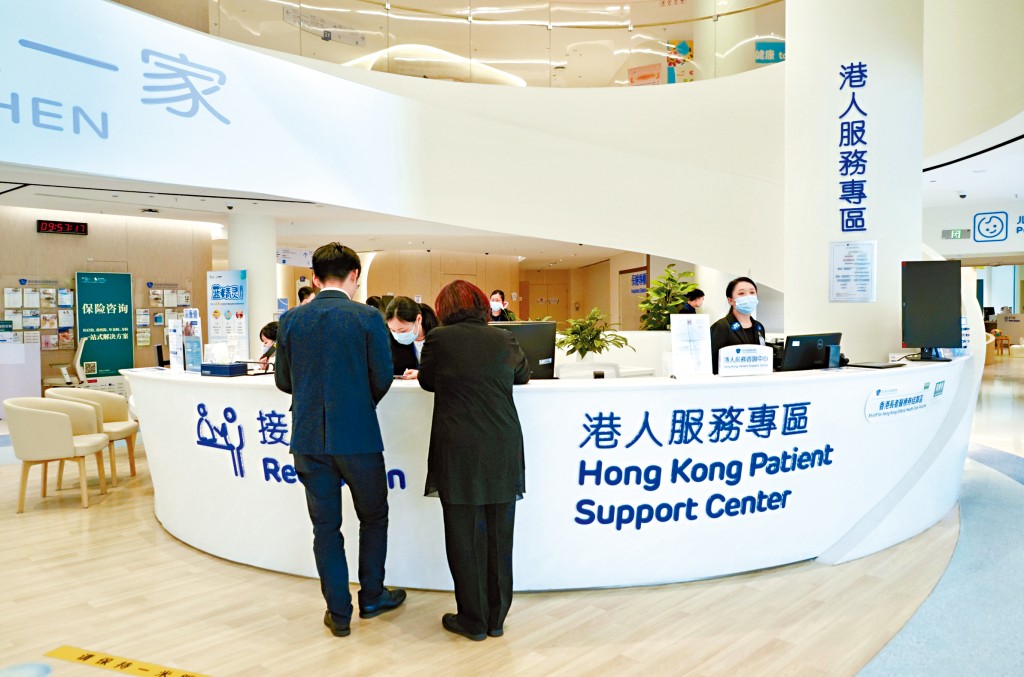
At the Shenzhen New Frontier United Family Hospital, a private international medical facility located just a short drive from the Futian border checkpoint, Hong Kong residents now make up nearly eighty percent of the oncology department's patients.
A hospital pharmacy representative noted that almost half of these patients are being treated for lung cancer, initially drawn across the border by the exceptional cost-efficiency of targeted therapy drugs.
For identical medications from the same manufacturers, the price gap is staggering.
First, second, and third-generation targeted lung cancer therapies cost less than twenty percent of their Hong Kong equivalents, while certain immunotherapy treatments are priced at roughly sixty percent of what they would cost in the city.
Beyond massive cost savings, the accelerated approval process for new domestic medications in mainland China serves as a major draw.
The hospital's oncology director explained that innovative drugs are typically approved and launched in the mainland first. Even though clinical guidelines are updated simultaneously in both regions, Hong Kong patients eager to utilize these newly available treatments must travel north.
Currently, more than half of the hospital's oncology patients receiving injectable treatments travel specifically to access these newly launched mainland innovations.
Medical professionals note that clinical knowledge between the two regions is fully synchronized, as doctors on both sides adhere to the same authoritative international guidelines and research developments.
The mainland's pharmaceutical sector has transformed significantly over the past decade.
Official centralized procurement policies have slashed the inflated prices of generic and off-patent drugs, while the approval of innovative drugs reached a record high of seventy-six last year, a sharp increase from forty-eight in 2024.
The appeal of mainland healthcare extends beyond affordable prescriptions.
Industry professionals point out that the growing integration of healthcare within the Greater Bay Area has made cross-border medical trips highly convenient.
Key factors driving this trend include a familiar Cantonese-speaking environment, geographic proximity, and highly efficient appointment scheduling with minimal wait times.
Additionally, the expansion of Hong Kong’s Elderly Health Care Voucher pilot scheme into mainland cities has further eased the process. Patients are also drawn by the extensive practical experience of mainland doctors, who handle a massive and complex volume of cases daily.
Patient rights advocates observe that this cross-border medical migration is an inevitable trend.
A representative from the Society for Community Organization explained that the availability of cheaper identical drugs and the desire to access new treatments quickly are the primary motivators for local residents.
The representative assured the public that safety is not a major concern, as mainland drug approval and safety standards are robust and comparable to those in Hong Kong.
Echoing this sentiment, the chairman of Hong Kong Patients' Voices attributed the stark price disparities to pharmaceutical companies adjusting their prices based on regional economic indicators, coupled with mainland policies that aggressively lower cancer drug costs.
The phenomenon has become so popular that some patient groups now organize medical escort services to mainland hospitals.
However, advocates caution that while mainland drugs are strictly regulated, patients should remain vigilant and exclusively seek treatment at established, reputable medical institutions.