Read More














Under the steady hum of traffic at Wan Chai's Canal Road Flyover, the rhythmic slap of shoes against paper effigies continues much as it has for decades.
As Hong Kong's Intangible Cultural Heritage Month unfolds in June, crowds continue to gather at the city's most famous villain hitting site. Among them are an increasing number of visitors who first learned about the tradition online.
Villain hitting is one of Hong Kong's best-known folk customs and is included in the city's Intangible Cultural Heritage Inventory. The ritual involves striking paper effigies representing enemies or sources of misfortune, accompanied by chants and offerings intended to ward off bad luck.
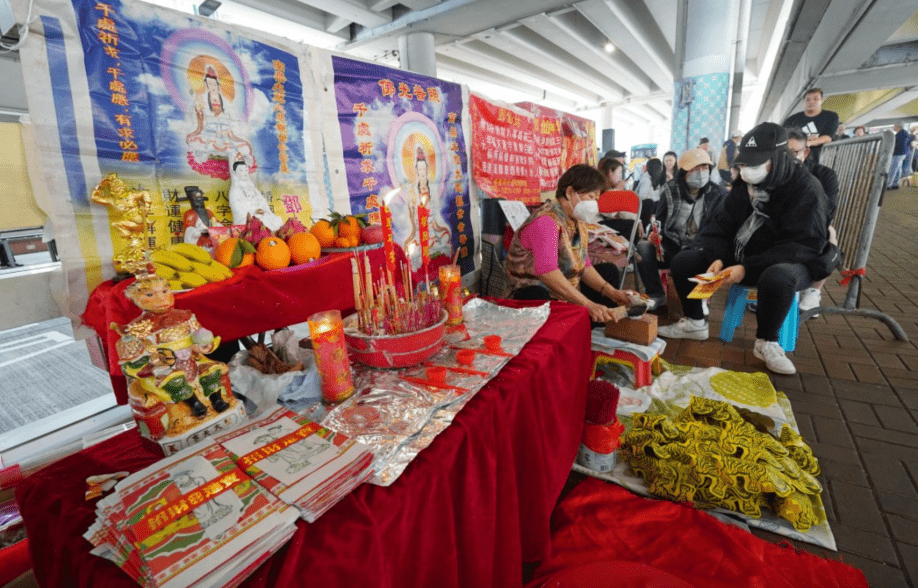
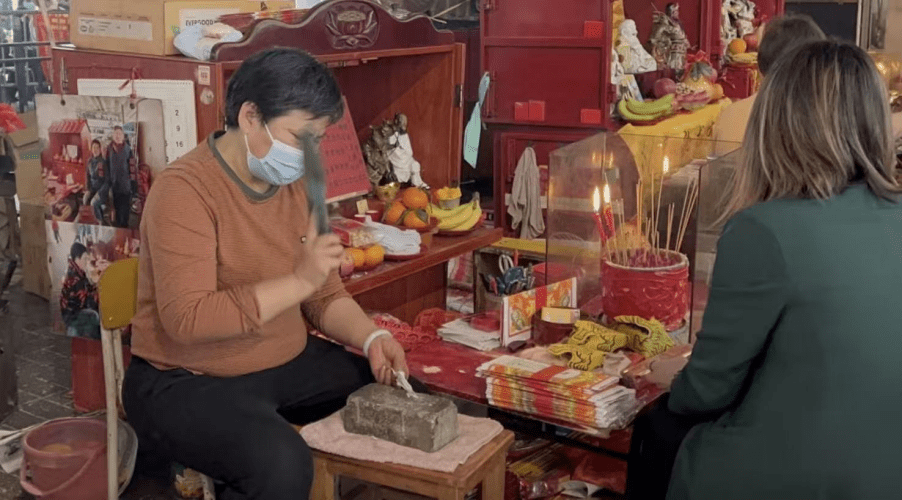
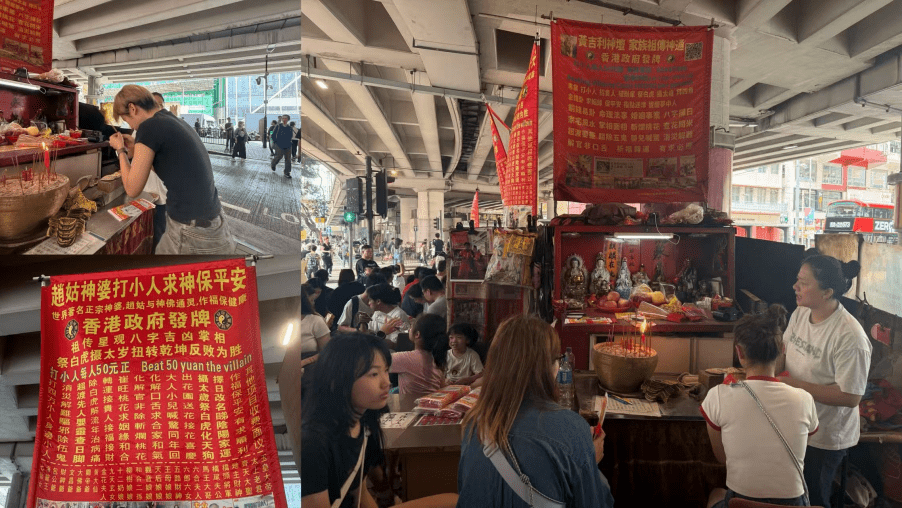
For decades, the Canal Road Flyover has been the most iconic location for the practice.
Among those working there is Chiu, a fifth-generation practitioner who performs dozens of ceremonies on a typical day.
"On ordinary days there are already quite a lot of customers," she said. "Public holidays are even busier."
In recent years, Chiu has noticed a change in where many of those customers come from.
Many mainland Chinese visitors now arrive after seeing posts on Xiaohongshu, while some tourists from Taiwan book appointments through travel platforms before coming to Hong Kong.
Two mainland visitors said they decided to visit after encountering content about villain hitting online. While neither described themselves as believers, both viewed the ritual as an opportunity to experience a distinctive aspect of Hong Kong culture.
"I think in the past, it was more of a local folk custom tied to religious beliefs. But now, I can see there are a lot of tourists here taking photos and videos, then sharing them with family or posting them on social media," said Wendy Wang, a mainland student studying in Hong Kong.

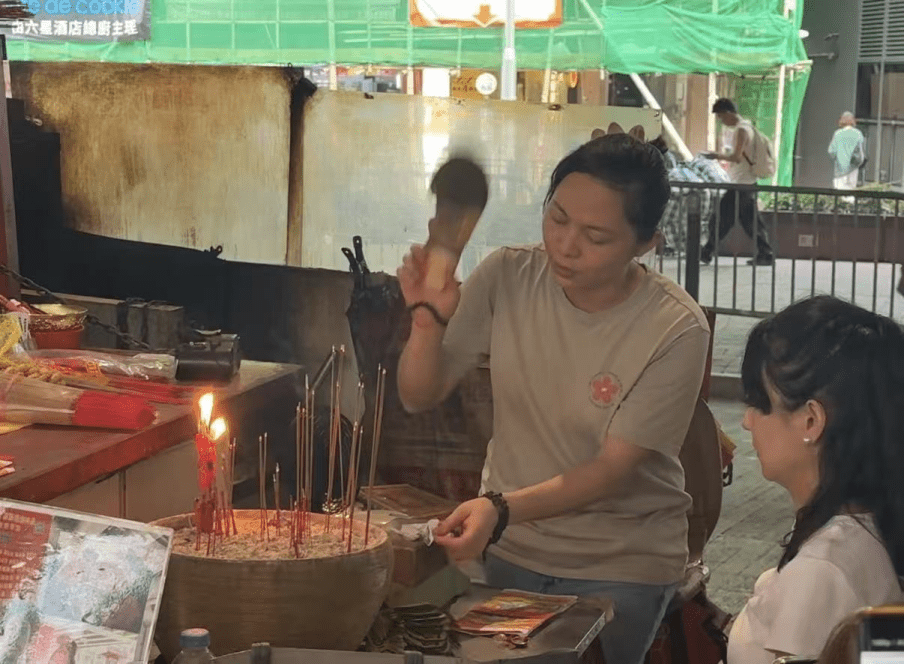
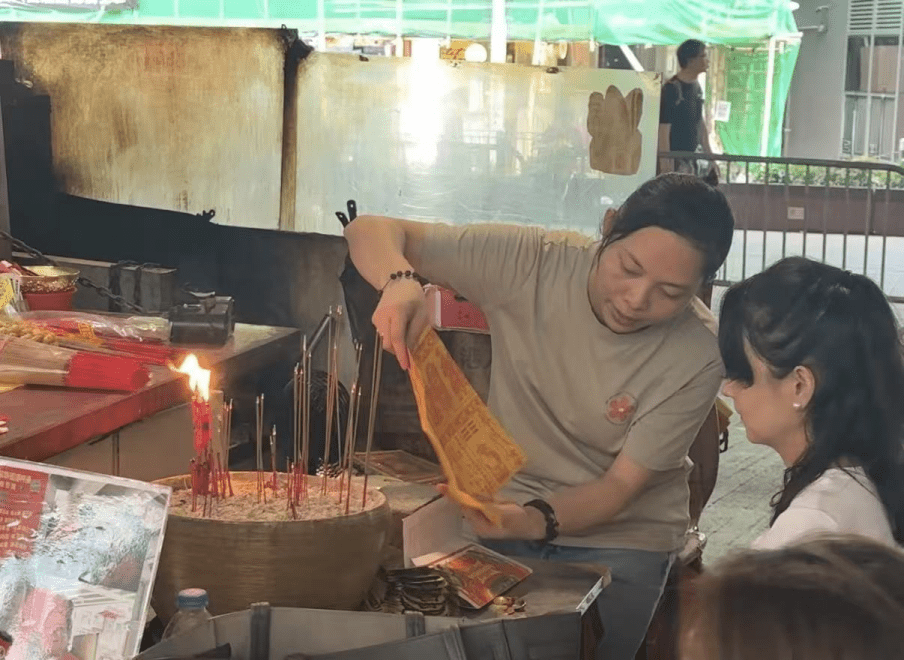
According to Jane Han, Postdoctoral Fellow at The Education University of Hong Kong, digital platforms have significantly expanded the visibility of villain hitting, introducing the practice to people who may otherwise never have encountered it.
While villain hitting was traditionally rooted in folk belief and community life, many visitors today approach it primarily as a cultural experience rather than an act of faith.
Han said this does not necessarily diminish the tradition's significance. Instead, it reflects how folk customs adapt as they reach new audiences through different forms of participation.
Some visitors who initially take part out of curiosity may eventually develop a deeper interest in the beliefs and practices behind the ritual, potentially becoming active participants themselves.
For Chiu, however, the focus remains on continuing a family tradition.
"We pass this down within the family, generation by generation," she said.
Beneath the Canal Road Flyover, the chants and rituals continue much as they always have. But while the practice itself remains familiar, the path leading people to it is changing — from word of mouth to social media feeds.