Read More



Taxi catches fire in Kowloon Bay
5 hours ago
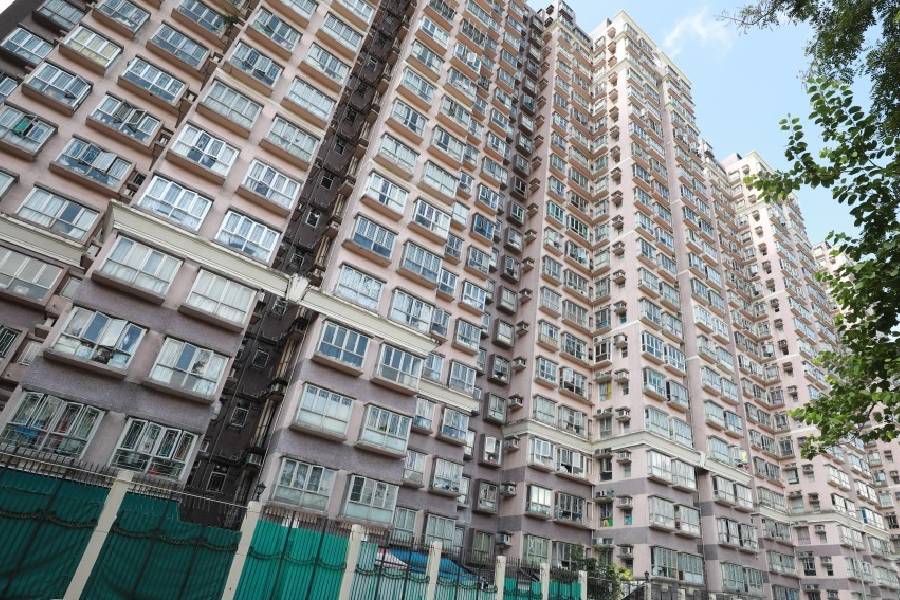
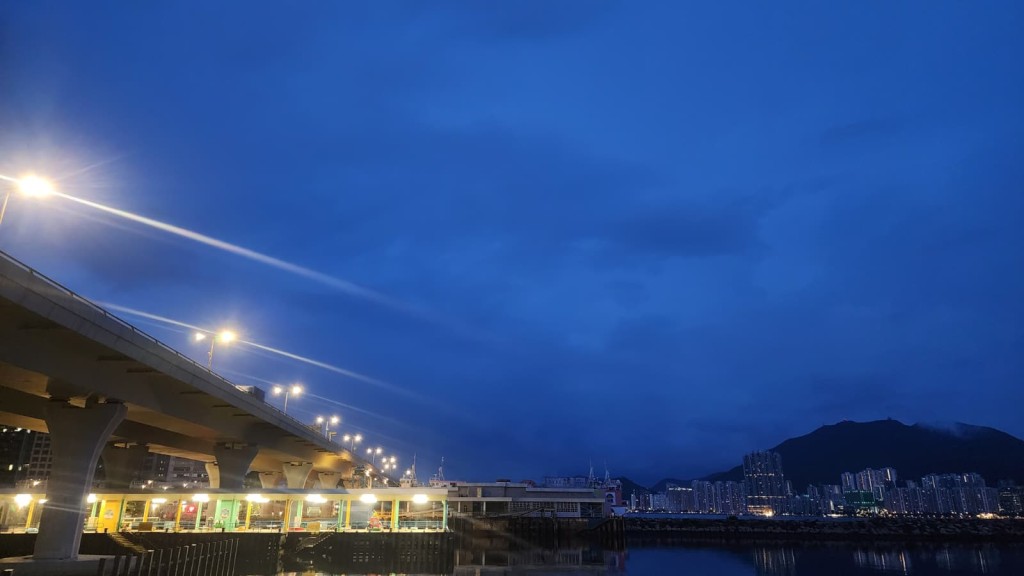



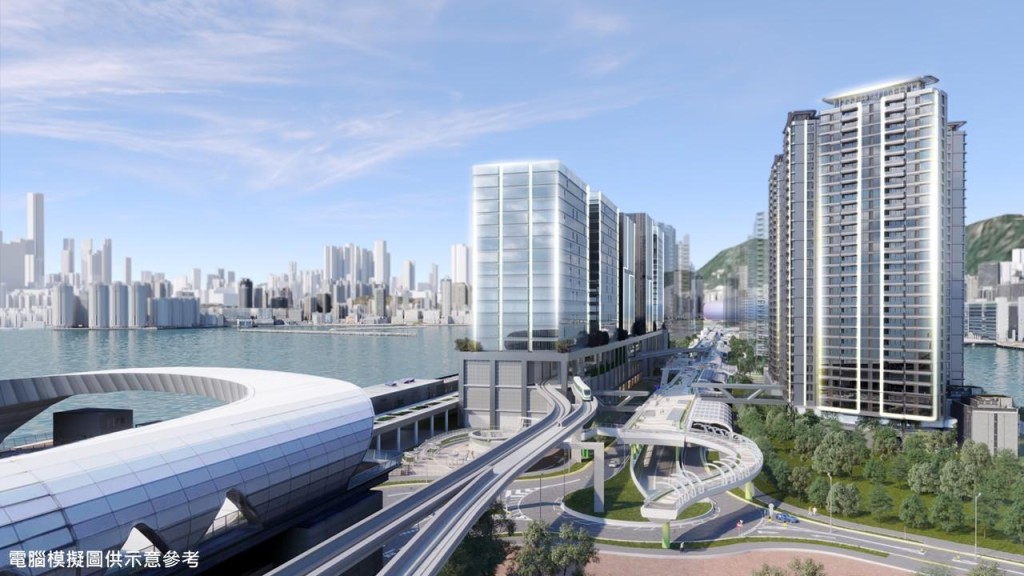
The government’s tender for the Smart and Green Mass Transit System in Kai Tak officially closed on Friday, marking a key milestone for the highly anticipated infrastructure project.
Executive Council approval for the master proposal was granted in late March, with officials targeting an operational launch by 2031.
At least two commercial entities have submitted formal bids, including the MTR Corporation, which delivered its application to Central Government Offices on Friday.
The second participating group has opted to keep its identity confidential.
Spanning approximately 3.5 kilometers with six planned elevated stations, the transit system will directly connect the Kai Tak Cruise Terminal to the existing MTR Kai Tak Station.
The project aims to improve internal transport links across commercial, residential, tourism, and recreational facilities within the revitalized district.
Government authorities plan to introduce a new regulatory framework to govern the project, focusing on technology neutrality, standardization, and formal operational guidelines covering ticketing mechanisms and performance penalties.
The primary bill is expected to be presented to the Legislative Council in the fourth quarter of this year.
Civil Engineering and Development Department documents show that the contract scope covers the design and construction of an elevated dedicated corridor, six elevated stations, and an elevated depot on Shing King Street, alongside system installation and environmental mitigation measures.
The winning operator will manage testing, daily operations, and long-term maintenance under a 20-year franchise, after which ownership will revert to the government at no cost.
To enhance the financial viability of the tender, the government is offering land development rights at a nominal land premium for three designated sites, including a residential lot in Area 4B and two commercial lots in Area 4C.
The submission deadline was originally set for July 3, but the government extended it to August 14 following supplementary tender documentation and requests for extra time from interested companies.
Prior market reports indicated that up to three consortiums had originally explored potential bids, including Sun Hung Kai Properties alongside the MTR Corporation.
Speaking at a corporate earnings conference, MTR Corporation Chief Executive Officer Jeny Yeung Mei-chun confirmed the rail operator's bid, citing the company's extensive experience operating transit networks locally and internationally.
Yeung highlighted the strategic synergy with existing nearby infrastructure at Kai Tak and Sung Wong Toi stations, emphasizing that MTR intends to apply innovative technologies and operational approaches to the Kai Tak development.
Concurrently, CRRC Urban Traffic, a subsidiary of China Railway Rolling Stock Corporation (CRRC), revealed plans to participate in Hong Kong's new transit developments as a primary system supplier in partnership with a local property developer.
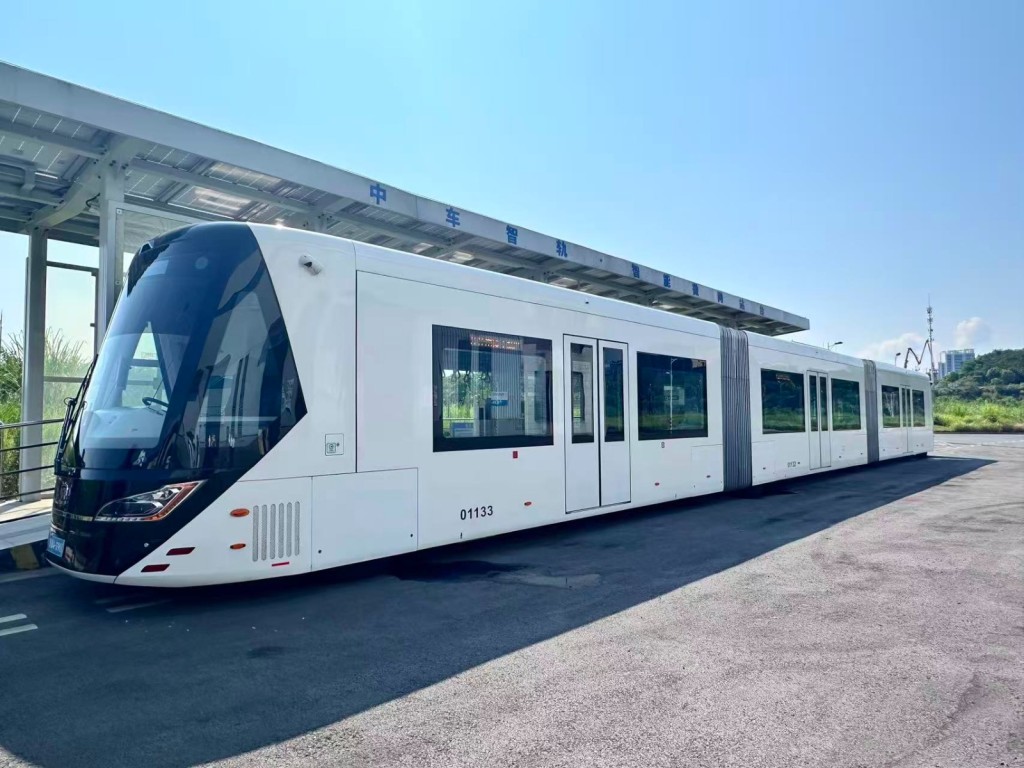
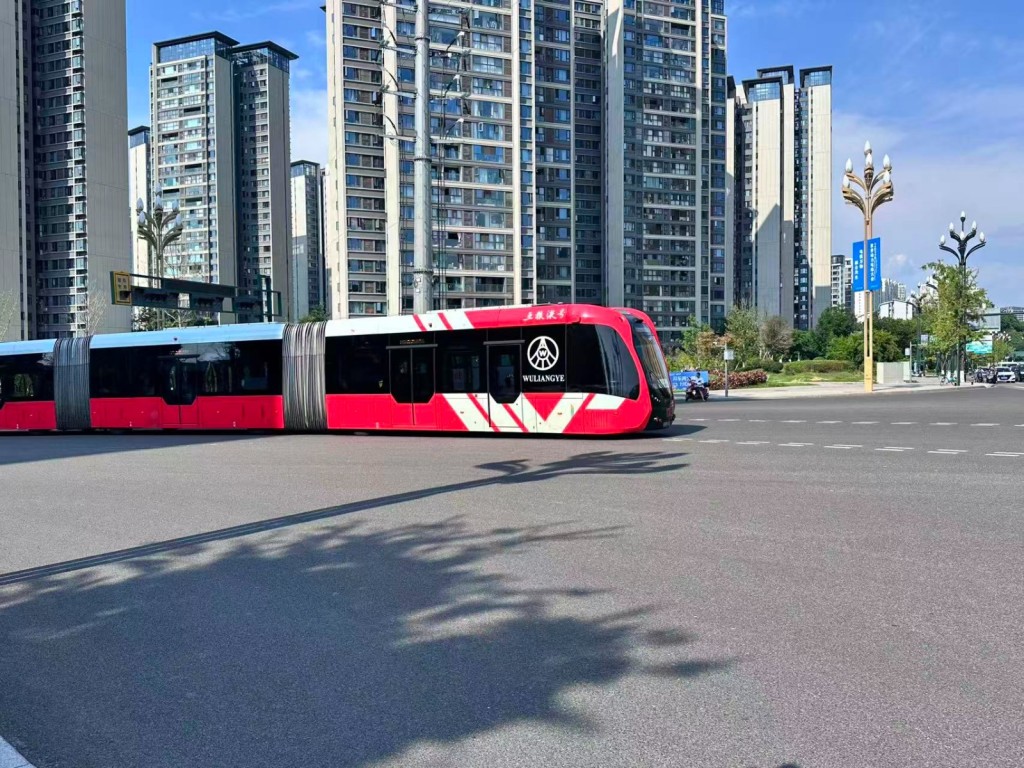
Executive Yang Tao explained that CRRC's Autonomous Rail Rapid Transit (ART) utilizes rubber tires navigating along digitally marked virtual tracks, eliminating the need for physical steel rails or traditional overhead power lines.
Building costs for the system range between 40 million and 60 million yuan per kilometer—roughly one-third the cost of conventional light rail systems.
During a recent media trial in Yibin, Sichuan province, the rubber-tired system demonstrated operational performance similar to standard trams.
Media observations noted smooth acceleration, straight-line stability, and steady incline handling, with only minor lateral sway during sharp turns.
Passenger access mirrors modern light rail operations while removing the need for underground entry points or airport-style security checks.