Read More













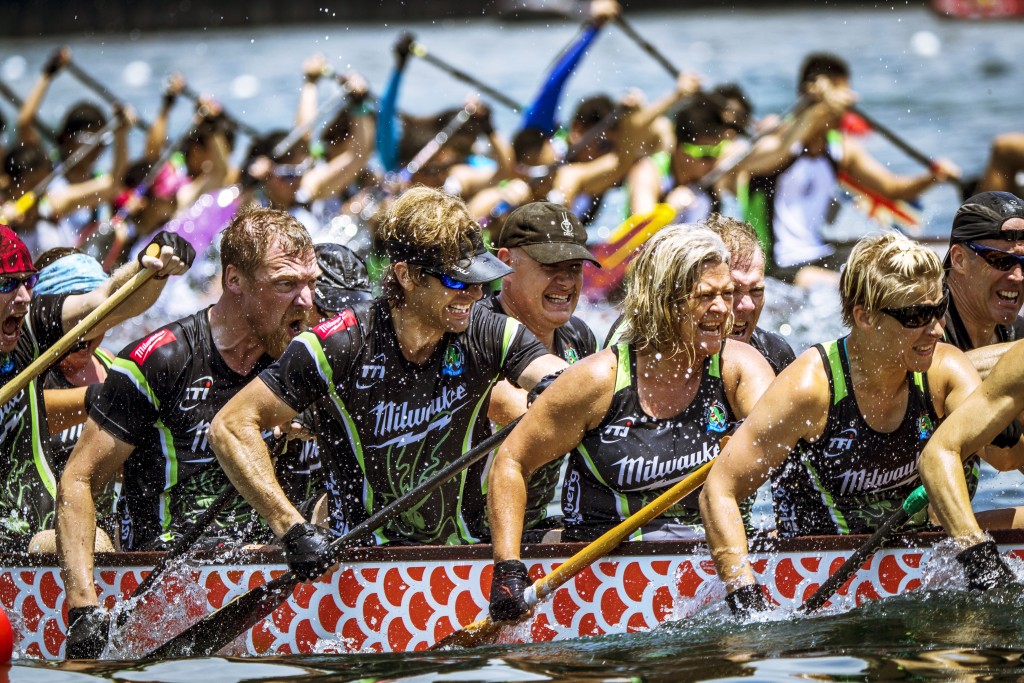
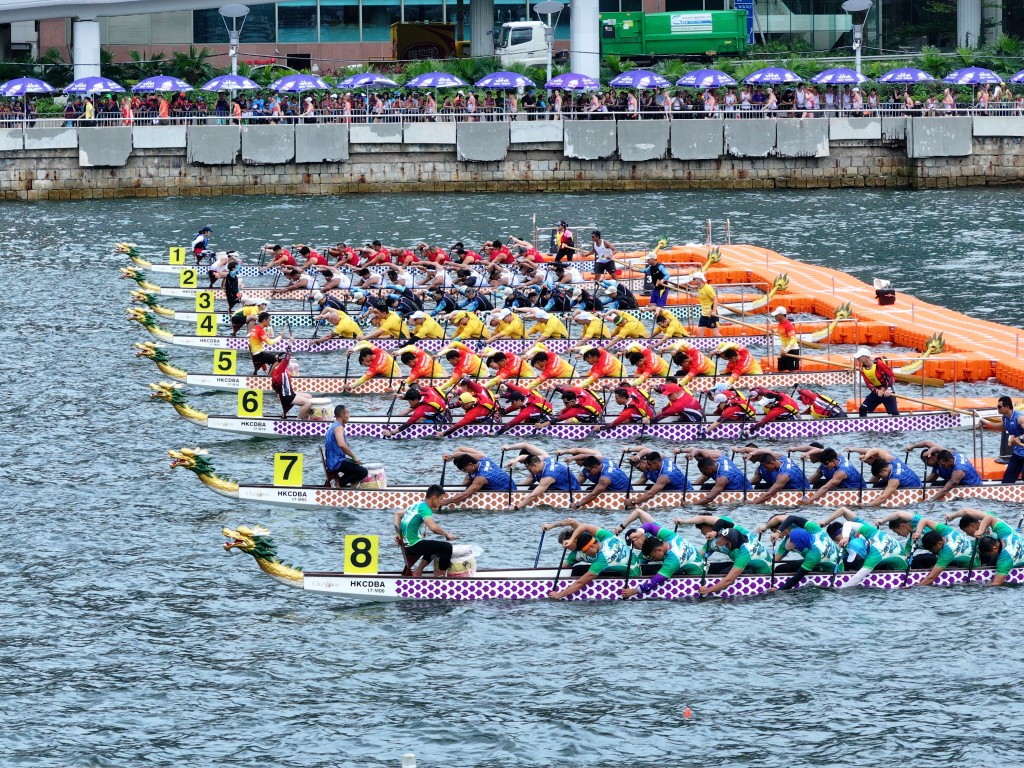
As the rhythmic beat of drums echoes across Victoria Harbour, the Hong Kong International Dragon Boat Races celebrate their 50th anniversary this year, marking a remarkable journey from a local fisherman's tradition into an elite, internationally recognized sport.
Upgraded this year to the Sun Life Hong Kong International Dragon Boat Festival, the event stands as a testament to decades of strategic promotion and institutional reform that placed Hong Kong at the very heart of the global paddling community.
The multi-day international extravaganza originally sparked from a casual conversation back in 1975.
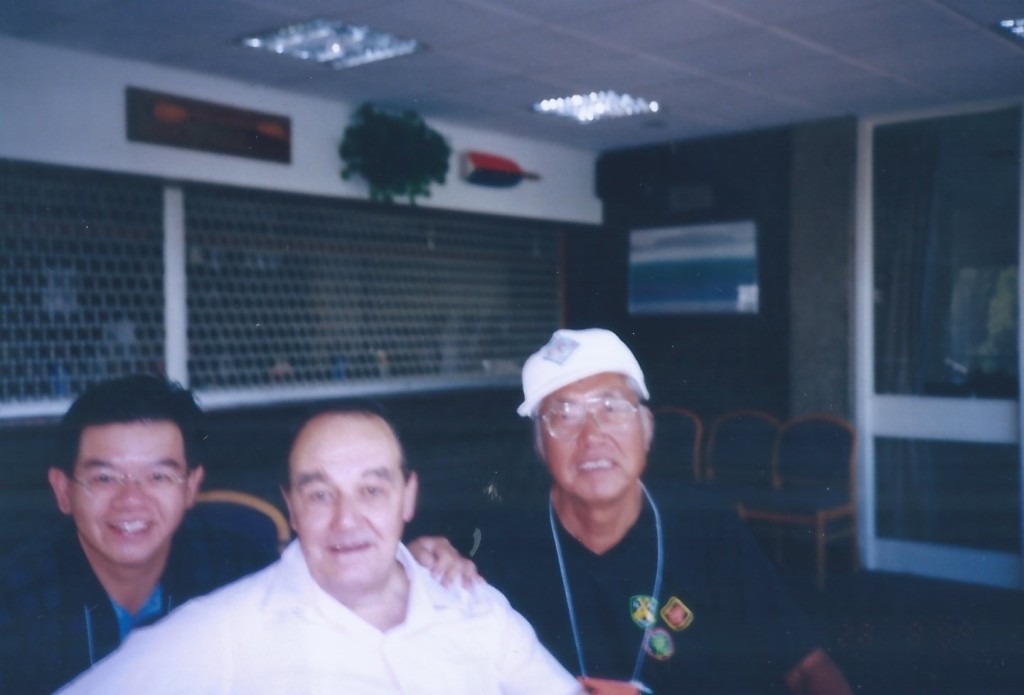
The executive director of the tourism association at the time, John Pain, was chatting with the chairman of a local fishermen's association, Philip Lai Kwok-kui, about the traditional dragon boat activities held during the Tuen Ng Festival.
Recognizing the immense tourism potential of these vibrant cultural rituals, Pain realized the sport could serve as a unique attraction during Hong Kong’s traditional tourism off-season.
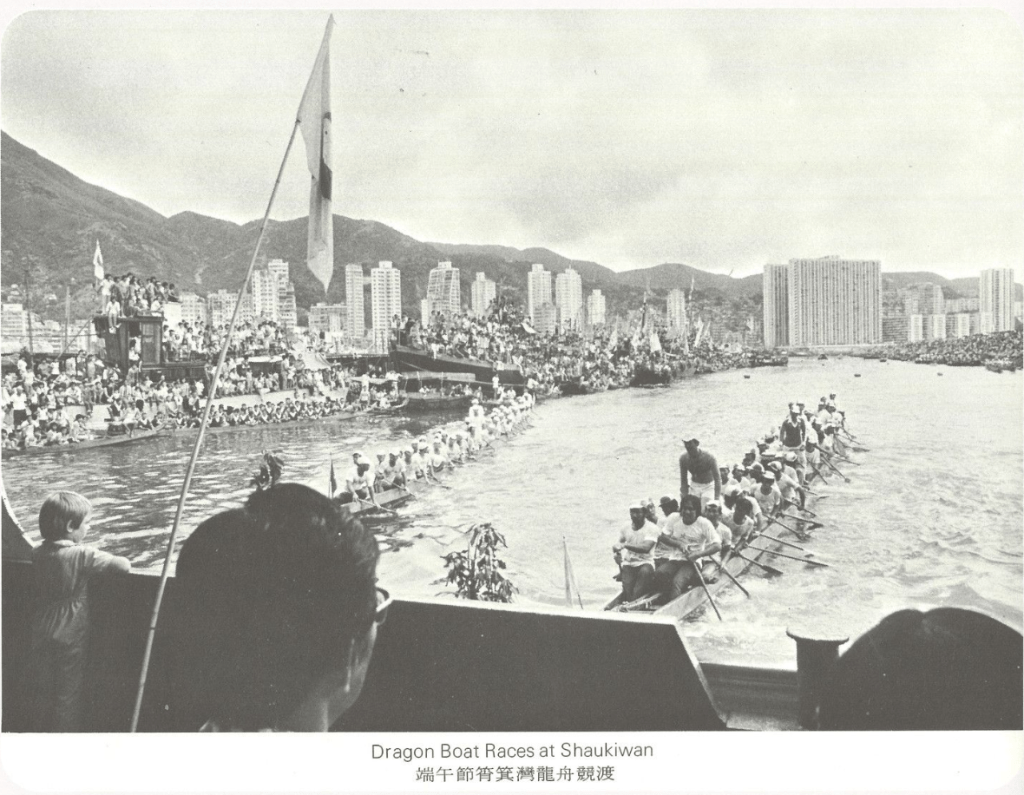
Their collaboration bore fruit the following year. In 1976, the inaugural Hong Kong International Dragon Boat Invitational Races took place in Shau Kei Wan.
While that first race featured just nine local teams and a single international team from Japan, it effectively laid the groundwork for the sport's global expansion.
Organizers recalled that local fishermen took immense pride in the event, seeing it as a prestigious opportunity to compete directly against international athletes on a grand stage.
Propelling a hyper-local tradition onto the world stage presented significant hurdles, especially since most people outside of Asia had never seen a dragon boat.
To bridge this cultural gap, promotional teams decided to pitch the activity through a lens westerners already understood: competitive rowing.
Hong Kong officials began gifting traditional wooden dragon boats to rowing clubs in the United Kingdom, the United States, and Canada.
They sent along instructional videos and even dispatched experienced coaches overseas to teach international rowers the specific paddling rhythms required.
As global interest swelled, local teams faced a shortage of equipment. In response, Hong Kong organisers packed refurbished dragon boats into 40-foot shipping containers to send abroad, while simultaneously providing logistical and track-setting expertise to help foreign cities launch their own races.
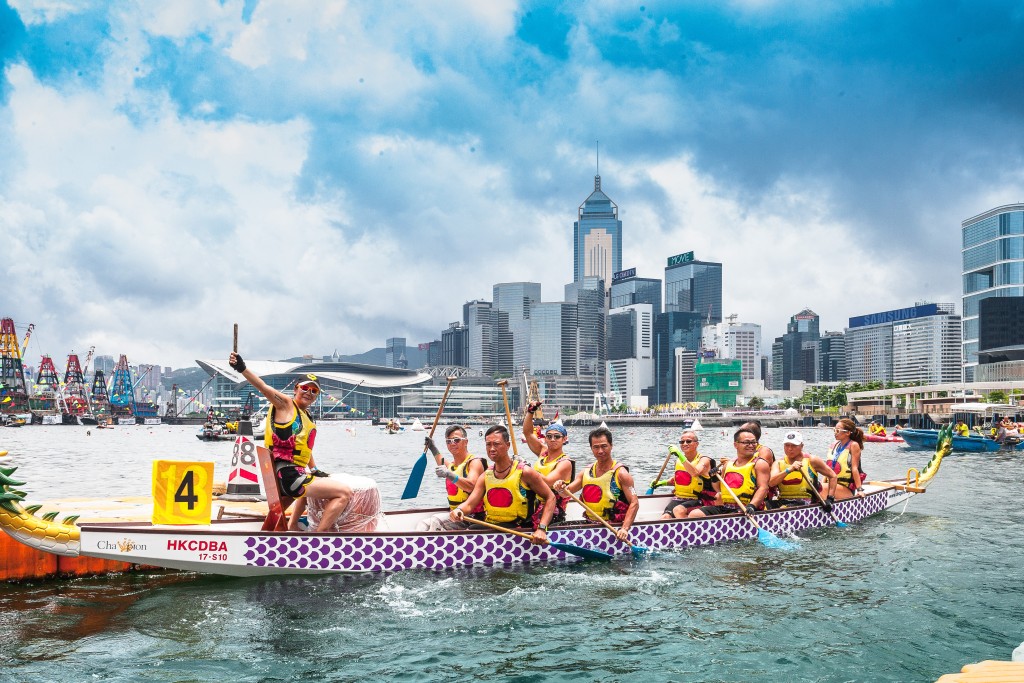
Today, that grassroots outreach has materialized into a massive network. This year's festival has drawn more than 4,500 athletes across 220 teams representing 16 countries and regions.
As international participation grew, the nature of the sport shifted from a festive pastime to a highly disciplined, technical sport.
A pivotal moment occurred in 1983 when a team from Shunde participated for the first time. Their revolutionary paddling technique, which strategically alternated between deep and shallow strokes to maintain maximum speed while conserving energy, completely blew past the competition and forced rival teams to rethink their training.
International contenders, including the Canadian team, began meticulously studying race footage from an academic standpoint to crack the physics behind the technique.
This surge in competitive drive created a pressing need for fairness and standardization. Traditional dragon boats, handcrafted from teak wood, naturally varied in weight and water absorption.
To level the playing field, the International Dragon Boat Federation established standardized fiberglass vessels in 1991.
Notably, the blueprint for these global competition boats was modeled directly after Hong Kong’s original design, earning the city's craft the nickname of the global mother boat.
Race lengths were also eventually standardized from the traditional 640-meter course used along the Tsim Sha Tsui promenade to the internationally recognized 500-meter sprint.
The evolution of dragon boating extended beyond technology to embrace social inclusivity.
Historically bound by rigid maritime taboos, women were traditionally barred from even touching a dragon boat.
When early female races were introduced, they had to compete in separate phoenix boats to avoid controversy.
The true breakthrough came in 1985 with the introduction of the International Women's Championship, which later paved the way for the highly popular mixed-gender categories seen today.
On the administrative side, the sport underwent a massive modernization push starting in 2009 under the leadership of Raymond Ma Siu-wing.
He spearheaded reforms to transition the local association into the Hong Kong China Dragon Boat Association, aligning its constitution with international sporting bodies.
Dr. Ma noted that his biggest challenge was shifting the public perception that dragon boating was merely a seasonal fisherman’s hobby.
Through massive volunteer mobilization and collaboration with emergency services, Hong Kong successfully hosted the World Dragon Boat Club Championships in 2012, proving its world-class hosting capabilities. Today, the sport has successfully transitioned into a year-round passion, with locals regularly carrying specialized dragon boat paddles on public transit just as common as tennis rackets.
With roughly 85 countries and regions now hosting their own dragon boat events, the International Dragon Boat Federation recently established its headquarters in Hong Kong.
This move solidifies the city's status as the birthplace of the modern sport.
Paddling enthusiasts frequently compare racing in Hong Kong to playing tennis at Wimbledon, noting that competing against the backdrop of Victoria Harbour’s iconic skyline offers an experience that simply cannot be replicated anywhere else in the world.
While the sport has grown into a highly institutionalized global phenomenon, organizers emphasize that Hong Kong's fishermen remain the foundational root of the sport, acknowledging that without Hong Kong's unique cultural history, the global sport would not exist in its current form today.