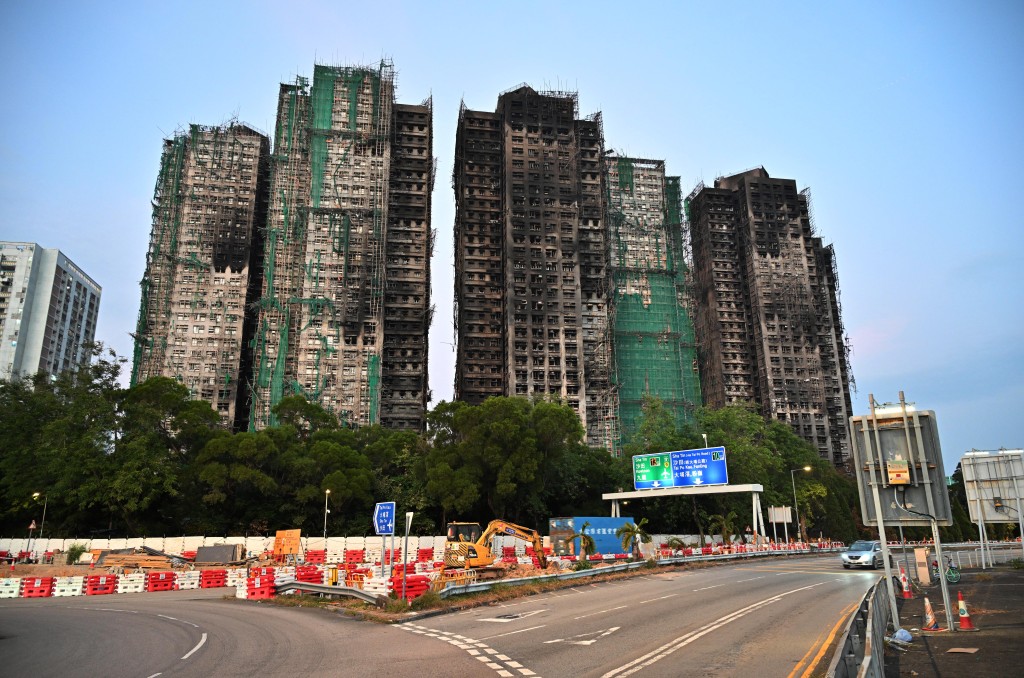
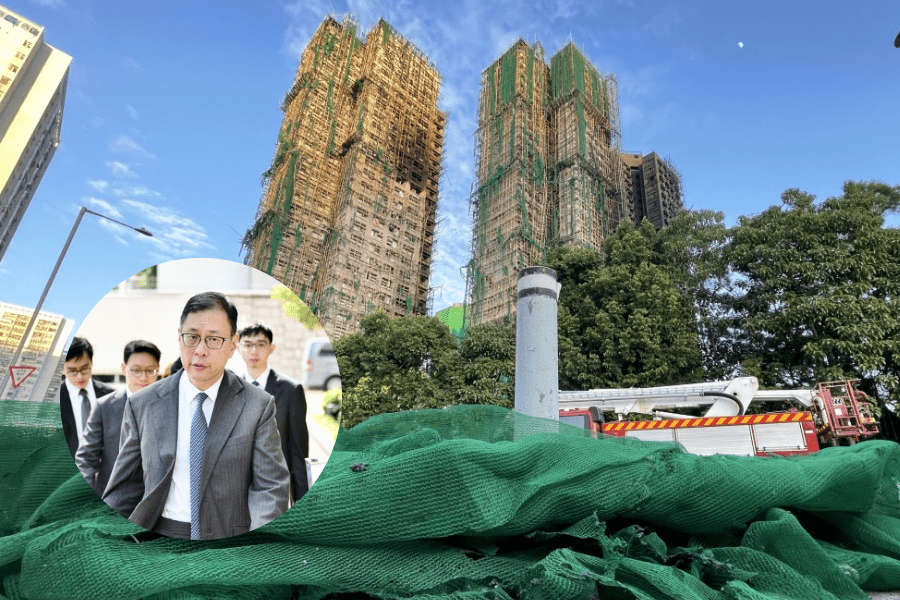
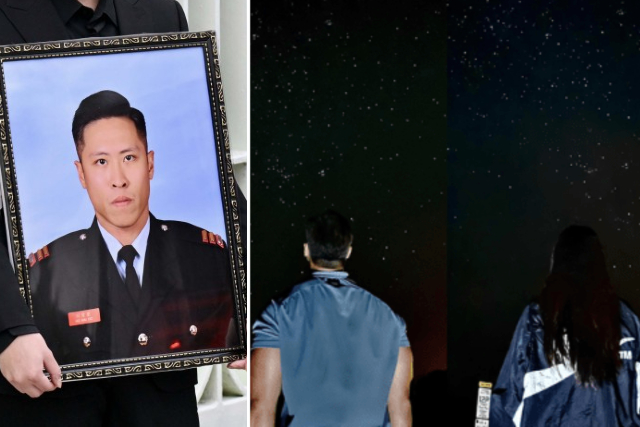
The Wang Fuk Court fire spread from the fourth to the eighth floor in just two minutes, with human factors playing a significant role in the deadly blaze, a public inquiry heard on Monday.
The evidence was presented as the fifth round of public hearings resumed in the morning, with experts examining the cause of the fire that claimed 168 lives last year.
Lam Kin-kwan, deputy head of the Fire Services Department’s interdepartmental investigation task force, told the hearing that the team followed two internationally recognized guidelines in its probe — China’s Fire Cause Investigation Guide and the US National Fire Protection Association’s Guide for Fire and Explosion Investigations.
He said the investigation covered four main areas: on-site evidence collection, material sampling, documentary and video review, and witness interviews.
Citing the investigation report, Lam confirmed that the fire originated on the first-floor platform between Units 104 and 105 of Wang Cheong House.
While witnesses gave conflicting accounts of when the fire started, ranging from 2.30pm to 2.48pm, Lam said CCTV footage suggested it began at or before 2.43pm. The first emergency call was logged at 2.51pm.
He agreed that an earlier report could have helped firefighting efforts, but stressed that many factors were involved.
Lam described the spread of the fire as “geometric” rather than “linear,” saying the blaze took only two minutes to move from the fourth to the eighth floor.
He added that investigators initially suspected a discarded cigarette butt had ignited a pile of construction materials, with heat gradually building up and accelerating the spread of the fire.
Lee Wing-man, chief chemist at the Government Laboratory’s forensic science division, said investigators had ruled out arson and electrical faults, and found no accelerants such as petrol or thinner.
However, she said several cigarette butts, some burnt down to their white filters, were found among combustible materials on the platform.
While there was no direct evidence identifying a single cause, Lee said the fire was likely caused by smoldering cigarette butts near discarded cardboard.
She added that all scaffolding mesh samples taken from the estate failed to meet fire-retardancy standards, allowing the fire to keep burning instead of self-extinguishing.
Lee also noted limitations in the on-site sampling, saying some samples were aged or damaged by fire and may not fully reflect the original condition of the materials.