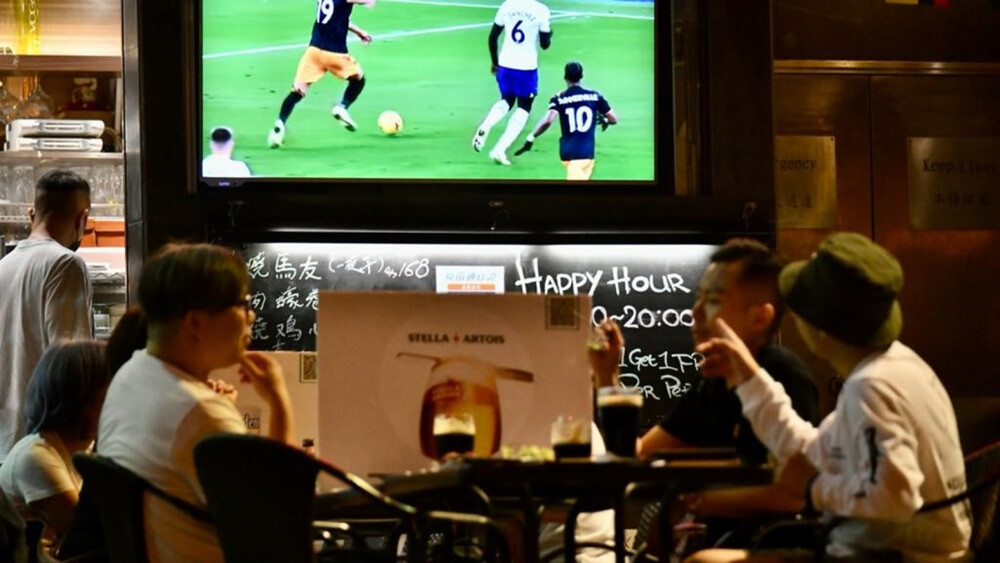
With the World Cup drawing near, illegal offshore gambling syndicates are aggressively infiltrating major social media platforms to lure young people in Hong Kong, deploying deceptive advertisements that have led many youths and their families down a path of crushing debt and bankruptcy.
According to sources familiar with illicit betting operations, syndicates are bypassing artificial intelligence content moderation on Meta platforms like Facebook and Instagram by utilizing flash advertising.
These short-lived accounts broadcast ads disguised as investment tutorials, health tips, or free entertainment before quickly shutting down and reopening under new names to evade detection.
Operators, primarily based in Southeast Asian countries such as Cambodia and the Philippines, specifically target young users by offering enticing initial credit bonuses to draw them into a cycle of addiction.
The devastating human toll on families
The devastating impact of these targeted campaigns is evident in the plight of a local couple who operate a round-the-clock newsstand to support their family.
They discovered their younger son, in his early twenties, had accrued massive debts from illegal baccarat, football, and horse racing bets.
After depleting their life savings to repeatedly clear his debts—which involved him borrowing from multiple finance companies—the parents were ultimately forced to advise their son to file for bankruptcy when debt collectors began harassing the family.
The mother noted that her son's phone was constantly bombarded with predatory loan advertisements, further fueling his gambling habits.
In another severe case, a twenty-nine-year-old man accumulated three million dollars in debt from illegal basketball betting.
He transitioned from football to NBA games due to the convenient morning broadcast times in Hong Kong, which aligned perfectly with his work schedule.
His addiction escalated to the point where he was losing hundreds of thousands of dollars in single sessions, eventually maxing out credit cards and facing aggressive debt collection.
He has since sought professional counseling and applied for bankruptcy to shield his family from further harassment.
Campuses exploited as virtual casinos
The issue also deeply affects university campuses, where students seeking free online broadcasts of football matches are frequently exposed to embedded gambling advertisements.
One university senior observed that many classmates fell into the trap, resulting in severe financial and mental distress that forced them to take on excessive part-time work at the expense of their academic performance.
The platforms effectively act as round-the-clock virtual casinos, offering a continuous stream of games like poker and mahjong alongside sports betting.
Alarming addiction trends and calls for regulation
Social service organizations are witnessing an alarming trend in youth gambling. A representative from the Sunshine Lutheran Centre reported a ten percent increase in requests for help from individuals under thirty compared to pre-pandemic levels.
More concerningly, the proportion of these young help-seekers involved in online gambling has surged from six percent in 2019 to forty-nine percent. The center even encountered a case involving a seven-year-old who stole thousands of dollars from family members to fund mobile games featuring gambling elements.
Social workers point out that syndicates constantly adapt their outreach methods, using instant messaging platforms to offer betting rebates and promotional incentives to retain vulnerable players.
In response to the growing crisis, lawmakers are urging the government to strengthen regulations on social media platforms.
Lawmaker Nixie Lam Lam has advocated for stricter oversight of online influencers who promote illicit gambling under the guise of gaming or investment opportunities.
Meanwhile, lawmaker Duncan Chiu Tat-kun has highlighted the lack of legal frameworks governing platform liability in Hong Kong, suggesting the introduction of cybersecurity legislation similar to frameworks in mainland China and the United Kingdom to compel tech giants to rigorously screen advertising content.
Meta response
According to internal Meta documents cited by Reuters in November of the same year, it was revealed that up to ten percent of the company's annual revenue—approximately AUD$16 billion (approximately HK$125 billion)—comes from non-compliant advertisements, including scams and offshore gambling. Within this category, fraudulent advertisements alone account for about AUD$7 billion (approximately HK$54.4 billion) in revenue.
In an official statement, Meta emphasized that its Community Standards and Advertising Standards clearly outline what content is permitted and prohibited on its platforms, adding that it enforces strict rules on online gambling and gaming ads and will immediately remove any violating content upon detection.
Addressing a Reuters report alleging that 10.1 percent of Meta's ad revenue stems from non-compliant advertisements, the tech giant clarified that this figure was merely a rough, overly broad estimate rather than definitive data, noting that subsequent reviews revealed many of the flagged ads did not actually violate any rules.
The company explained that the initial assessment was meant to validate its planned investments in platform integrity—including efforts to combat fraud and scams—which have since been implemented.
Moving forward, Meta pledged to continuously optimize its review mechanisms, aggressively crack down on illegal offshore gambling promotions, and collaborate with all sectors of society to foster a healthier online environment.
(Updated at 8.14pm)