Read More




HK-born adult star Erena So's ads on offshore gambling site removed
24-06-2026 18:36 HKT
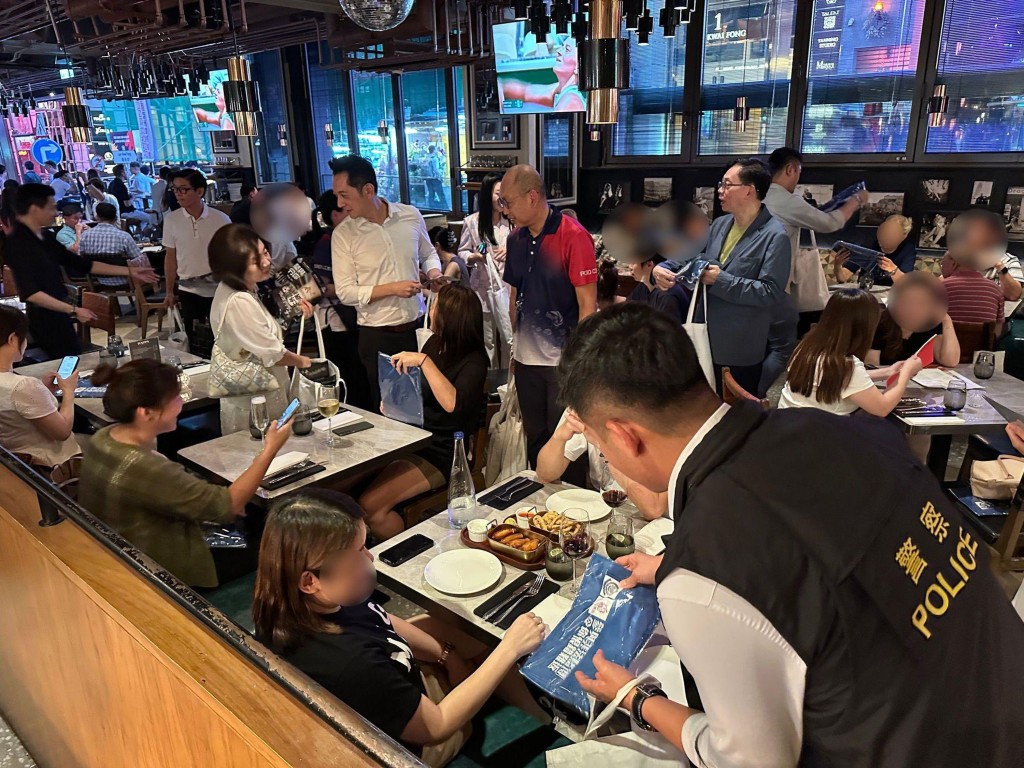


Police launch anti-illegal gambling operation ahead of World Cup
08-06-2026 04:25 HKT









Illegal betting has surged in recent years, with Hong Kong police dismantling two online syndicates in recent months that promoted unlawful wagering and recruited puppet accounts to launder illicit funds. An investigation by East Week magazine, a sister publication of The Standard, revealed that these syndicates not only drain gamblers’ finances through underground betting but also operate a sprawling “black money network” behind the scenes.
This network spans online fraud, loan sharking, cryptocurrency laundering, and even human and drug trafficking. Experts warn that emerging prediction market platforms could become new channels to lure gamblers, effectively turning them into financiers of criminal enterprises.
With the World Cup kicking off in June, illegal betting activity is surging. Over the past three months, police have cracked down on two syndicates promoting unlawful gambling and laundering proceeds through puppet accounts. Last month, officers raided an industrial building in Cheung Sha Wan, uncovering a triad-controlled online betting hub. Operating since October, the center recruited gamblers and promoted websites
offering football betting, horse race betting, live baccarat, blackjack, and Texas hold ’em. At least 520 gamblers were involved, with wagers exceeding HK$180 million.
Chief inspector of the Yuen Long District Crime Squad Kenneth Cheung said syndicate members used social media to post “exclusive tips,”insider information, and gambling analyses, while flaunting luxury cars, watches, and stacks of cash to attract followers. They claimed to have won the money through gambling, attaching suspectedly doctored betting and transaction records, while simultaneously directing people to click links to illegal sites.
Earlier this year, a large‑scale enforcement operation dismantled multiple fraud syndicates over three weeks, including one group that recruited puppet accounts to launder proceeds from illegal online betting.
Acting chief inspector of the Financial Intelligence and Investigation Bureau Tuen Yukhang said the ringleader funneled criminal gains through layers of puppet accounts. From January 2024 to November 2025, the ring used 21 local accounts to launder some HK$32 million. On January 22 this year, police arrested five men and one woman aged 26 to 43 on suspicion of conspiracy to launder money, seizing HK$400,000 in cash, 30 mobile phones, two computers, a luxury watch, and 11 identity cards belonging to others. Police statistics showed that in the first 11 months of 2025 alone, 4,289 puppet account holders were arrested, accounting for more than 90 percent of all money‑laundering arrests. Syndicate leaders often instructed account holders to withdraw cash using bank cards provided by unknown individuals, then convert the cash into cryptocurrency at virtual asset exchanges to mask its illicit origins.
Illegal betting has grown into a vast underground industry, with global wagers estimated at HK$13 trillion annually. Research by the Asian Racing Federation found Hongkongers lost at least HK$15 billion to underground bookmakers in 2023, with losses rising. Police arrested 49 people linked to illegal betting last year. An insider revealed that many bookmakers are tied to international crime groups, which also profit from large-scale fraud parks across Southeast Asia.
These crime groups’ “black money networks”extend to online scams, loan sharking, crypto laundering, human trafficking, and narcotics. The insider noted that victims are lured with promises of high-paying overseas jobs or trafficked outright into fraud parks, where they are forced to learn romance scam and financial fraud techniques. Some gamblers in debt are coerced into working there, with the syndicates squeezing their “remaining value.”
Asian anti-crime organizations report that one illegal platform controlled by overseas bookmakers can involve multiple types of fraud and loan sharking. More than 20,000 arrests and 14,000 illegal casino shutdowns have occurred, with sums reaching US$7.3 billion (HK$56.94 billion).
Since 2023, cross-border crime groups in Myanmar have been dismantled, including the Bai, Liu, Wei, and Ming families entrenched in northern Kokang. Their total illegal profits amount to at least 60 billion yuan (HK$68.89 billion). The Bai family’s biggest profits came from illegal online casinos, yielding 18 billion yuan, enabling them to construct two massive fraud compounds in northern Myanmar.
Prediction markets seen as new channel for illegal betting
Meanwhile, prediction market platforms popular in the United States are seen as potential new channels for underground betting. Hong Kong’s Legislative Council passed the Betting Duty (Amendment) Bill last September to license basketball betting, but rollout has been delayed to study prediction markets’ impact. An authoritative source within the Hong Kong Jockey Club disclosed that, after the government halted plans to expand betting, the club redirected infrastructure funds toward upgrading its football betting system in a bid to counter the illegal market.
“Both HKJC and the government are concerned about this trend and the rise of prediction markets,” the source said.
It is understood that the Jockey Club has already hired 180 staff for the basketball betting project, investing HK$600 million to build a basketball wagering system and another HK$1.4 billion to develop a new football betting platform.
HKJC currently plans to first develop its basketball betting product to the pre‑trial stage, ensuring dedicated research and development costs are not wasted. Once the necessary license is secured, the system could be launched within three to six months. Following that, the club intends to roll out a more competitive, fully upgraded football betting platform, designed to strengthen its position against the illegal market.
The source cautioned that while the club can currently absorb the financial impact, failure to secure the necessary licenses could lead to losses exceeding HK$2 billion annually from the third year onward. Moreover, if the special additional football betting tax of HK$2.4 billion per year – set to expire in 2027-28 – is not lifted or is even replaced by a higher rate, HKJC’s charitable donations to NGOs could be significantly reduced, undermining public welfare.