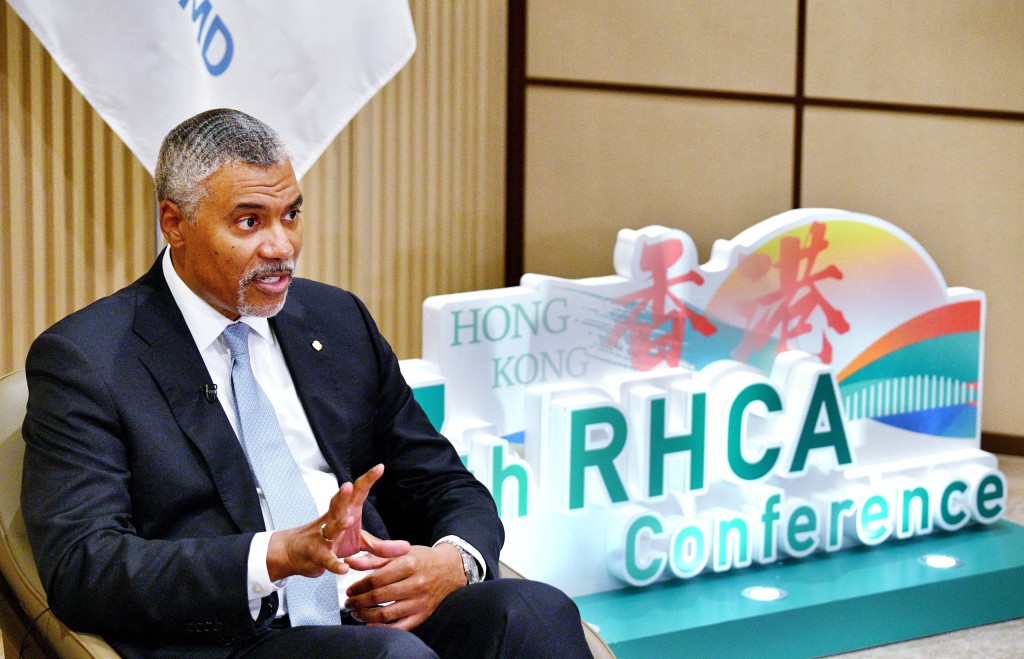
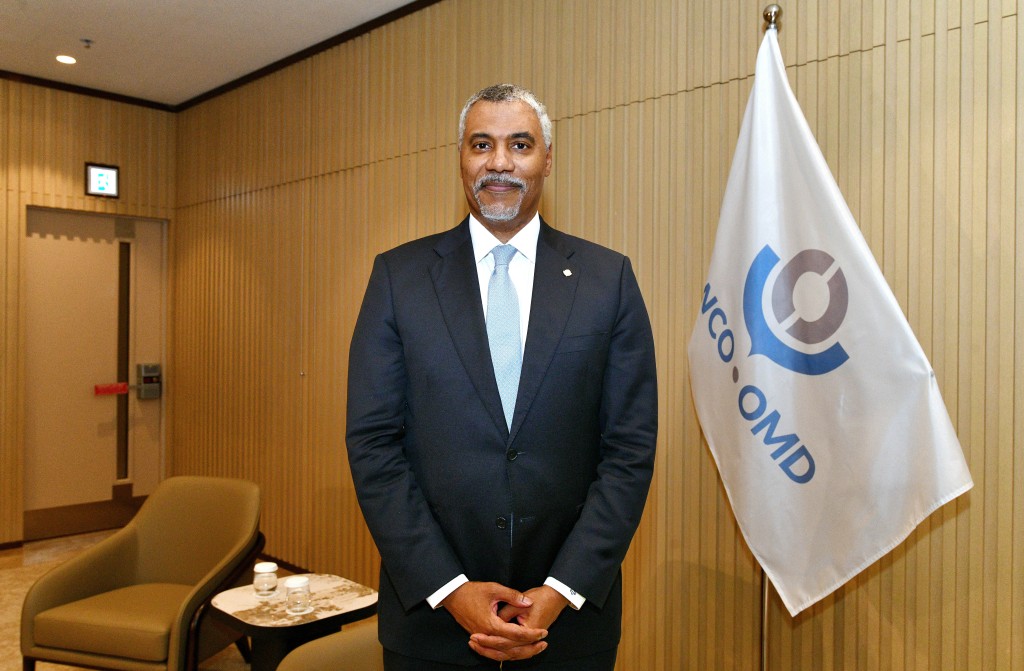
The global customs community is working to make trade more efficient and crack down on environmental crime as part of a broader sustainability agenda, according to Ian Saunders, Secretary General of the World Customs Organization.
Customs work is often associated with officers scanning cargo or stamping forms. Yet beyond these visible “front desk” functions, customs authorities also serve to keep trade flowing smoothly and legally.
Leading the only intergovernmental body dedicated exclusively to customs matters, Saunders explained that moving goods through the international trading system consumes enormous amounts of energy, fuel, time, and money.
He noted that customs can play a pivotal role in reducing waiting time at land and sea borders by securing accurate information and applying targeted decisions. Saunders pointed out that when customs determinations are made before goods even arrive, the only time required for goods transport is for the physical movement itself.
“There is no delay because of us,” he said. “And when you aggregate those sorts of faster movements, the savings are incredible.”
(Photo by Kennedy Ho)
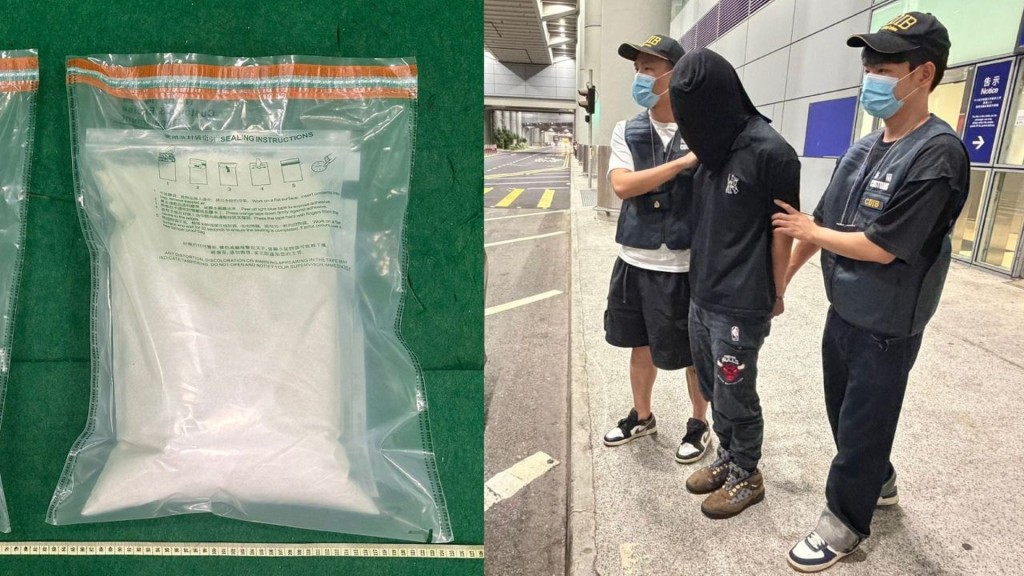
Saunders added that organized criminal groups are exploiting natural resources in vulnerable regions, profiting by moving them from source countries to international markets. He emphasized that identifying how customs can intervene and enforce measures effectively to curb the illegal trade in environmentally sensitive goods is an equally important aspect.
Beyond sustainability, Saunders raised concerns about artificial intelligence being misused to fuel cybercrime.
Because customs relies on accurate information to assess risk, he stressed that authorities must secure reliable, clean data to make proper determinations – essential not only for managing shipments but also for collecting revenue and facilitating legitimate trade.
To address transnational crime trends, the WCO leverages its role as a convening authority for 187 member administrations, fostering dialogue and enabling cooperation to secure the global trading system.
“By creating high-level international standards, we create more consistency, which makes the dialogue easier between customs,” Saunders said.
The organization also supports tactical intelligence sharing through automated platforms such as the Customs Enforcement Network, which compiles enforcement actions across its membership.
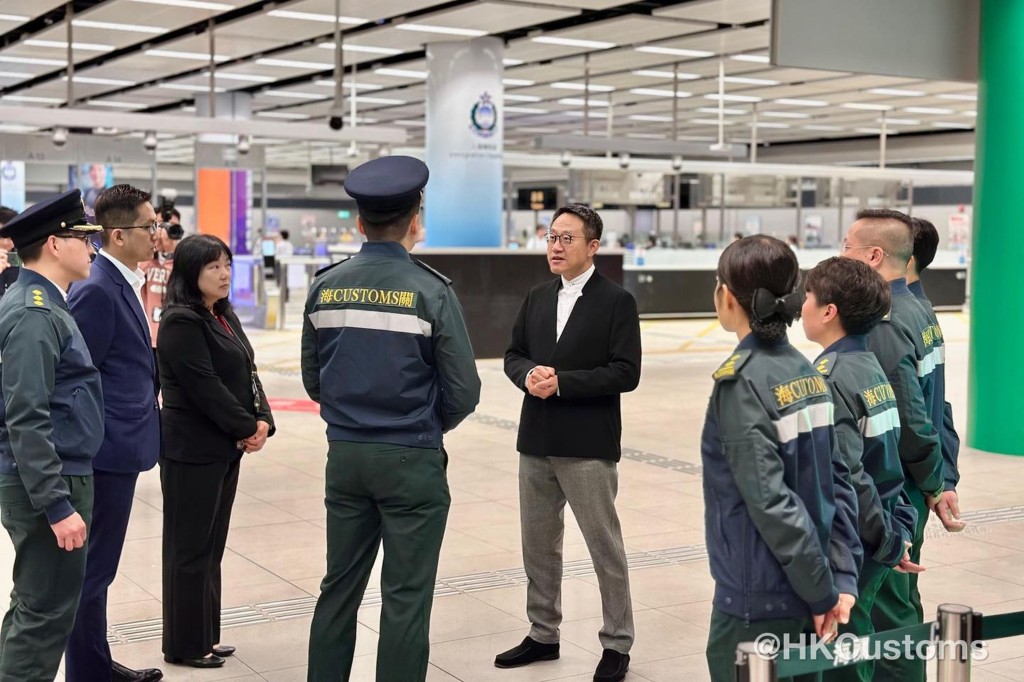
Saunders highlighted Hong Kong’s important role as one of the WCO’s six regional vice chairs, serving as a vital communication bridge between the headquarters in Brussels, Belgium and the diverse Asia Pacific region.
Saunders highlights Hong Kong’s critical role in formulating the region’s strategic plan aligned with the WCO’s global framework.
He noted that the region has developed a strategic plan aligned with the WCO’s global framework but tailored to local needs.
“The vice chair of Hong Kong is critical to formulating that plan, monitoring performance against that plan, and reporting on its results,” he said, pointing to Hong Kong’s coordination of collective action on e-commerce, supply chain security, and technological applications.