
Read More
Hong Kong's planned university towns in the Northern Metropolis will prioritize innovation, industry collaboration, and shared campus facilities, marking a strategic shift away from traditional campus expansions and purely theoretical academic pursuits.
ADVERTISEMENT
SCROLL TO CONTINUE WITH CONTENT
A triple-site development strategy
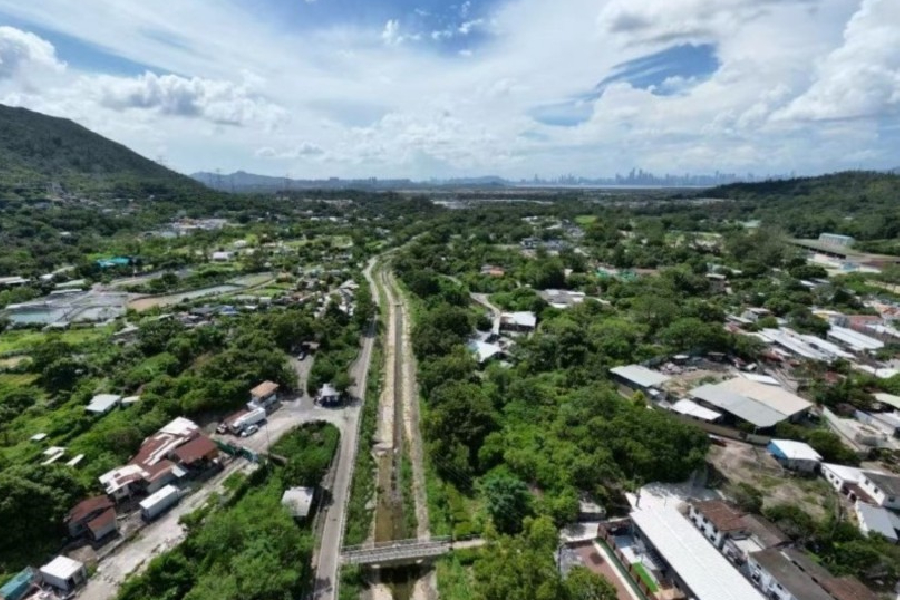
The ambitious Northern Metropolis project will feature three university towns spanning a total of approximately 100 hectares across Hung Shui Kiu, Ngau Tam Mei, and the New Territories North New Town.
Site formation for the nine-hectare Hung Shui Kiu location is expected to be completed in about six months. The Ngau Tam Mei site will be the largest of the three, while the New Territories North location will be the last to finish land leveling.
Selecting for innovation and industry ties
With interest in the new sites extending beyond the city's eight publicly funded universities to include private and post-secondary institutions, the government has outlined specific selection criteria.
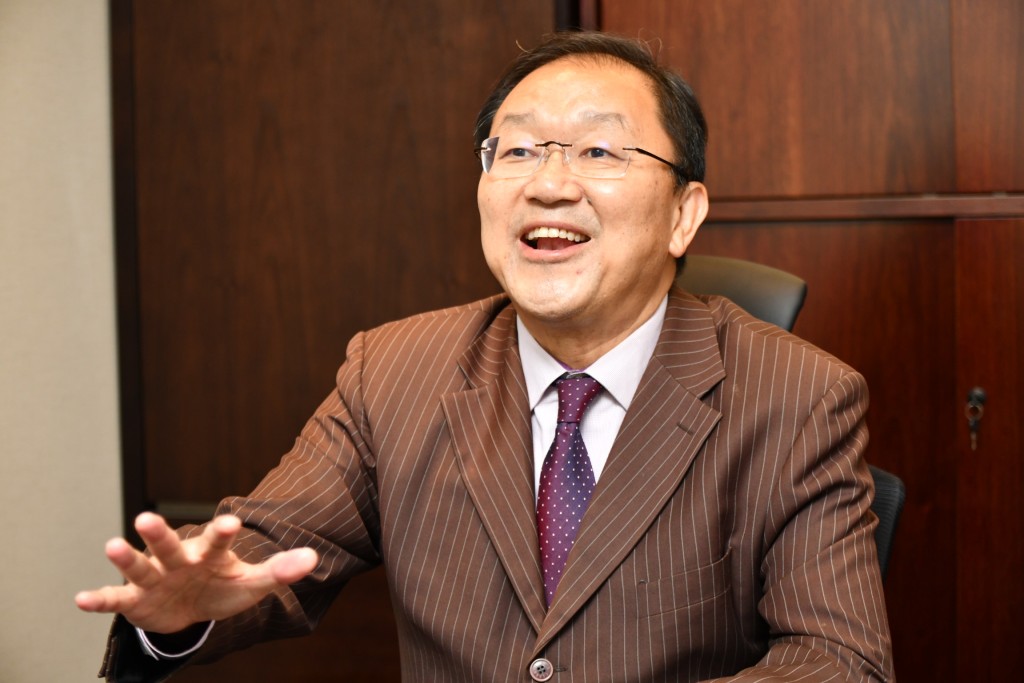
Chief Secretary for Administration Eric Chan Kwok-ki, who leads the university town planning and construction team, explained that institutions focusing on innovation, technology, and the integration of academic research with industry will be favored.
Furthermore, universities that establish partnerships with overseas institutions or secure collaborative agreements with major international and mainland enterprises will be given distinct advantages in the selection process.
Chan emphasized that the new development is not intended simply to provide space for existing universities to expand their traditional campuses.
The government actively discourages the establishment of purely theoretical programs within the university towns.
Addressing concerns that this technology-heavy approach might disadvantage humanities-focused institutions, Chan clarified that while humanities programs will not be entirely banned, the overarching strategic direction must align with Hong Kong's broader economic goals.
The primary objective is to merge local scientific research with mainland industries to attract large tech enterprises, a specific goal that humanities subjects are less equipped to fulfill.
Maximizing efficiency through shared facilities
Following recent fact-finding missions to university towns in mainland China and South Korea, Chan proposed adopting a model centered on shared resources to maximize land use efficiency.
Moving away from the traditional model where each institution operates completely independently, the new university towns will feature shared amenities such as libraries, lecture halls, and laboratories.
To accommodate a larger student population and extensive research equipment, campus buildings in these new zones are expected to be constructed taller than standard university structures.
Focusing on infrastructure and connectivity
Regarding the overall design of the precincts, Chan noted that the university towns will not need to be built as fully self-contained communities with extensive internal commercial and living amenities.
Because they will be situated in close proximity to existing residential areas, the government will instead focus its resources on ensuring robust foundational infrastructure and comprehensive public transportation connections.