






Read More












Pakistani teacher charged over nude selfies sent to Form One student
02-06-2026 14:59 HKT

Authorities make contact with parents of newborn without birth certificate
02-06-2026 13:28 HKT


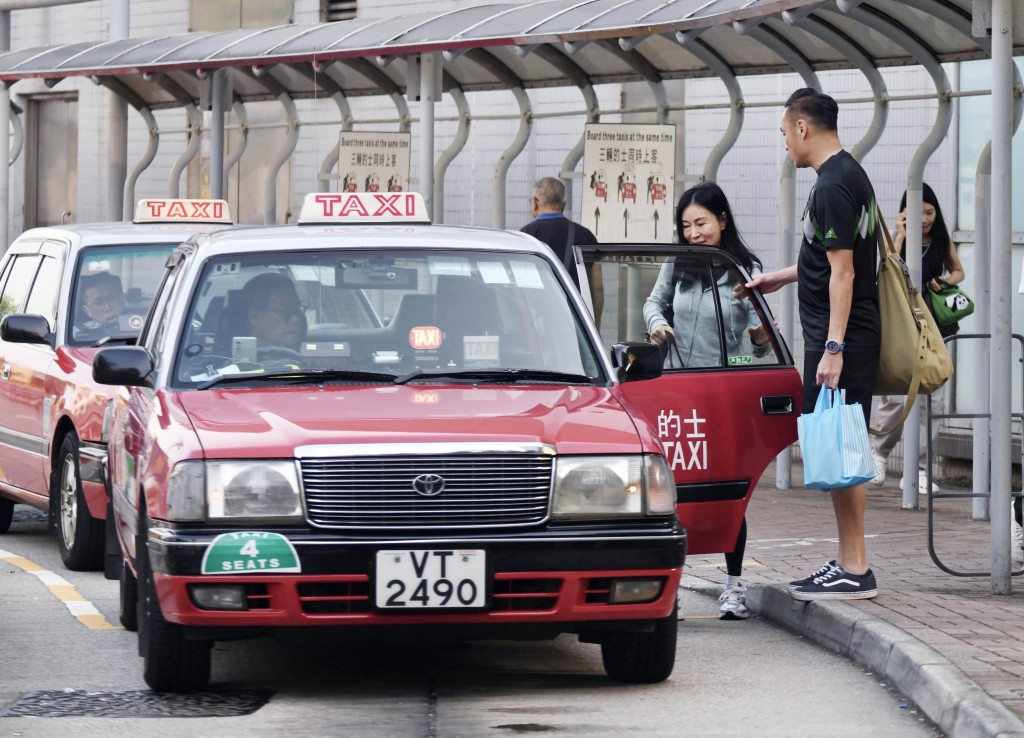
Following more than a decade of friction between traditional taxis and digital platforms, the Hong Kong government is moving forward with a comprehensive regulatory framework for ride-hailing services.
The initiative aims to legalize the sector by late 2026 while balancing the interests of passengers, drivers, and the existing taxi industry through a system of controlled licensing and dynamic market assessments.
The push for reform comes after years of legal ambiguity surrounding private car-hire services, which often led to tensions between app-based drivers and the taxi trade.
To address growing public demand for diversified transport options, the Legislative Council passed an amendment bill in October 2025.
This legislation paves the way for a formal regulatory system, with authorities currently drafting the specific technical details and permit conditions required for platforms to operate legally starting in the fourth quarter of this year.
Central to the government's strategy is a "people-oriented" approach that prioritizes safety and service quality. Rather than allowing an unrestricted number of vehicles, officials intend to implement a total quantity control system.
This involves regular assessments of market demand and operational data to determine how many licenses should be issued at any given time.
A study by a consulting firm reveals that Hong Kong sees an estimated 880,000 daily passengers using taxis and ride-hailing services. The research, conducted between 2024 and 2025, found that taxis account for about 78 percent of these trips, serving roughly 690,000 passengers, while ride-hailing services make up the remaining 22 percent, with around 190,000 users each day.
The study also highlights that ride-hailing services, which average 1.67 passengers per trip, provide approximately 114,000 individual trips daily. Despite their popularity, ride-hailing vehicles typically operate around six hours a day—just a third of the average taxi's 18-hour service window, indicating a significant difference in operational capacity between the two sectors.
The question of exactly how many licenses to issue has sparked a heated debate among stakeholders. Mainstream opinions suggest a range between 10,000 and 15,000 permits, a figure supported by several transport experts who believe this would be a responsible starting point to meet daily demand, especially given that many ride-hailing drivers only work part-time.
However, some taxi industry representatives have argued for a much smaller cap of just two or three thousand vehicles, expressing fears that a larger fleet would lead to overcapacity and devalue existing taxi licenses.
Critics of the taxi industry’s stance point out that some trade leaders hold significant numbers of taxi licenses themselves and may be more concerned with protecting their investments than improving service for the public.
They argue that the traditional trade has long struggled with issues like overcharging and refusing fares, and that healthy competition is necessary to drive overall improvements.
Conversely, major ride-hailing platforms have petitioned for up to 30,000 licenses, warning that anything less would result in long wait times and sharply higher fares for commuters during peak hours.
Transport experts said that while it is not surprising for ride-hailing companies to champion their own interests, some of their claims are considered "alarmist." They noted that Hong Kong's long-standing free market principles allow supply and demand to naturally adjust within the transport sector.
“The government’s role is balancing the interests of all parties, taking into account citizens' needs, travel experience, and the impact on road resources and the broader public transport ecosystem. With Hong Kong's extensive public transport network, it is believed that ride-hailing services are unlikely to have a negative effect on the general public.”
Globally, ride-hailing has become increasingly prevalent, with cities such as New York and London seeing taxi-to-ride-hailing ratios as high as 1:10 and 1:6.5, respectively.
In Asia, Shenzhen and Singapore report ratios of 1:5.9 and 1:4.5. In comparison, if Hong Kong were to issue licenses as proposed, the city would maintain a relatively balanced ratio of about 1:1, with 18,000 taxis and an anticipated 15,000 ride-hailing vehicles—a figure experts say offers a reasonable starting point for regulation.
By establishing an orderly framework, the government hopes to modernize the city’s transport landscape, make it easier for citizens to hail rides, and create more opportunities for new drivers to enter the industry. The ultimate goal is to foster a "triple win" scenario that benefits passengers, digital platforms, and the traditional taxi sector alike.