





Read More



Morning Recap - May 7, 2026
9 hours ago

Night Recap - May 6, 2026
17 hours ago

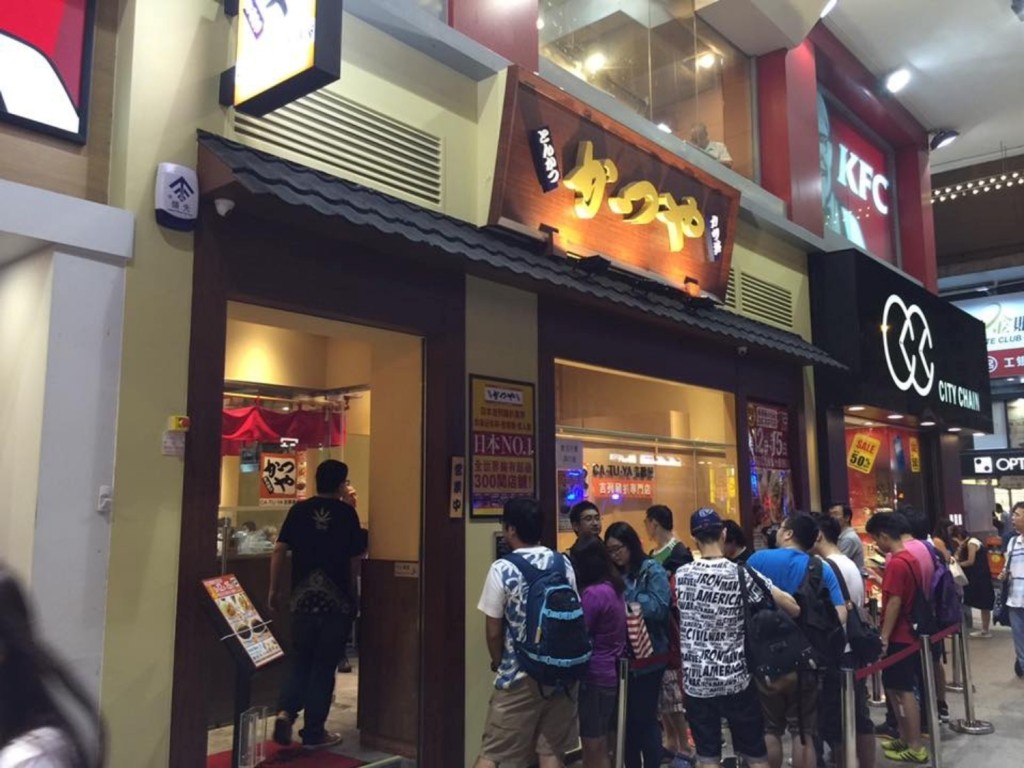
Tonkatsu chain Ca-Tu-Ya goes dark across Hong Kong, exit suspected
05-05-2026 16:48 HKT
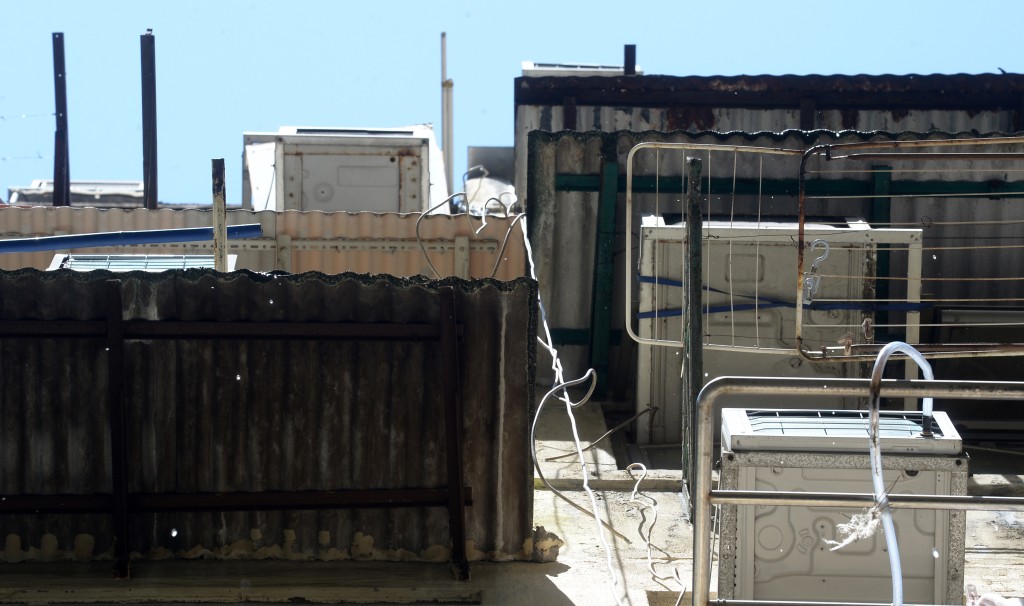
The Food and Environmental Hygiene Department will roll out a large-scale operation from this month through September to combat dripping air conditioners, deploying artificial intelligence to target up to 500 problem locations across the city.
Speaking on a radio program on Thursday, assistant director of operations Wan Chi-shun said more than 300 priority locations have been identified, many in older districts where dripping is more severe. Among them, 40 to 50 sites are affecting commuters waiting at bus stops.
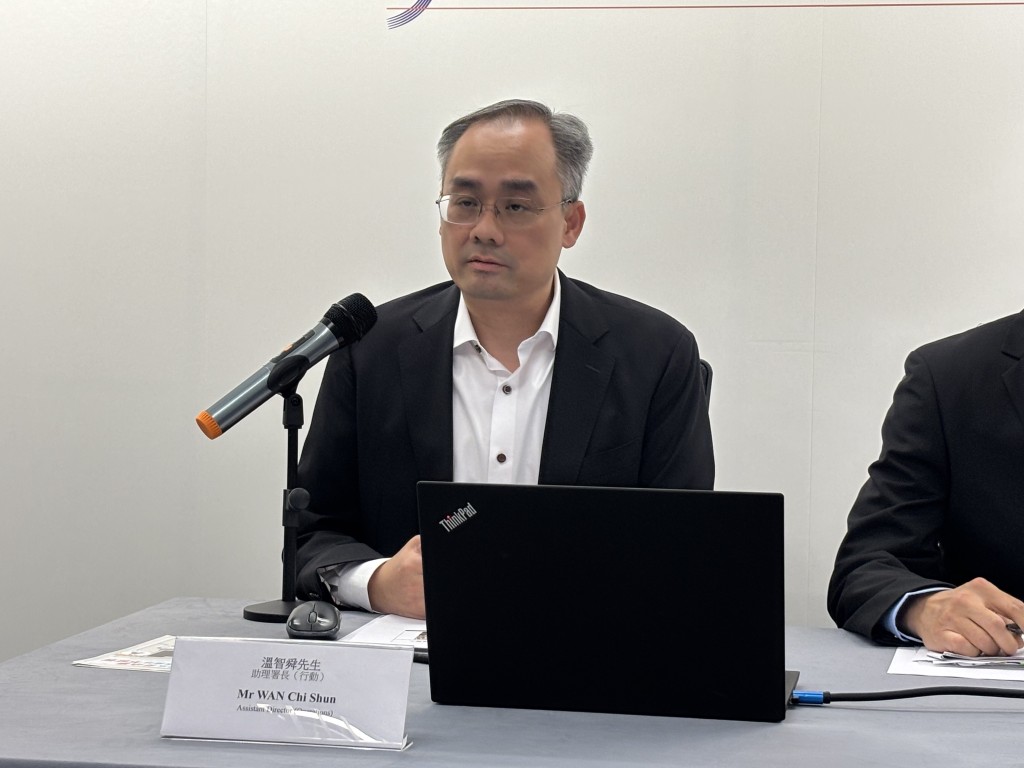
He said these cases are often found in older buildings without proper drainage pipes for air conditioners and facing busy streets.
To address the issue more effectively, he said the department will continue a manpower deployment strategy introduced last year, allocating around 70 percent of staff to nighttime operations and 30 percent to daytime work to match peak dripping periods.
More than 300 health inspectors will be assigned to handle air conditioner dripping complaints during the summer. Wan added that if conditions improve at certain locations, staff will be redeployed to other affected areas.
He added the department could handle up to 500 such hotspots over the course of the year under the enhanced enforcement strategy.
The latest system incorporates AI image recognition and infrared night-vision technology, allowing officers to detect dripping from a distance and accurately identify the source.
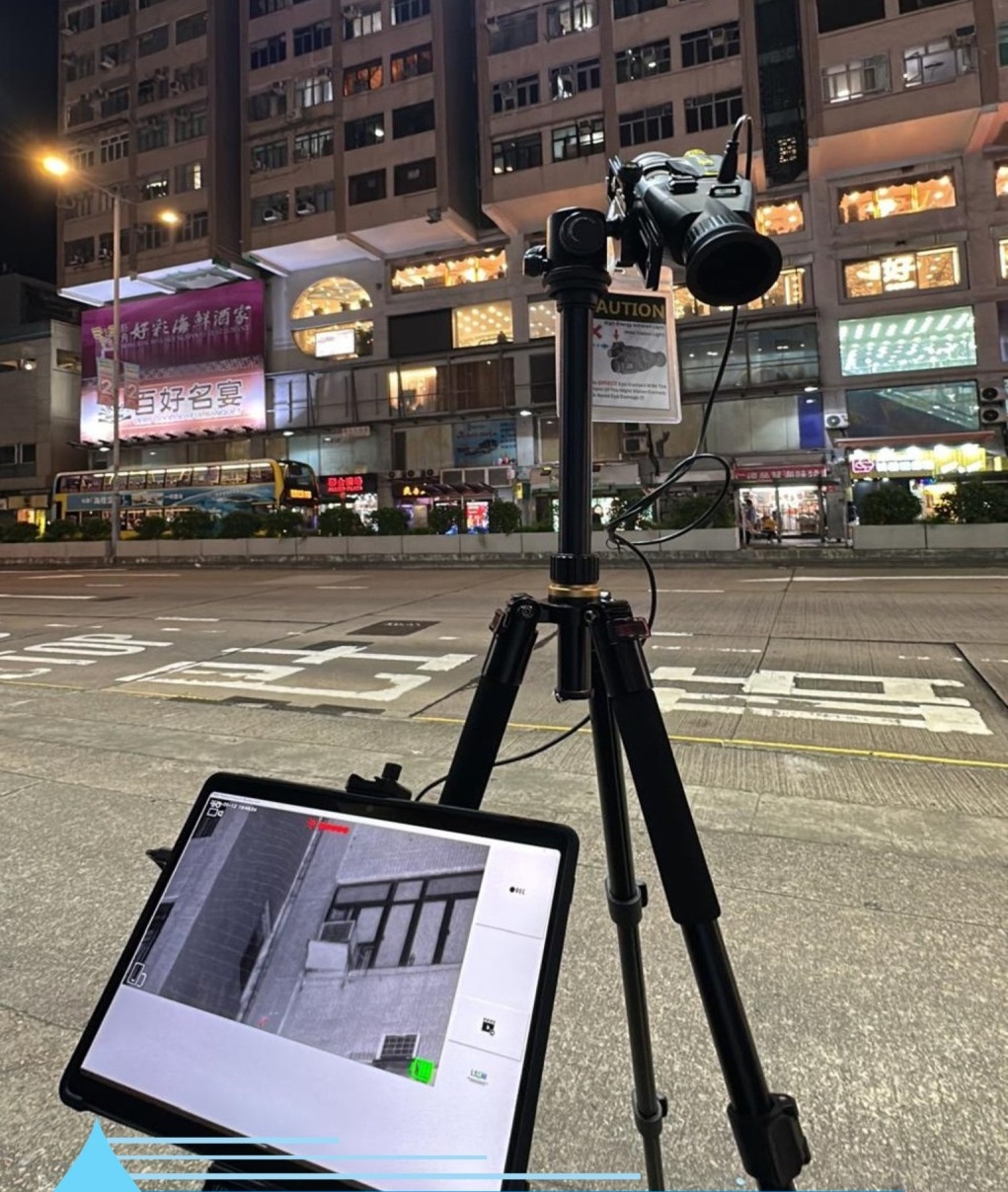
Equipment can be set up across the street from a target building, enabling detection of dripping from units as high as the 40th floor, significantly reducing the time previously spent on visual inspections.
Wan said the enhanced system has already delivered results. In 2023, about 3,000 dripping units were handled. After the introduction of the system in summer 2024, the number more than doubled to over 6,600 cases, rising further to more than 8,600 in 2025 — nearly three times the 2023 figure. All 19 districts are now equipped with the upgraded system.
The department is also exploring more advanced technologies, including integrating 3D geospatial data to enable automatic identification of the exact floor and source of dripping units.
Meanwhile, Wan said a citywide publicity campaign has been underway since April to encourage residents to address dripping issues early.
The department has been working closely with property management companies to distribute leaflets and display posters in buildings, while also setting up street booths in busy areas to promote proper air conditioner maintenance and urge timely inspections before the summer season, he said.
𝗗𝗼𝘄𝗻𝗹𝗼𝗮𝗱 𝗧𝗵𝗲 𝗦𝘁𝗮𝗻𝗱𝗮𝗿𝗱 𝗔𝗽𝗽 ↓
