Read More








Night Recap - June 22, 2026
8 hours ago




HK's transport system enters a new phase
23 hours ago

2-month-old Danny hospitalised with fever, parents allowed to stay overnight
22-06-2026 04:08 HKT


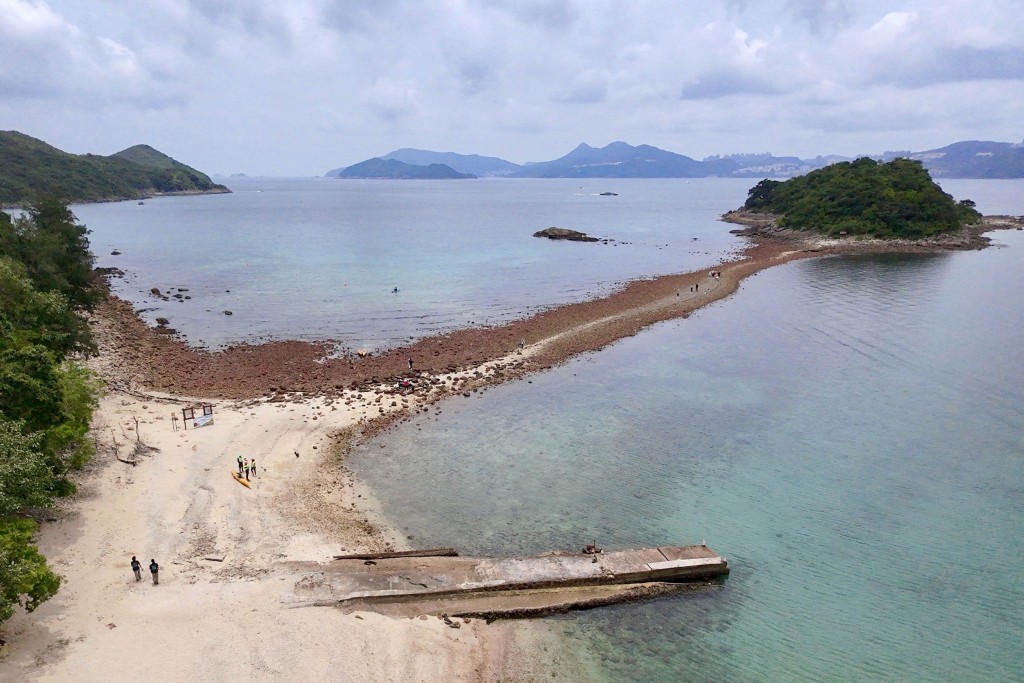
Authorities will step up monitoring and conservation measures at Sharp Island during the upcoming Labour Day Golden Week, but environmental group Greenpeace has questioned whether the approach will be effective, describing it as lacking deterrence.
The Agriculture, Fisheries and Conservation Department said it expects daily visitor numbers to reach around 1,000 at the Sai Kung hotspot, which has grown increasingly popular among Mainland tourists in recent years.
In response, the department will deploy additional staff to the island, introduce drone patrols, and strengthen educational outreach and coral-friendly measures to manage the anticipated crowds.
Greenpeace welcomed the government’s acknowledgment of past issues at the site but said the measures lacked legal enforceability and sufficient deterrent effect, calling them a “toothless tiger” in the face of large visitor flows and environmentally damaging behavior.
The group also raised concerns over the absence of data on the island’s environmental carrying capacity, warning that without such research, it would be difficult to assess the impact of growing tourist numbers on the ecosystem.
It said the increase in manpower appeared to be a temporary solution that would not address longer-term pressures, particularly with the peak season for water-based activities approaching.
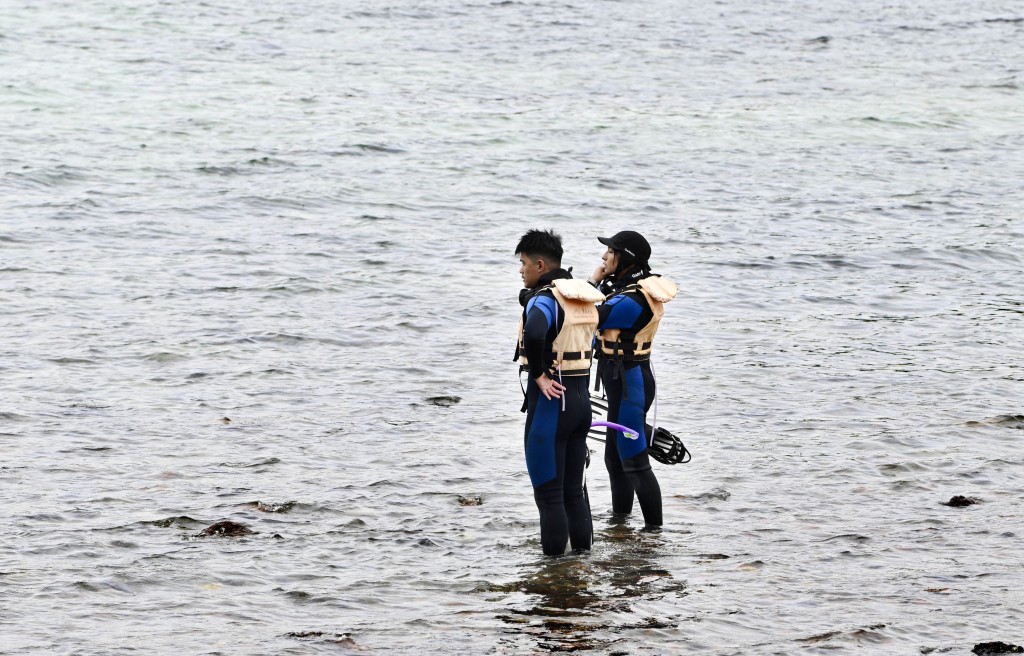
Greenpeace reiterated calls for the government to include Sharp Island and other ecologically sensitive areas within statutory protection zones, and to provide a timeline for the establishment of a marine park at the site.
The group also urged authorities to accelerate studies on visitor capacity limits and to disclose progress on long-term management strategies for popular countryside destinations, saying delays were no longer acceptable.
The Culture, Sports and Tourism Bureau, which promotes eco-tourism, was also urged to strengthen public education efforts during the holiday period and to work with the Environment and Ecology Bureau on a conservation-led tourism strategy.
𝗙𝗼𝗹𝗹𝗼𝘄 𝘁𝗵𝗲 𝗰𝗼𝗺𝗺𝘂𝗻𝗶𝘁𝘆 𝗼𝗳 𝗧𝗵𝗲 𝗦𝘁𝗮𝗻𝗱𝗮𝗿𝗱↓