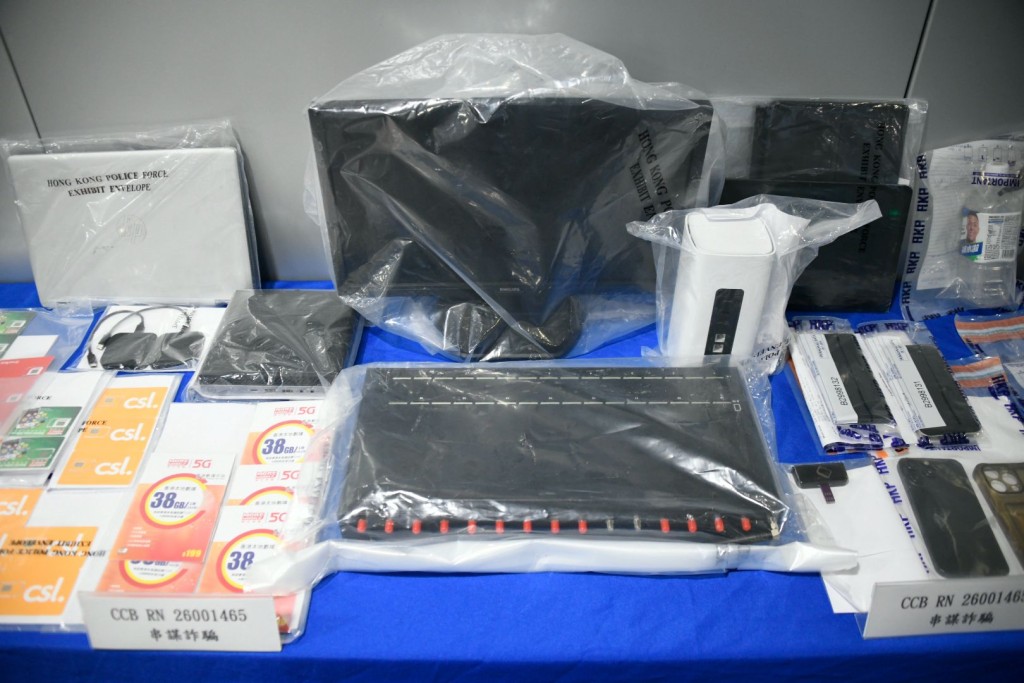
A trading firm worker fears losing his job after an impersonation scam saw HK$8 million in company funds sent to fraudsters, according to Sing Tao Probe, a sister publication of The Standard.
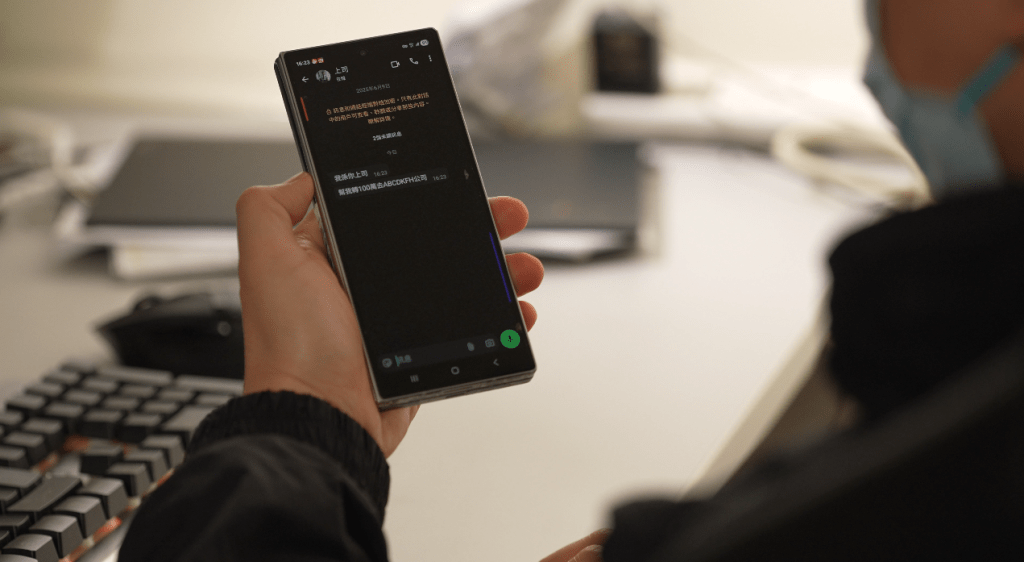
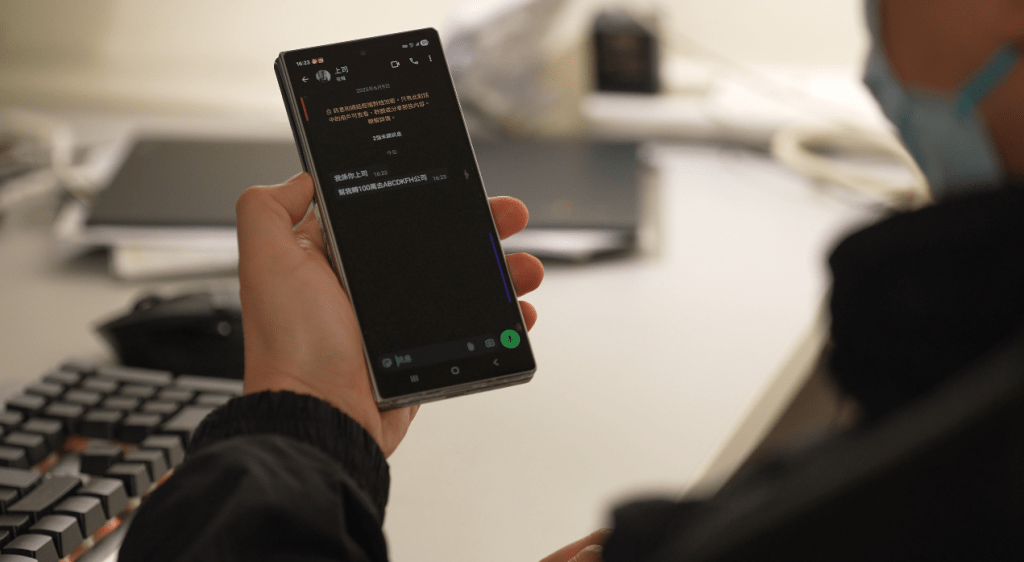
He fell for the scam in January after receiving messages that appeared to come from his boss’s account.
The worker, who handles company remittances, had just made a legitimate US$5 million (HK$39 million) transfer when the fraudsters struck. Believing he was acting on direct instructions, he made eight transfers totaling HK$8 million to multiple bank accounts.
The ruse was uncovered only when the swindlers demanded a further HK$20 million. He then checked with his boss in person and discovered the messages were fake.
“The loss equals the company’s annual revenue,” he said. “I’m afraid I’ll lose my job.”
Police figures show that while WhatsApp account hijacking cases dropped 34.5 percent to 1,669 last year, total losses soared to HK$240 million in 2025 — a 2.3-fold increase from HK$73 million in 2024.
In a separate case, a part-time logistics worker lost HK$18,000 after a scammer posing as a female friend asked for help with “moving expenses.” The friend later said her account had been hacked after she clicked a suspicious online shopping link.
Police warned that scammers are using phishing ads to lure users to fake WhatsApp Web pages. Once victims scan a QR code, hackers can seize control of their accounts.
Authorities urged the public to verify requests by phone before making transfers and to enable two-step verification.