





Read More





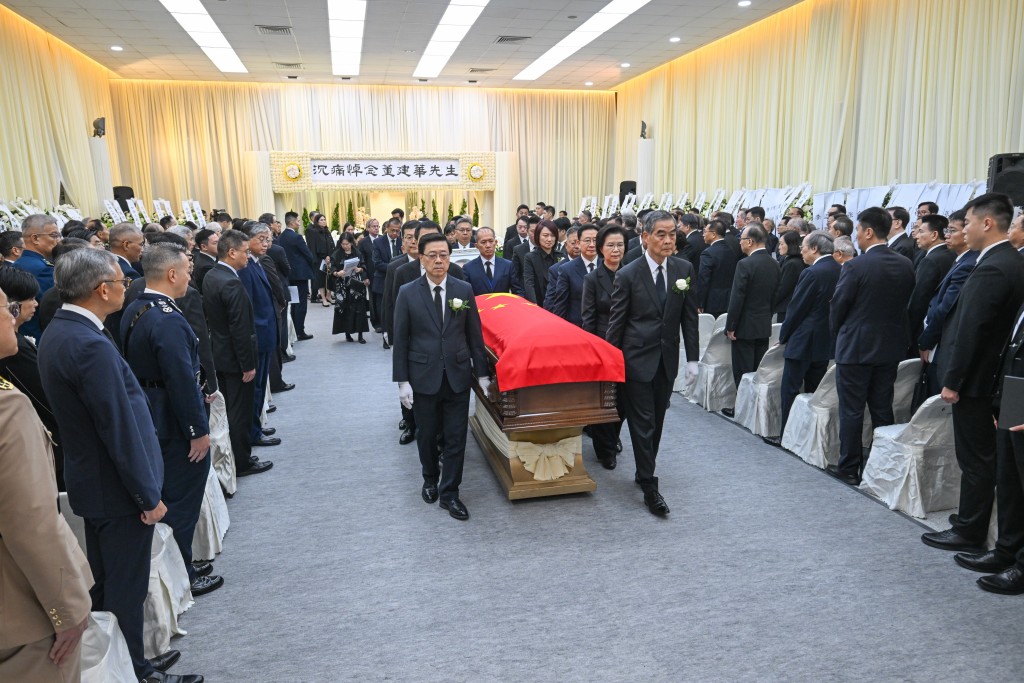
John Lee and CY Leung lead pallbearers for Tung Chee-hwa
20-09-2026 15:54 HKT


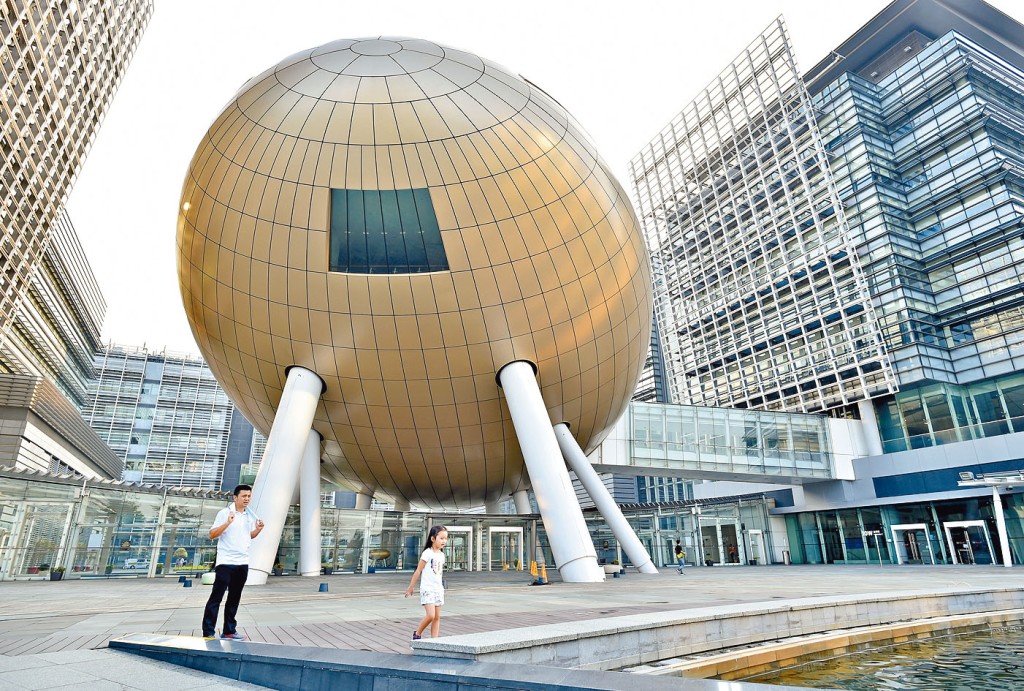
Hong Kong is establishing a major Life and Health Technology Research Institute in the Lok Ma Chau Loop, backed by a HK$6 billion government fund, in a strategic move to position the city as a global hub for biomedical technology and* an attraction for top* international talent.
The Hong Kong-Shenzhen Innovation and Technology Park, located in the Lok Ma Chau Loop, is set to become a critical engine for the city's tech ambitions, leveraging its unique "one zone, two parks" policy advantage.
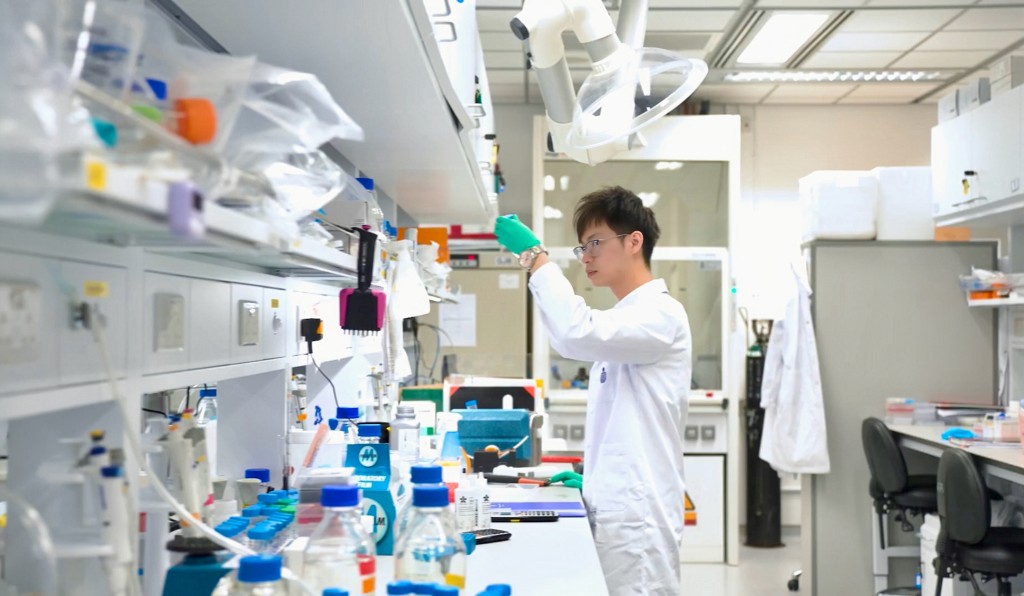
As the park officially opens, the government's Innovation, Technology and Industry Bureau has detailed its plan to establish a world-class Life and Health Technology Research Institute within the development.
The institute will operate on a "1+3" model. This involves a fully government-owned main institute and a central facility focused on "AI + Life Science/Medicine" to be set up in the park.
Complementing this will be three branch institutes, each established and run by a different local university based on its specific research strengths, such as medical diagnostics, advanced therapies, or neurodegenerative diseases in the elderly.
This distributed approach aims to prevent resource overlap while harnessing the unique expertise of each university to attract leading life science scholars.
The government's goal is to create a world-class research platform that functions across multiple sites, allowing research teams the flexibility to work in the Lok Ma Chau Loop or other local research bases as needed.
This initiative is designed to accelerate the growth of Hong Kong's life and health technology ecosystem.
By combining the city's existing research capabilities with the power of AI-assisted development, authorities hope to draw in global scientific leaders and teams, foster groundbreaking original research, and promote the translation of scientific discoveries into practical applications, thereby contributing to global health and wellness.
To ensure robust governance, the main institute will be overseen by a board of directors composed of experts and scholars who will set its strategic direction. A chief executive will be recruited through a global search to lead the institute and foster synergy among the three university-led branches.
In terms of financial arrangements, the previously approved HK$6 billion will be split, with about 45 percent (HK$2.7 billion) allocated to the main institute.
This funding will cover operational costs, equipment, rent, administrative staff, and research projects.
The remaining 55 percent (HK$3.3 billion) will be provided to the three universities to establish their branch institutes on a 4:1 matching basis, requiring them to secure additional funding from university or industry sources.
This total allocation is expected to support the entire research network's operations for approximately six to eight years.