Read More


Night Recap - September 21, 2026
59 mins ago




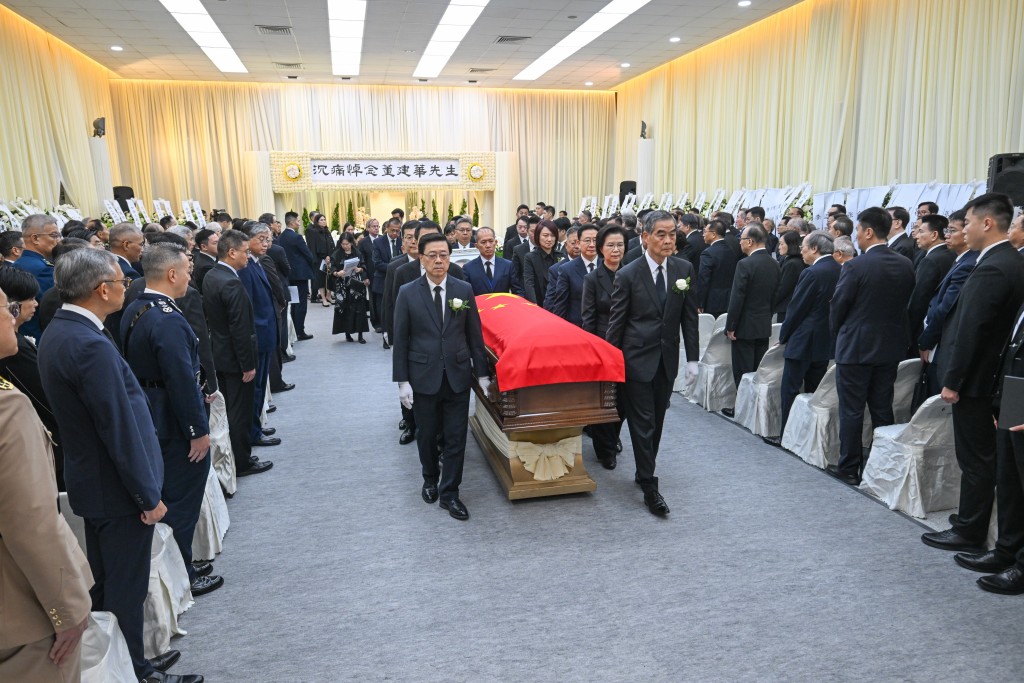
John Lee and CY Leung lead pallbearers for Tung Chee-hwa
20-09-2026 15:54 HKT
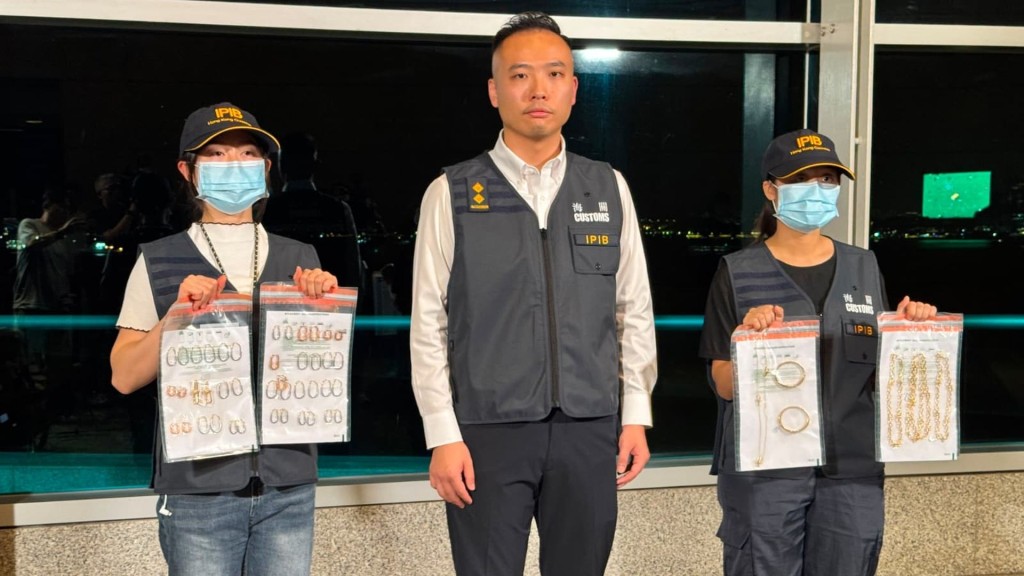


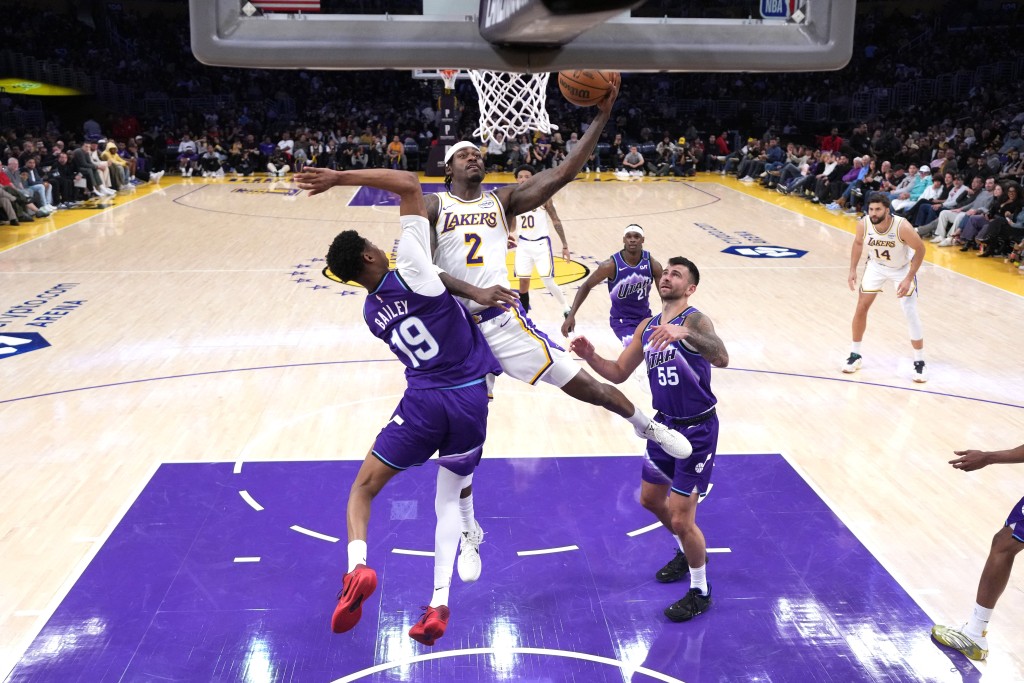
The Hong Kong government has abruptly halted the planned introduction of legal basketball betting, describing the move as a responsible decision needed to assess the risks associated with new trends in illegal offshore gambling, particularly the rise of prediction markets.
Secretary for Home and Youth Affairs, Alice Mak Mei-kuen, explained that the decision was made after considering Hong Kong's local situation and emerging trends in the global illegal betting landscape.
She emphasized that protecting the public interest required a decisive and responsible approach.
She stated that it would have been irresponsible to simply proceed with issuing a license just because the legislation had been passed, without regard for these external factors. When asked about any potential involvement from the central government, Mak clarified that the decision was made solely by the local government based on Hong Kong's specific circumstances and was not a matter for excessive speculation.
The government has instructed the Hong Kong Jockey Club to suspend the rollout while it studies the potential impact of "prediction markets," a form of speculative betting platform that has gained popularity in the United States in recent years.
The decision to pause the launch has received support from lawmakers. Bill Tang Ka-piu noted that to proceed without a full understanding of new gambling trends would be counterproductive. He explained that since the policy's original goal was to regulate illegal gambling, it would defeat the purpose to rush ahead. Tang elaborated on the specific concern regarding "prediction markets," warning that illegal online operators could simply use the official odds as a benchmark to set their own.
This, he suggested, could paradoxically stimulate the very form of illegal gambling the government aims to control, making the current cautious approach a reasonable and necessary one.
Addressing questions about why established betting on football and horse racing continues, Tang noted that these have been operating for many years and any sudden change would cause a significant backlash, whereas basketball betting is a new venture that can be paused more easily.
When asked about the resources already invested by the Hong Kong Jockey Club, he dismissed the idea of compensation. Instead, he suggested the Jockey Club could use its extensive experience to advise the government on how to navigate the challenges posed by these new gambling formats.
Lawmaker Nixie Lam Lam, who also sits on the Betting and Lotteries Commission, agreed with the government's cautious stance.
She said that suspending the rollout before a comprehensive risk assessment is completed aligns with the core objective of combating illegal offshore gambling and reflects a responsible and pragmatic approach that prioritizes the public's welfare.
Lam pointed out that while the law for basketball betting has been passed, the rapid development of new prediction markets presents numerous regulatory loopholes that could be exploited by illegal operators.
She believes the government's move to conduct a full evaluation demonstrates a prudent governance attitude.
She stressed that Hong Kong has always been committed to cracking down on illegal gambling to protect social stability and citizens' assets, and this decision is consistent with that goal.
Another lawmaker, Chris Ip Ngo-tung of the Democratic Alliance for the Betterment and Progress of Hong Kong, has voiced his support for the government's decision. He noted that gambling is an inherently controversial issue that requires careful consideration of various factors. He believes the government's explanation shows due diligence.
When asked what conditions would be appropriate for reintroducing the plan, Ip stated that there should be no rigid timeline forced upon the government.
He argued that setting a strict deadline for the assessment and relaunch would create undue pressure and would not be a fair approach.
Instead, he believes the government should be allowed to complete its comprehensive evaluation before making any further decisions.
Ip also dismissed concerns that the incident might inadvertently popularize these new betting models among the public.
He suggested that individuals already interested in gambling would likely be aware of such trends, while citizens with no interest in betting would not be drawn into it simply by hearing the news.