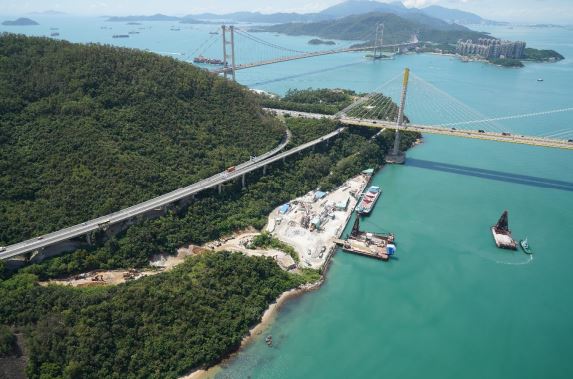
The Civil Engineering and Development Department (CEDD) is moving forward with plans for a new underground quarry in North Tsing Yi, designed to support the development of the Northern Metropolis. The facility is expected to be commissioned in 2028.
The project will utilize underground blasting methods for rock excavation. AECOM, the engineering consultant for the project, stated that controlled blasting is the most common and effective method for excavating hard rock.
This technique is strictly regulated under the Dangerous Goods Ordinance and has been widely adopted in major Hong Kong infrastructure projects, including the High-Speed Rail, the MTR Kwun Tong Line extension, and the relocation of the Sha Tin Sewage Treatment Works into caverns.
Each blasting process is designed to last for a maximum of just over ten seconds.
The CEDD stated that the project team will install explosion-proof doors at the tunnel entrances to reduce noise and will place vibration monitors at the construction site and nearby locations to track vibration amplitudes.
It noted that the blasting method is technically safe and reliable, will not generate continuous vibration, and can accelerate construction progress.
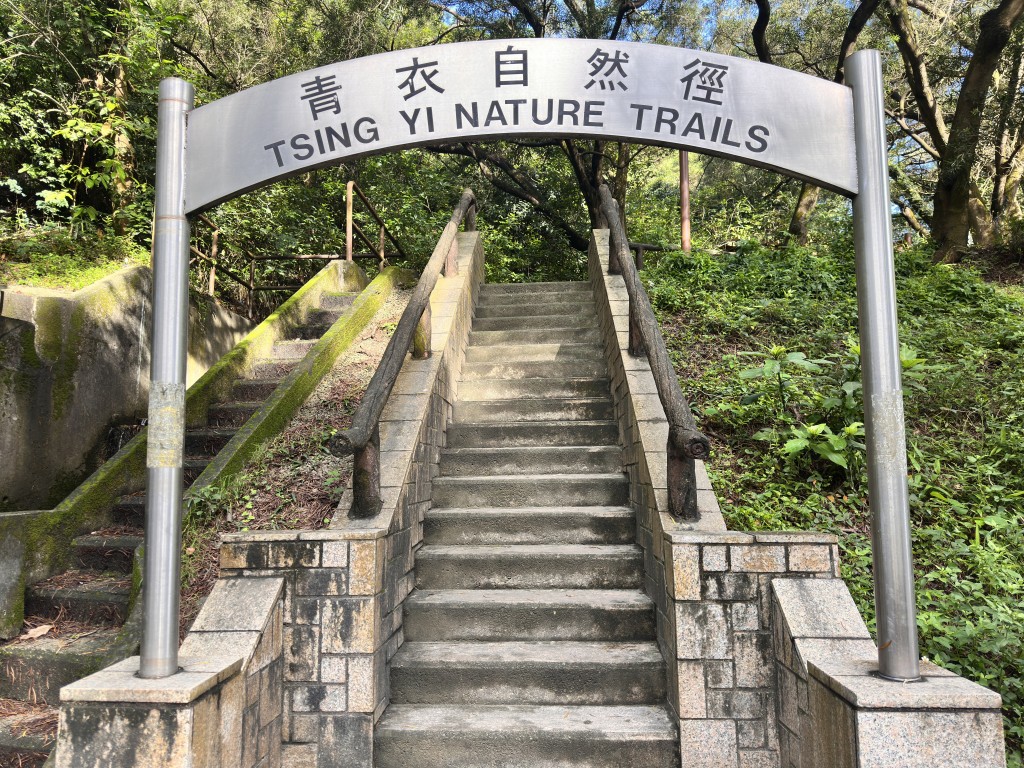
The department further noted that the quarrying will penetrate the rock formation to a depth of at least 100 meters beneath the Tsing Yi Nature Trail and therefore is expected to have minimal impact on hikers.
Notice boards will be set up around the quarry to inform the public in advance of blasting works.
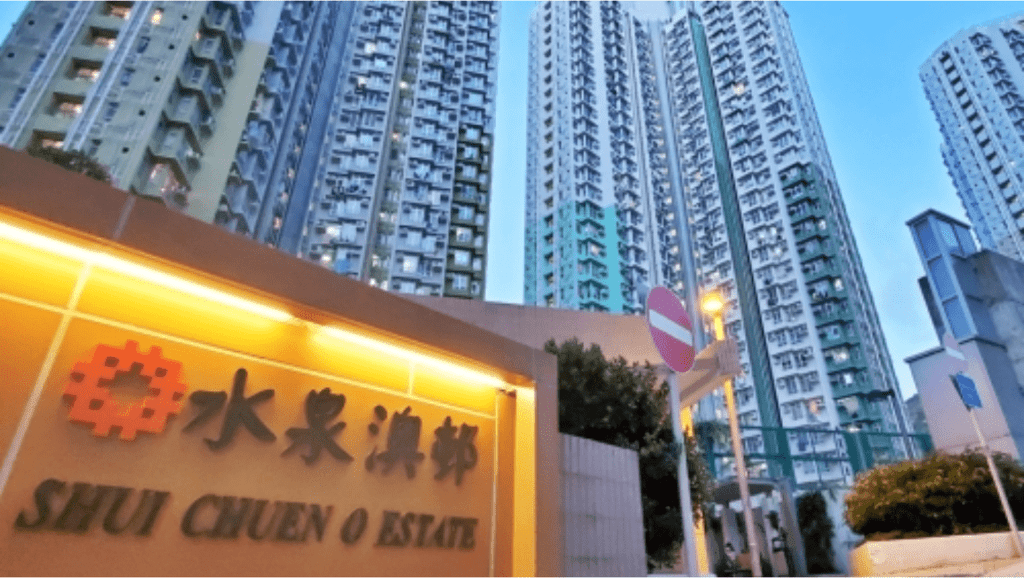
Regarding noise, the department pointed out that the quarry is distant from nearby residential areas and schools, with natural hillsides serving as barriers, so the noise impact should be slight.
The team will adopt quieter construction methods, use high-performance motorized equipment, install temporary movable sound-insulation barriers, and avoid conducting blasting during public holidays and between 7pm and 7am.
The CEDD added that during blasting, the blast-proof doors at all entrances and exits will be closed to completely isolate the site.
Regular water spraying and dust filtration systems will be implemented to reduce air pollution, and since the quarrying extends deep into the rock formation, it will not affect any surface-level natural river channels.