Read More



Night Recap - October 23, 2026
14 hours ago








Late police constable Chu Chun-kwok to receive full honors funeral on Fri
22-10-2026 15:33 HKT

Kyle Kennedy, granddaughter of Robert F. Kennedy, dies at 42
22-10-2026 04:11 HKT


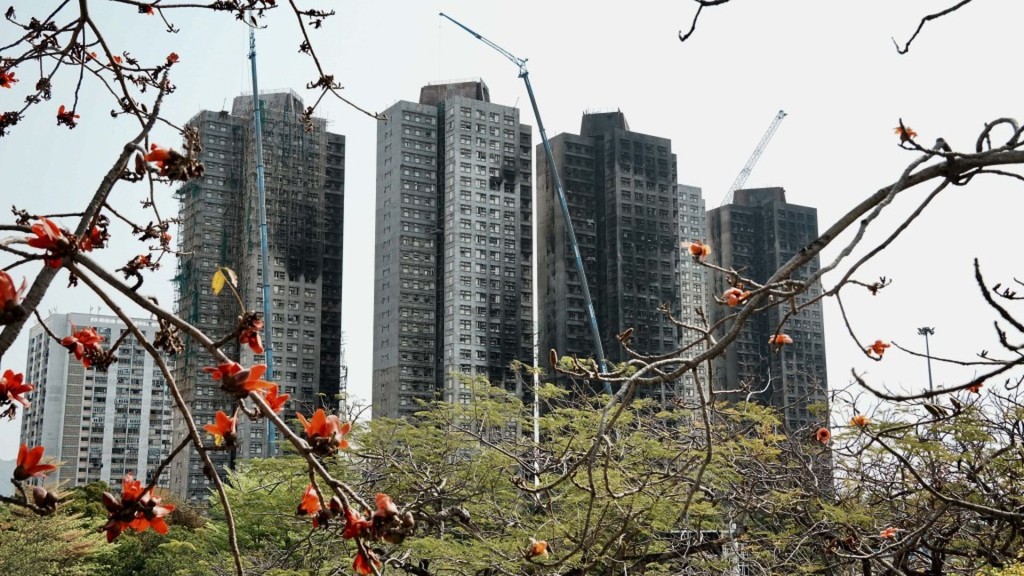
More than 136 out of 248 households at Wang Chi Court in Tai Po have expressed interest in joining the government's acquisition scheme for fire-damaged buildings, surpassing the 50 percent threshold that would trigger consideration, according to lawmaker Bill Tang Ka-piu.
The government previously proposed acquiring seven buildings at Wang Fuk Court affected by a major fire, but initially excluded Wang Chi Court, which was not directly damaged by the blaze. Officials stated they would consider including the building if more than half of its owners reached a consensus.
Tang told Sing Tao Headline that residents who contacted him come from different floors and orientations, indicating psychological distress is widespread rather than limited to units facing the fire scene. Many residents said they could not imagine returning home and having to walk past the disaster scene daily.
A parent expressed concern that a nearby school still has not resumed classes on its original campus due to the fire's impact, questioning why children living in Wang Chi Court should endure such psychological pressure.
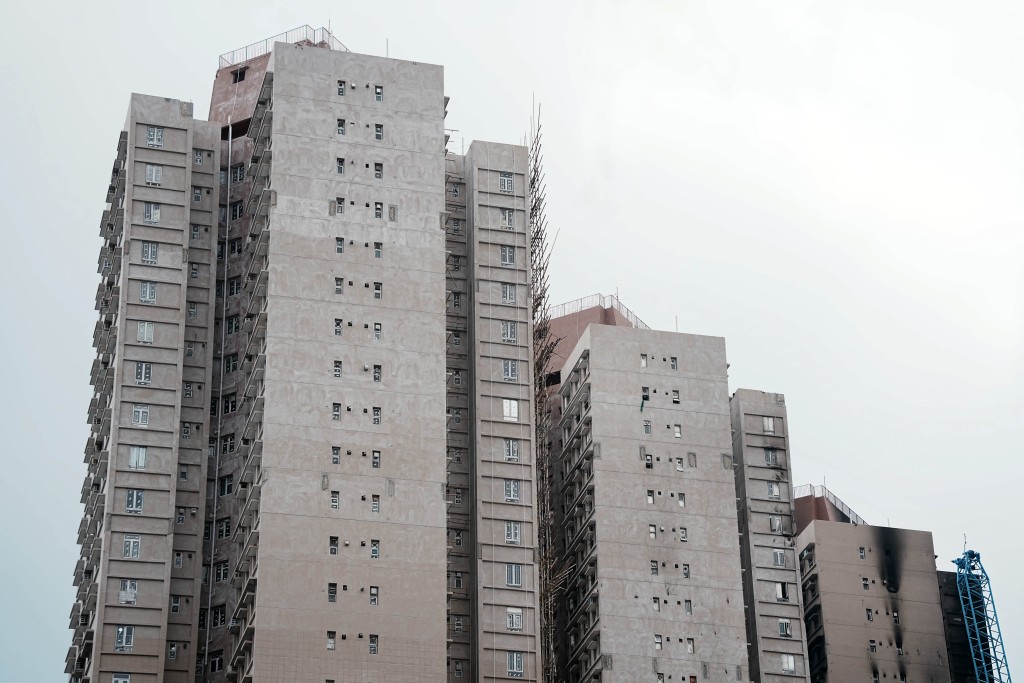
Residents also raised concerns about the building's physical condition. Wang Chi Court, which is over 40 years old, was undergoing major renovations before the fire, with exterior wall tiles below the 19th floor already removed. The fire left the renovation work unfinished, leaving the facade vulnerable. Residents worry about facing another lengthy and costly repair process if they return.
Additionally, the building was subjected to extensive water dousing for three days during the firefighting operation, leading residents to fear severe water leakage and concrete spalling issues. Some questioned whether the building remains "reasonable and suitable for living."
Tang noted that legal and management issues compound the problem. The entire estate is governed by a single deed of mutual covenant. If Wang Chi Court were to operate independently, a new deed would require signatures from all 248 households – a practical impossibility given that some owners cannot be reached and most wish to leave.
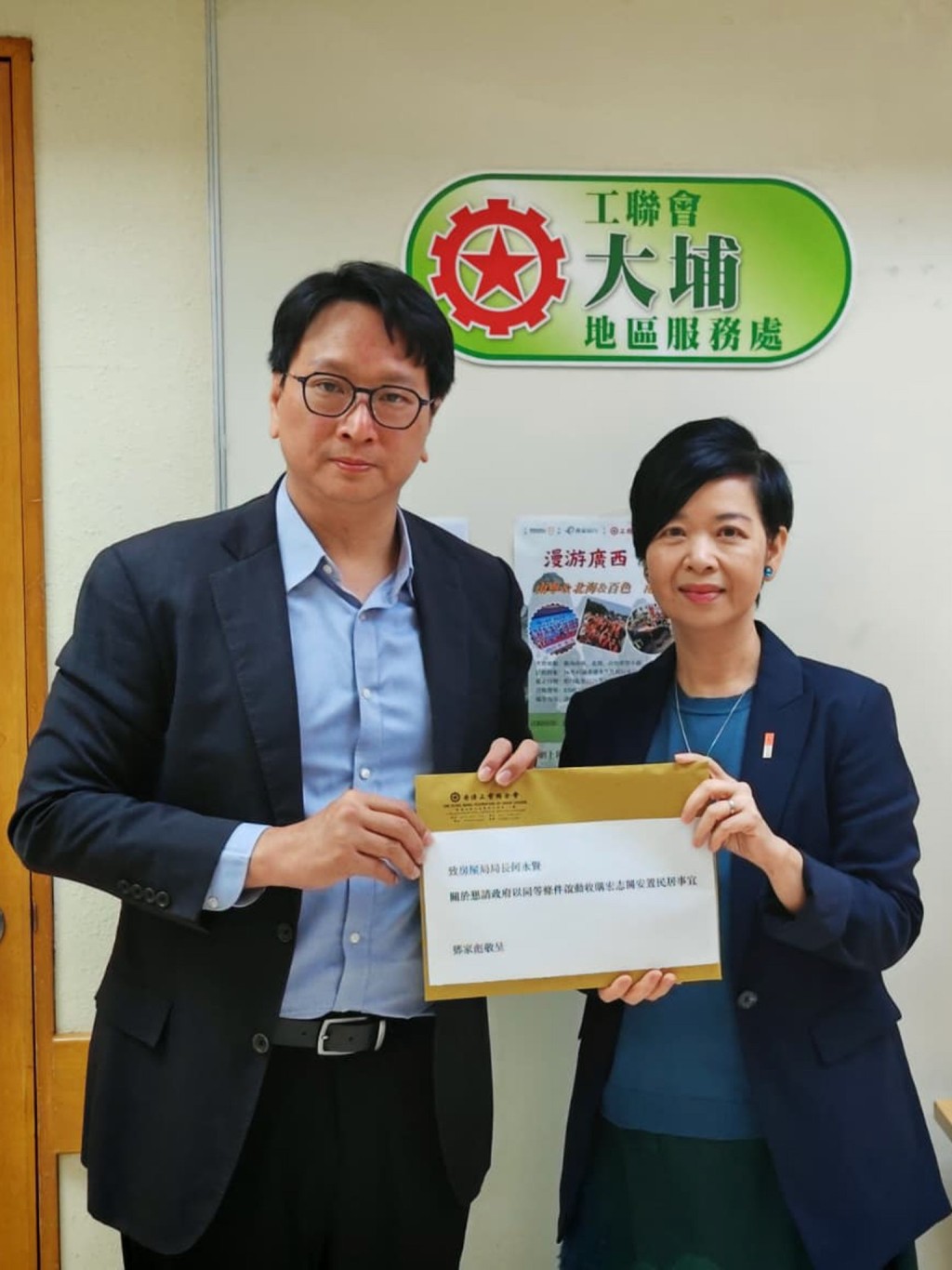
Tang has submitted the residents' information to Secretary for Housing Winnie Ho, who has expressed willingness to meet with some residents to understand their needs. Tang urged the government to honor its commitment to consider acquisition if over half the owners agree, and to handle the matter promptly so residents can choose the "flat-for-flat" resettlement option by the June 30 deadline.
Ho confirmed receiving the information and meeting three Wang Chi Court owners to listen to their views. She said government liaison teams will continue contacting all owners to understand their individual situations and preferences, adding that if more than half the owners wish to be included, discussions can begin.
The government will continue communicating with owners based on a "mutual agreement" principle, weighing various factors to find the best arrangement that balances sentiment, reason and law, Ho said.