Read More
A leading think tank has called on consumers to scrutinize price hikes as oil price volatility triggered by Middle East tensions begins to affect everyday expenses in the city. The think tank cautioned that some suppliers may be using the recent surge in oil prices as a pretext to raise prices on goods not directly impacted by rising fuel costs.
ADVERTISEMENT
SCROLL TO CONTINUE WITH CONTENT
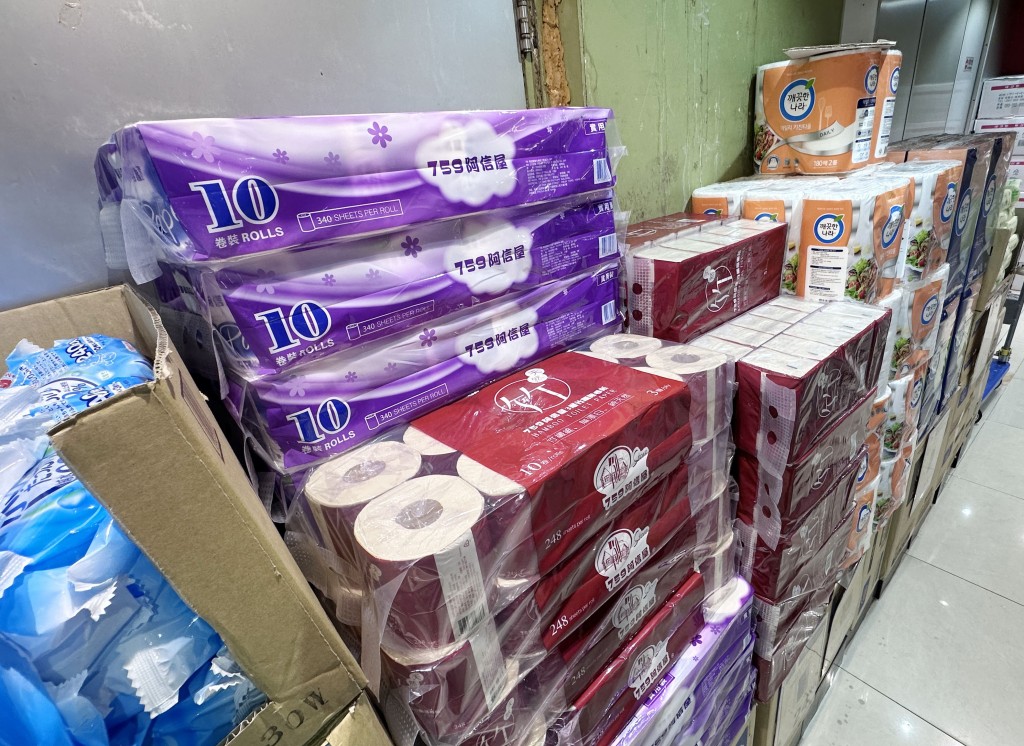
Alongside higher fuel prices, daily necessities like toilet paper are also seeing price increases, with some pharmacies anticipating a 10 percent rise starting next month. The surge is attributed to escalating transportation costs.
Pascal Siu, head of green and sustainability at Our Hong Kong Foundation, explained on a radio program Monday that while Hong Kong’s dependence on imports makes it susceptible to price fluctuations, not all price increases are justified by oil costs.
He pointed out that products directly tied to oil—such as motor fuel, aviation fuel, shipping-dependent goods, and petrochemicals—have legitimate reasons for price increases. However, for items like toilet paper and paper towels—primarily made from wood pulp and recycled fibers—oil-related costs represent only a small fraction, mostly due to plastic packaging.
He used household cleaners as an example. If oil‑related inputs make up 10 to 20 percent of a product’s cost, a 20 percent jump in oil would only raise the final price by roughly 2 to 4 percent — for a HK$20 item, the increase would be only a few cents to around 80 HK cents.
Siu emphasized that rent, labor, and logistics remain the primary drivers of Hong Kong’s retail prices. He warned that products with price hikes mirroring oil price increases may indicate suppliers improperly passing on costs.
Lawmaker Shiu Ka-fai, representing the wholesale and retail sector, agreed and noted that toilet paper’s bulky size makes it especially vulnerable to higher transport costs.
“If a container is filled with iPhones, its value is high; but if it’s filled with toilet paper, it occupies the same space, but the total value is low,” he explained. When shipping costs rise, bulky low‑value goods bear a bigger share of the pressure. He warned that vegetables and other bulky, low‑priced items could also be affected over time.
Shiu added that importers currently have two to three months of inventory and are hesitant to pass on increased costs immediately, given the current economic climate. He said oil-related products like waterproof paint, asphalt, and plastic toys will also feel direct cost pressure.
Meanwhile, starting next month, the government will start publishing oil company prices and international oil price trends on a weekly basis. Both Siu and Shiu described the move as a first step toward greater transparency, with regulatory measures possible if significant discrepancies continue.
Siu also suggested that authorities consider introducing cheaper 95-octane or even 92-octane petrol to offer consumers more choices, and that more conditions be added to fuel-station land leases in the future.