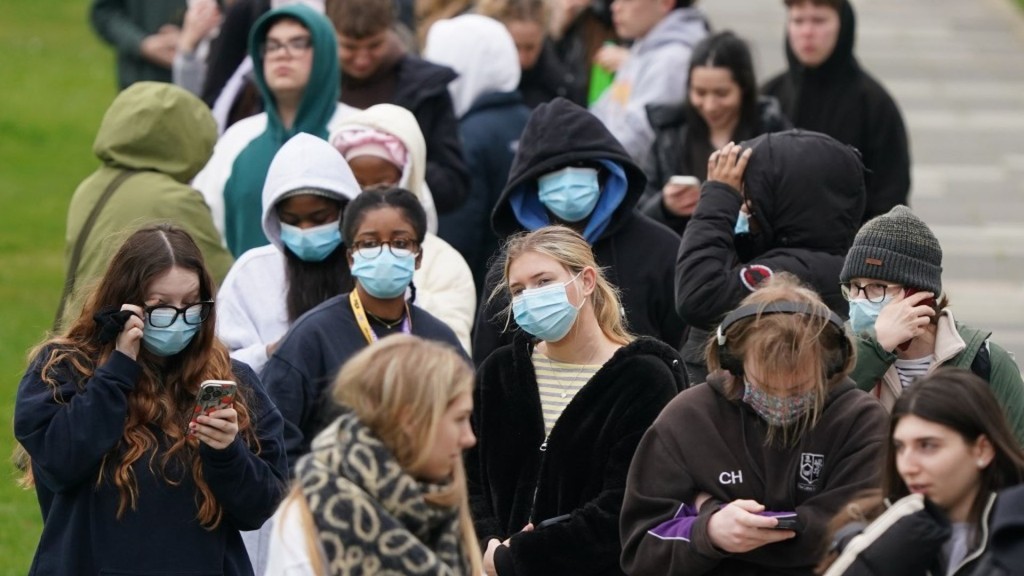
The meningitis outbreak in Kent, southeast England, has spread to London, with the number of cases rising to 27 as of Thursday, including 15 confirmed infections and 12 under investigation. Two students have died, with cases linked to four schools in Kent and one institution in London.
Dr Mike Kwan Yat-wah, President of the Asian Society for Pediatric Infectious Diseases, warned that meningococcal bacteria are more transmissible than influenza, with 10 to 20 percent of carriers showing no symptoms. The outbreak involves Group B meningococcus, which carries higher risks of severe illness and rapid spread.
"Group B has very high morbidity and mortality compared to other serogroups," Kwan said, noting he had handled three or four cases in the UK, all Group B. "From onset to death, it can take just one day."
Dr Mike Kwan Yat-wah, President of the Asian Society for Pediatric Infectious Diseases
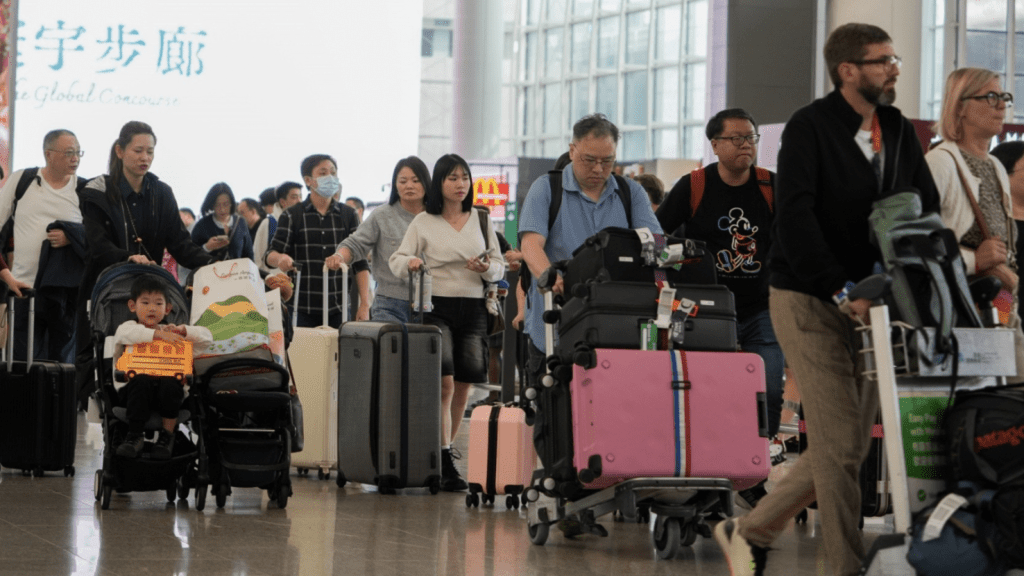
Although the incidence of invasive meningococcal disease is low in Hong Kong, 73 percent of the 11 cases recorded last year were Group B. Kwan expressed concern that many people returning from the UK during Easter could facilitate bacterial spread.
He urged travelers developing symptoms to seek immediate medical attention and inform doctors of their travel history. Local doctors should also remain vigilant and aware of outbreak information. "Early diagnosis and high-dose antibiotics can significantly reduce deterioration and even save lives," he said.
Currently, quadrivalent ACWY and Group B meningitis vaccines are available at private clinics. Kwan advised those traveling to higher-risk areas including the UK, US, Australia, and Mecca in Saudi Arabia to consult family doctors about vaccination based on local serotypes. "If time and finances permit, receiving both vaccines provides comprehensive protection."