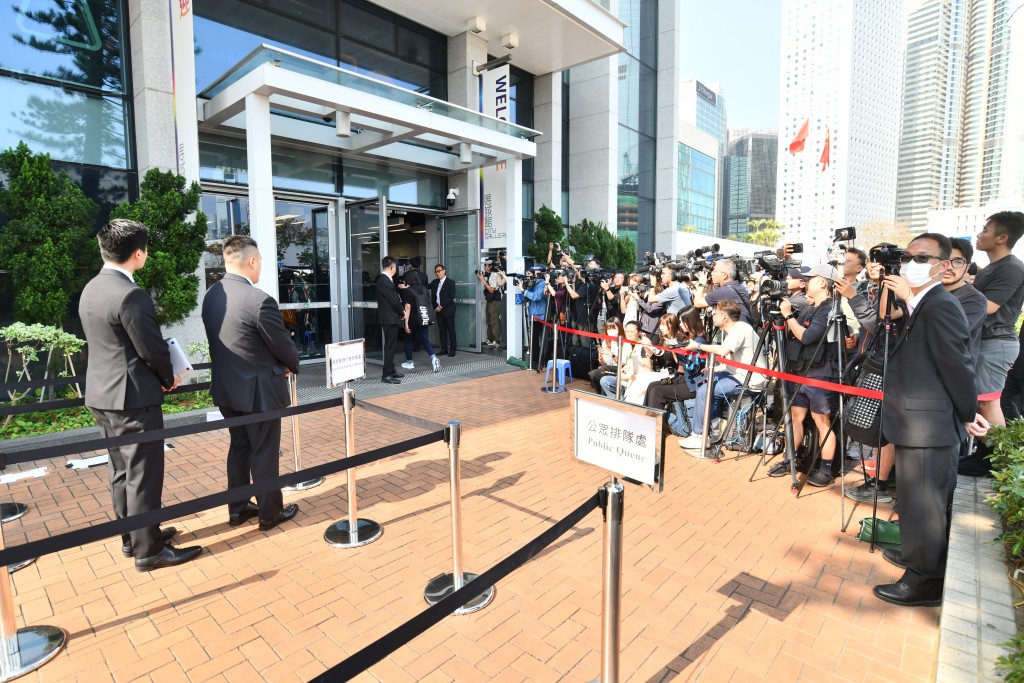
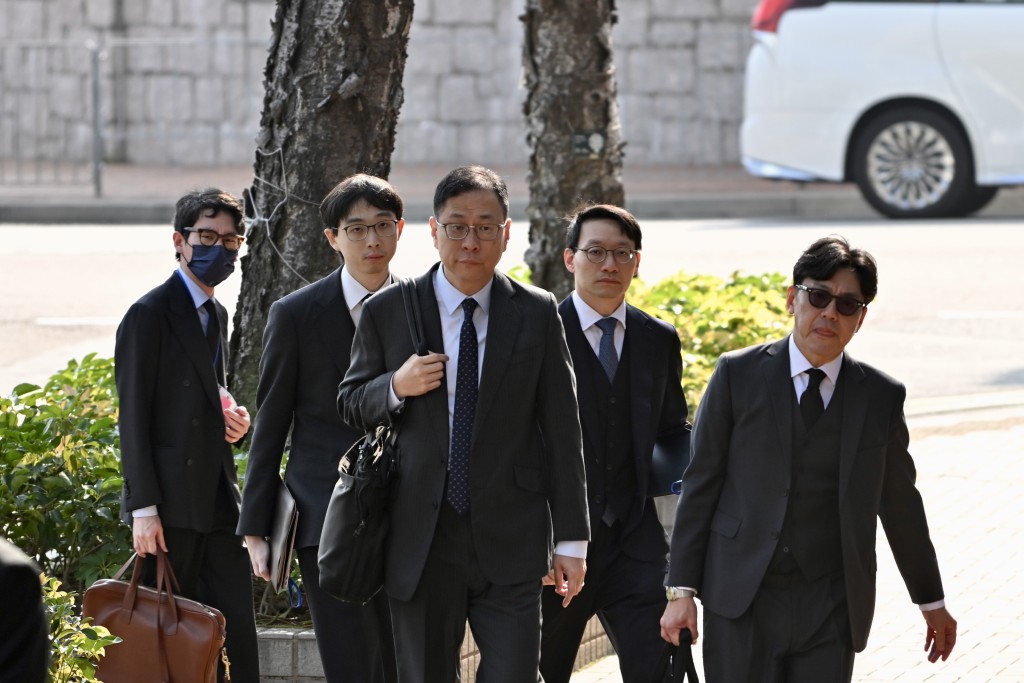
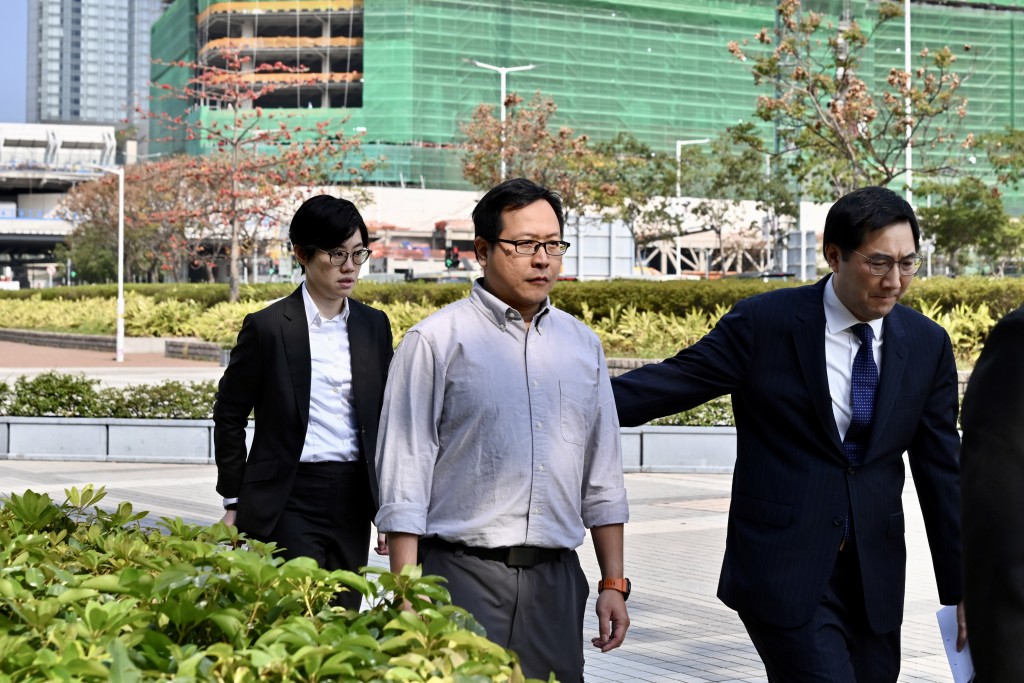
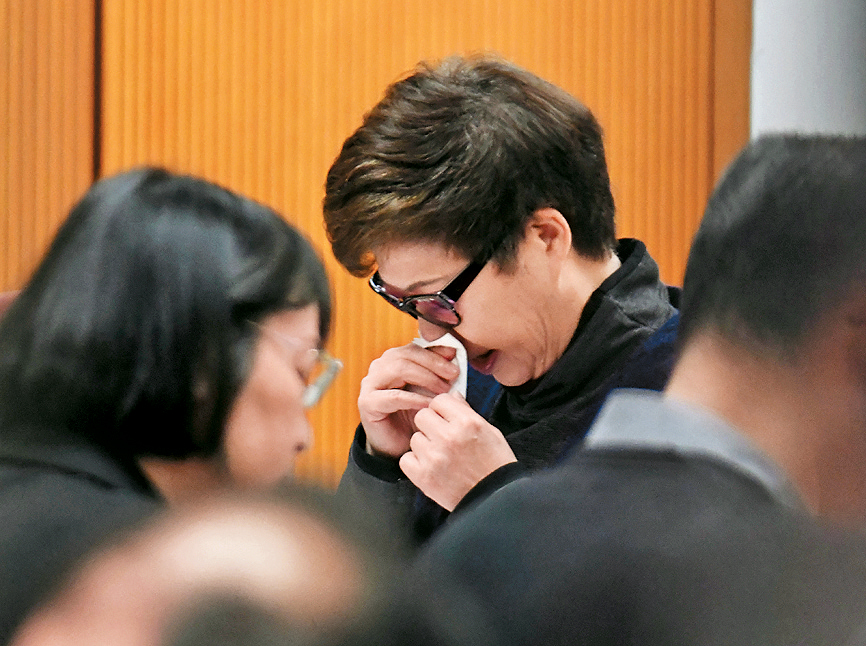
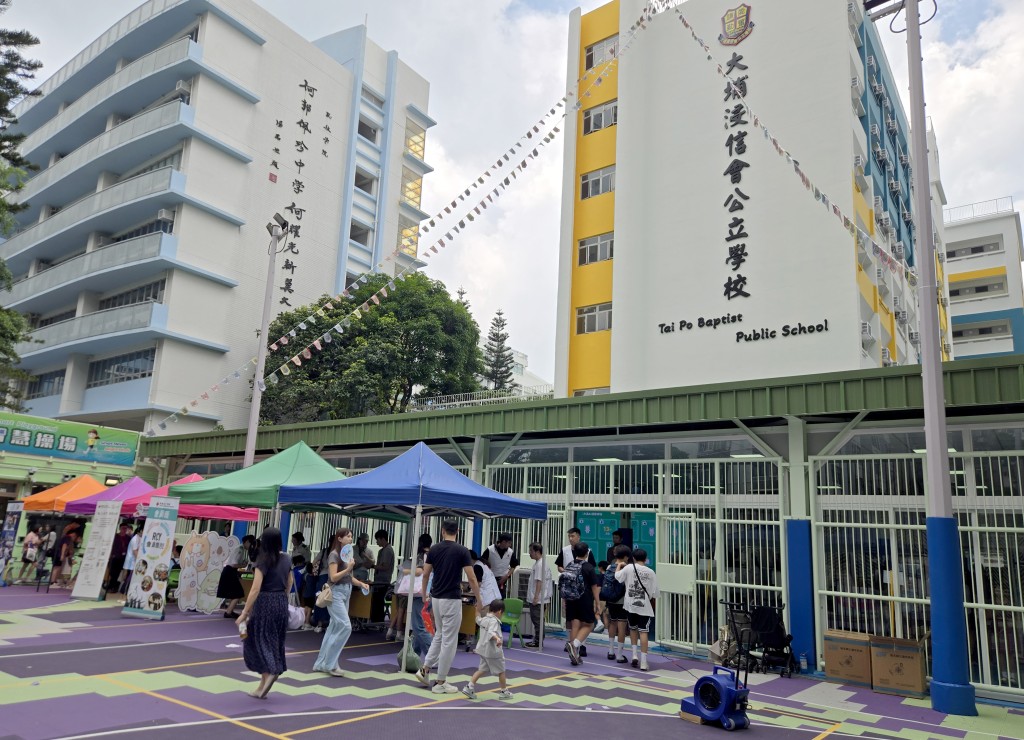
The first public evidential hearing into last year's Wang Fuk Court fire—which claimed at least 168 lives—commenced on Thursday, with committee chairman Justice David Lok Kai-hong vowing a thorough examination of the “heartbreaking truth.”
ADVERTISEMENT
SCROLL TO CONTINUE WITH CONTENT
The judge-led independent committee is tasked with investigating the cause of the fire and related systemic problems with the estate's renovation project through oral evidence, written submissions, and other forms of evidence presented by witnesses.
Opening the proceedings this morning, Lok acknowledged the weight of public expectation to seek “an answer” after the tragedy, pledging the committee will conduct a thorough investigation.
+1
Describing the probe as “broad and complex”, Lok revealed that the committee has been working for three months, gathering data from government departments, organizations, and individuals.
Lok called the nine-month timeframe for a report to the Chief Executive a "very aggressive target," but stressed the inquiry is necessary for the victims and for numerous halted building projects across Hong Kong.
He added that the witness list remains unconfirmed as investigations continue, and would be finalized and announced as the hearings proceed.
Non-fire-retardant mesh used
In the opening address, the committee’s lead barrister Victor Dawes described the deadly fire—which killed 168 and displaced over 4,000—as a "lasting scar on the community”.
The tragedy raised troubling questions about how fire safety failed in a world-class city, Dawes said, stressing that problems must be faced and learned to make Hong Kong a safer place.
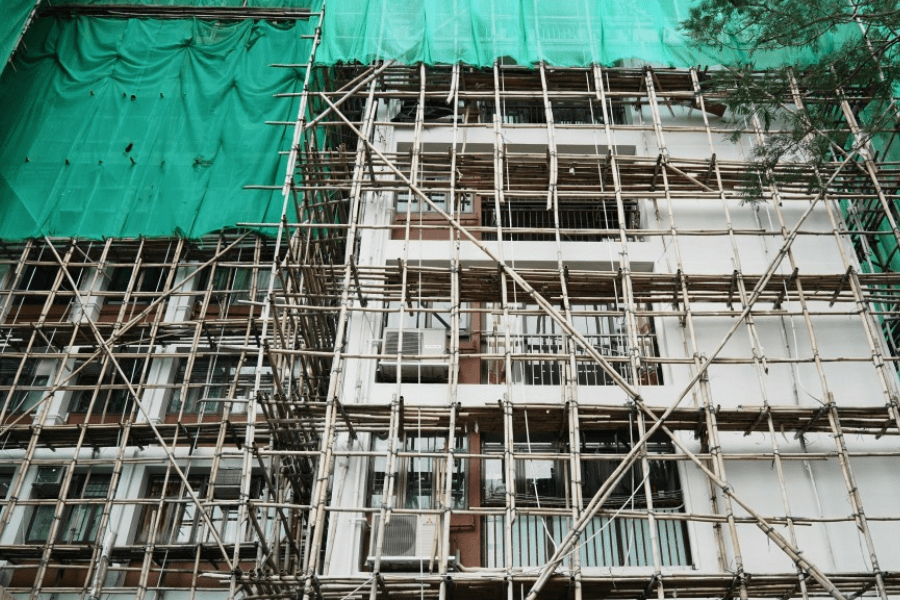
After gathering over a million documents, photos, and videos, he reported that internal communications among contractors directly pointed to the use of non-fire-retardant mesh on the scaffolding.
He further asserted that the blaze was a result of multiple overlapping failures, where almost all safety systems became ineffective during the incident.
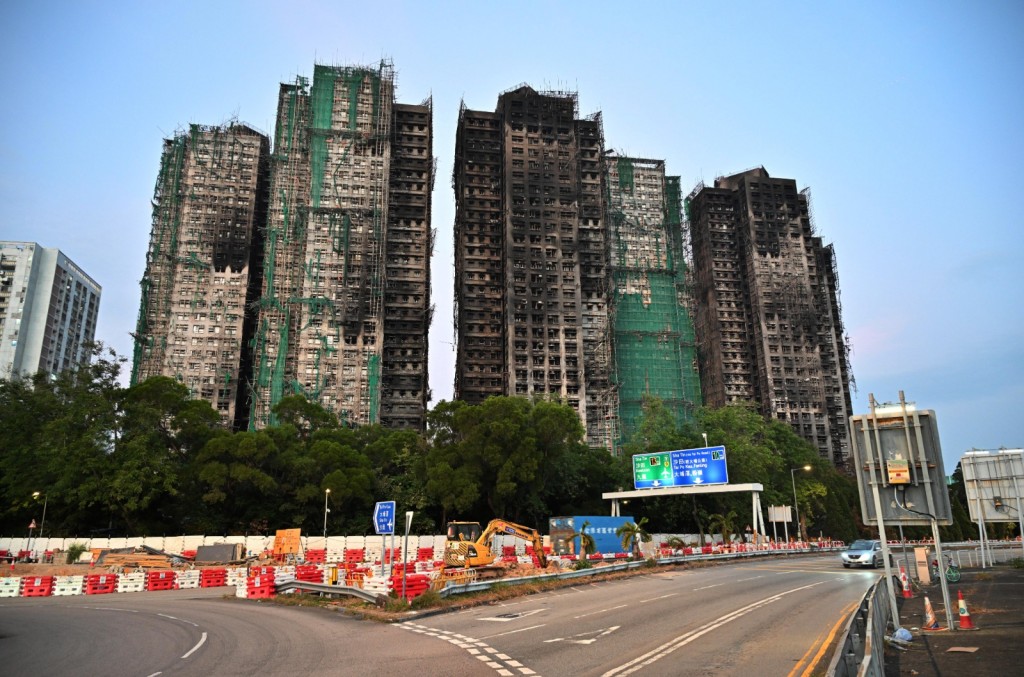
Seven of the eight blocks had their fire alarms switched off, fire doors left open, and fire hoses disabled, whereas the estate was wrapped in substandard mesh, with foam panels covering several windows and combustible mantle materials on the scaffolding platforms, he said.
Dawes also cited evidence of discarded cigarette butts around the scaffolding, of which resident complaints were dismissed.
Fire spread from scaffolding into buildings
In a key revelation, Dawes noted that the fire likely originated at a light well outside units 104 and 105 of Wang Cheong House.
According to surveillance footage, debris was seen falling from the rear of Wang Cheong House at around 2.33pm, followed by small flashes—suspected to be burning embers—that appeared at around 2.43pm.
Further footage from the contractor captured construction workers exclaiming “who was smoking?” around 2.42pm, followed by a large burst of flames, suggesting workers discovered the fire between 2.42pm and 2.45pm.
The first call to police was made at 2.50pm by a bystander, who recorded three minutes of video showing fire alarms were inactive despite the fire having spread through multiple storeys.
Discarded cigarette suspected cause
Citing the preliminary analysis from the government’s cross-departmental investigation panel, Dawes indicated the ignition of flammable materials littered in the light well by a discarded cigarette is likely the primary cause of the fire.
He stated that the investigation at the site recovered a large amount of charred cardboard, rubbish including gloves, plastic bottles and cans, and other combustibles.
Notably, a photo showed a worker smoking on the rooftop of the same building at 2.43pm on the day of the fire.
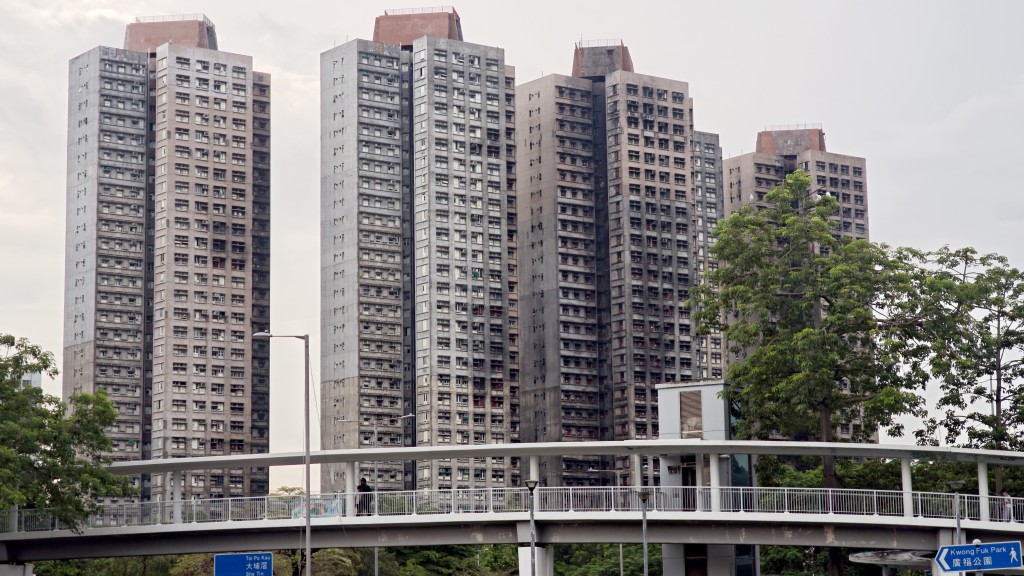
The devastating fire left 63 percent of units in Wang Cheong House severely damaged, while roughly 58 percent of units in Wang Tai House and Wang San House were heavily affected, Dawes reported.
While approximately 150 households escaped via stairs, 250 used elevators, he pointed out that 900 households were empty at the time of the afternoon blaze, warning that the consequences could have been much worse if it had occurred at night.
Stressing the importance of the investigation into the cause of the casualties, Dawes paid tribute to the victims, noting that of the 168 deceased, 150 were residents, including seven minors.
He reported that units 104 and 105, the fire's point of origin, were "completely burned out," while adjacent unit 103 remained undamaged.
As the blaze began on the exterior wall, he raised questions over whether the spread of the fire could have been prevented and its relation to foam panels on the windows.
The first round of eight hearings is scheduled to run until April 2.