Read More


Morning Recap - September 23, 2026
3 hours ago



Night Recap - September 22, 2026
13 hours ago


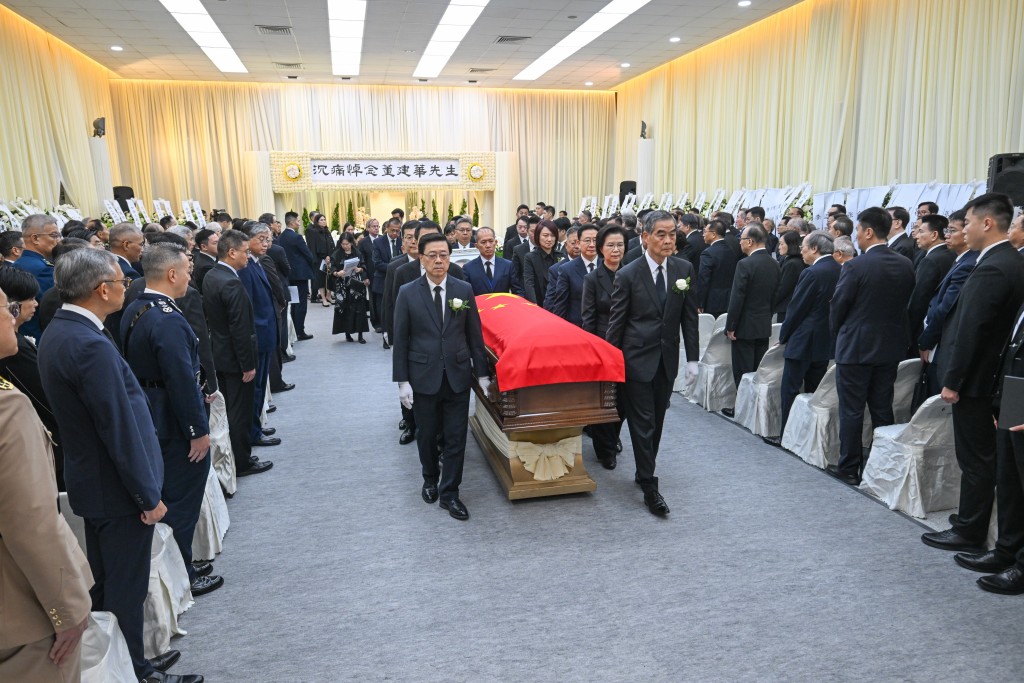
John Lee and CY Leung lead pallbearers for Tung Chee-hwa
20-09-2026 15:54 HKT


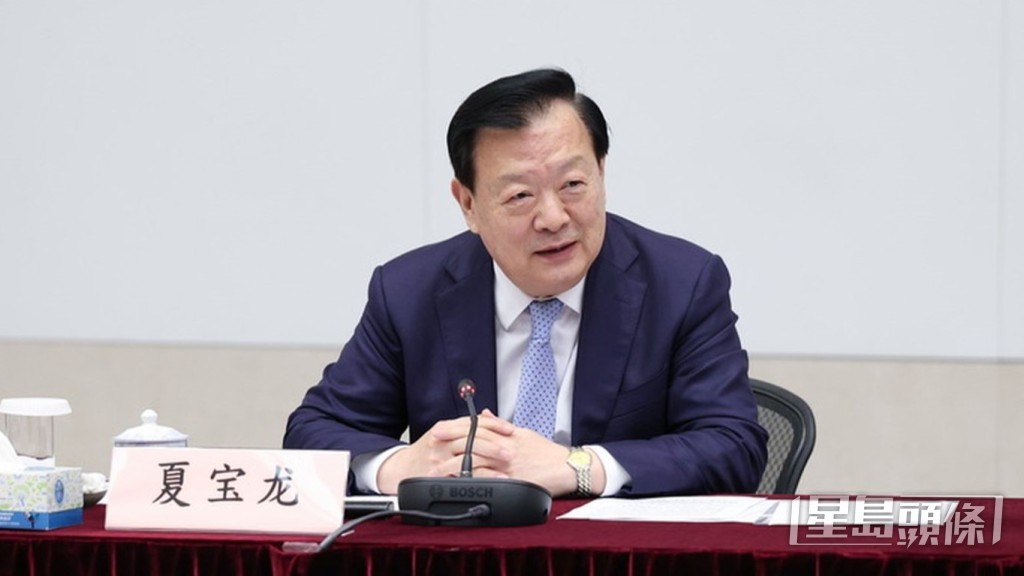
Senior officials and lawmakers attending a Beijing–Hong Kong video-linked seminar were told that Hong Kong lawmakers should focus on their legislative duties, pay close attention to their public image, and recognize that the chief executive has a “guiding role” over the executive, legislative, and judicial branches.
The remarks were attributed to Xia Baolong, director of the Hong Kong and Macao Affairs Office of the State Council, who spoke for about 45 minutes at the seminar organized on Monday by the National Association of Hong Kong and Macao Studies.
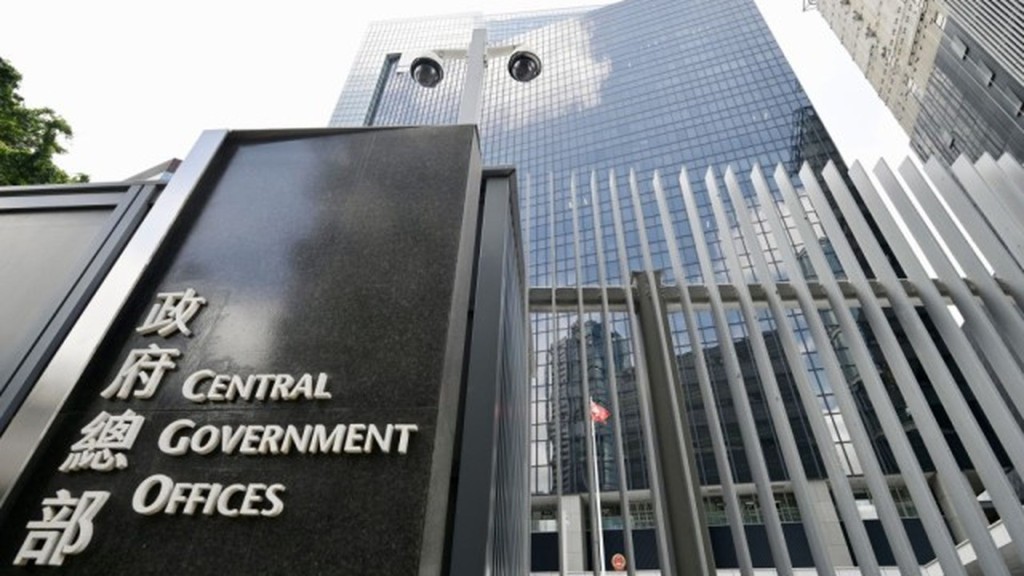
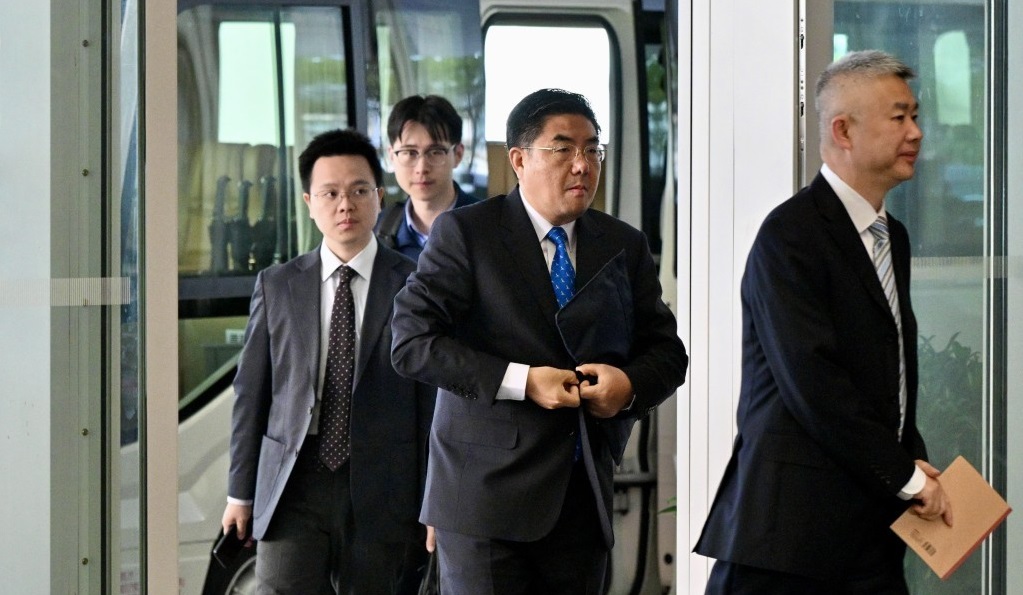
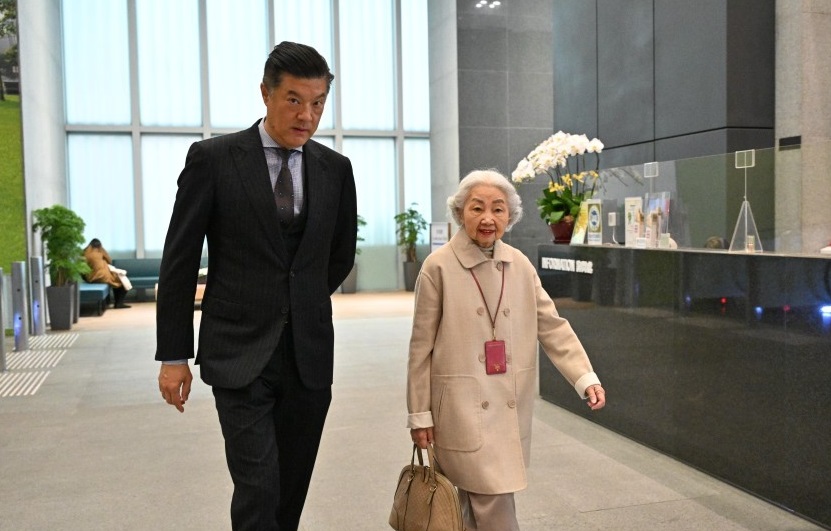
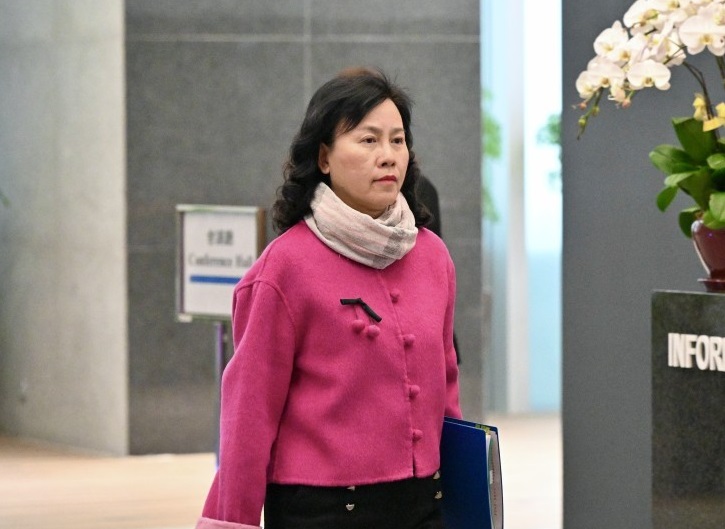
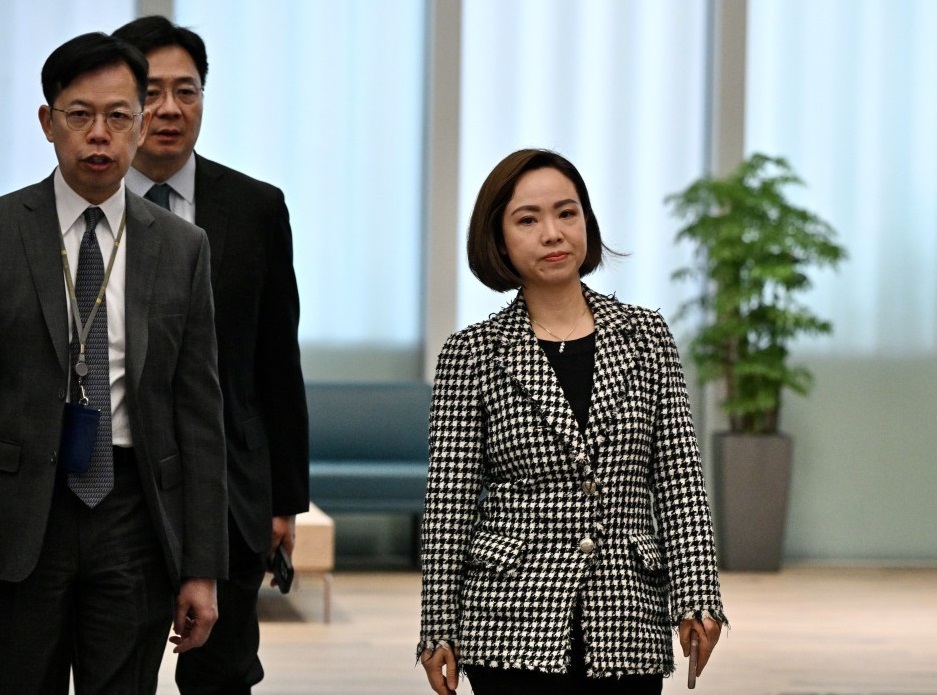
The Hong Kong session was held at government headquarters and attended by officials from the central government’s liaison office, principal officials of the Hong Kong Special Administrative Region government, members of the Executive Council, and Legislative Council members.
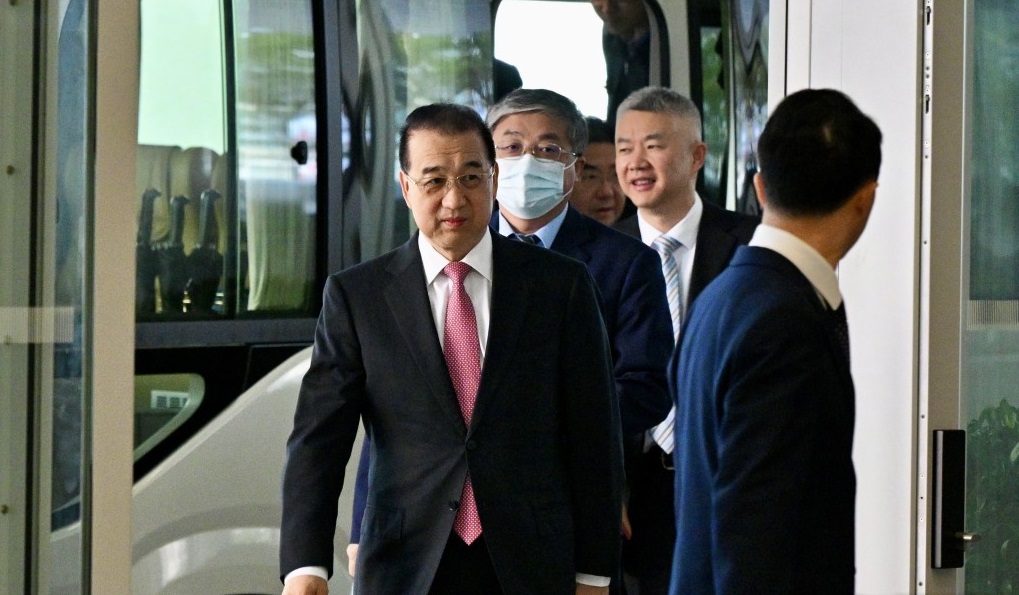
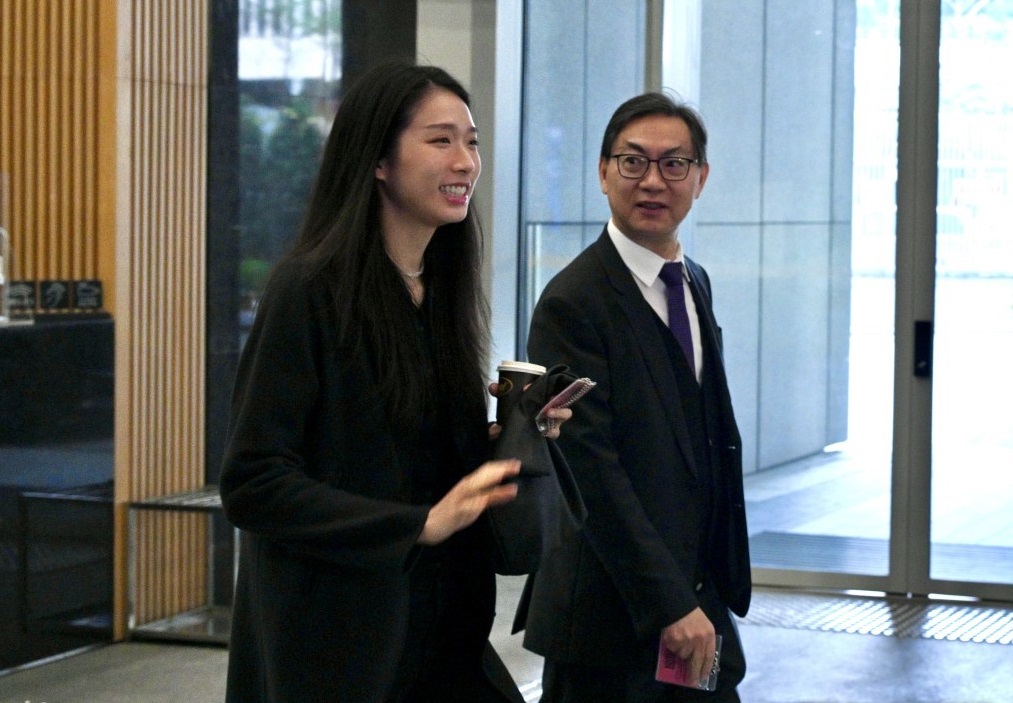
According to participants, Xia said lawmakers should take legislative work as their main responsibility and be mindful of their words and actions, noting that “Hong Kong citizens are watching you, the HKSAR government is watching you, and the central authorities are watching you.”
He also said legislators have a duty to offer policy advice and to support the SAR government’s governance.
While emphasizing that Hong Kong has independent judicial power, Xia reportedly said that under the executive-led system, the executive, legislative, and judicial institutions should share the same objective of doing what is best for Hong Kong.
Speakers at the seminar included Xia, former National People’s Congress Law Committee head Qiao Xiaoyang, former Legislative Council president Rita Fan Hsu Lai-tai, Tsinghua University law professor Wang Zhenmin, and Macau Legislative Assembly first secretary Si Ka Lon.
Legislator and Basic Law Committee member Priscilla Leung Mei-fun said after the meeting that Xia stressed the central authorities attach great importance to the executive-led system and link it to the Constitution.
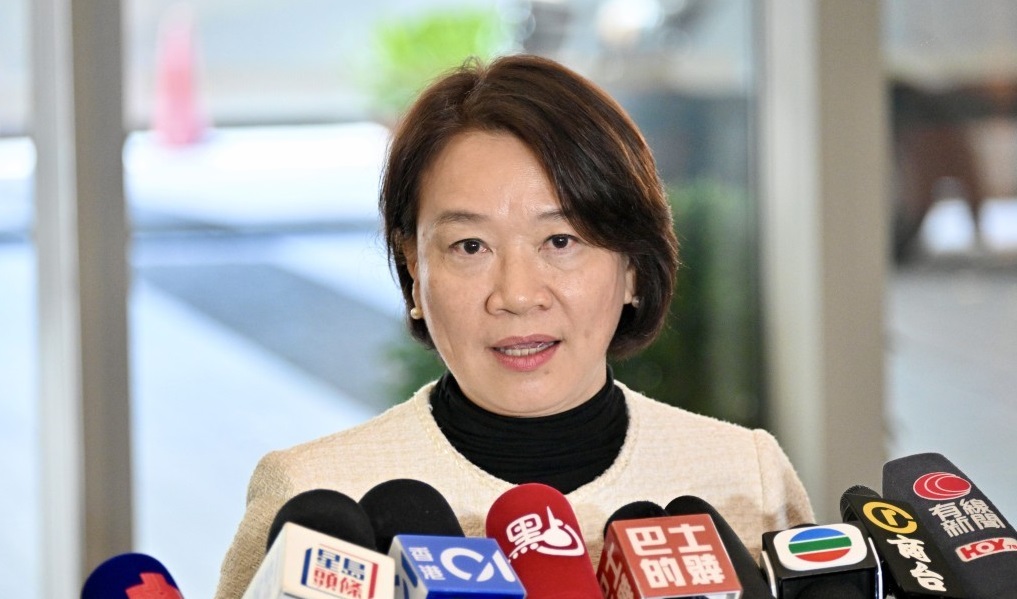
Although the Basic Law does not explicitly mention “executive-led,” she said Xia described it as the most important constitutional design of “one country, two systems.”
Leung added that Xia highlighted the advantages of executive-led governance, noting Hong Kong’s backing by the mainland and the support it received during the Asian financial crisis, the Covid-19 pandemic, and the 2019 unrest. He also said Hong Kong should better understand the combination of the central authorities’ overall jurisdiction and the SAR’s high degree of autonomy.
According to Leung, Xia said Hong Kong’s initial public offering market has returned to first place globally and that economic order and prosperity have largely recovered. He urged the city to proactively align with the national 15th Five-Year Plan, and called on the Legislative Council and the executive authorities to strengthen coordination in integrating into and serving the country’s overall development strategy, particularly in mechanism alignment.
Leung said Xia set especially high expectations for the new term of legislators in terms of responsibility and public image, expressing hope that lawmakers would set an example in society and proactively propose solutions to problems.
He also urged legislators to engage with citizens so the public can feel that lawmakers are helping address livelihood issues, and said that regardless of how many other public duties they hold, their top priority must be LegCo work.
She said Xia also stressed that the eighth-term Legislative Council should actively assist and cooperate with the SAR government in aligning with the 15th Five-Year Plan, especially in economic development, technology, and global connectivity, so that proposals from lawmakers can be translated into policies and legislation to help the government.
Asked about the presence of a Macau legislative representative at the seminar, Leung said Si Ka Lon and Rita Fan both noted that one of lawmakers’ key responsibilities is scrutinizing legislation to ensure laws are binding and effective, thereby helping break deadlocks in livelihood and development issues.
She added that Hong Kong could learn from Macau’s experience in areas such as special legislation for major development projects, including the Northern Metropolis.