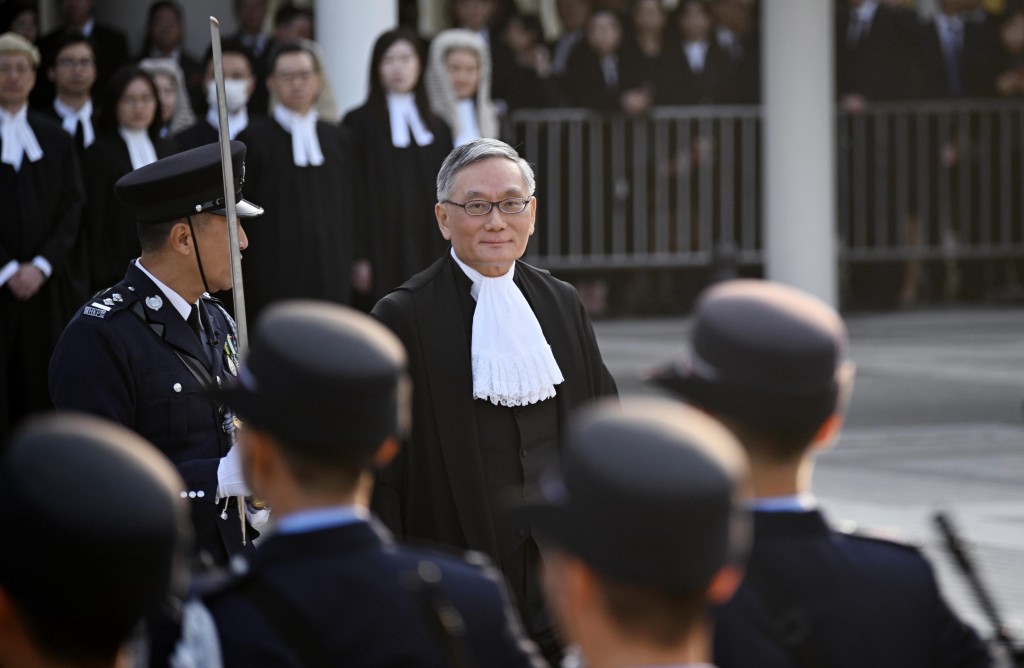
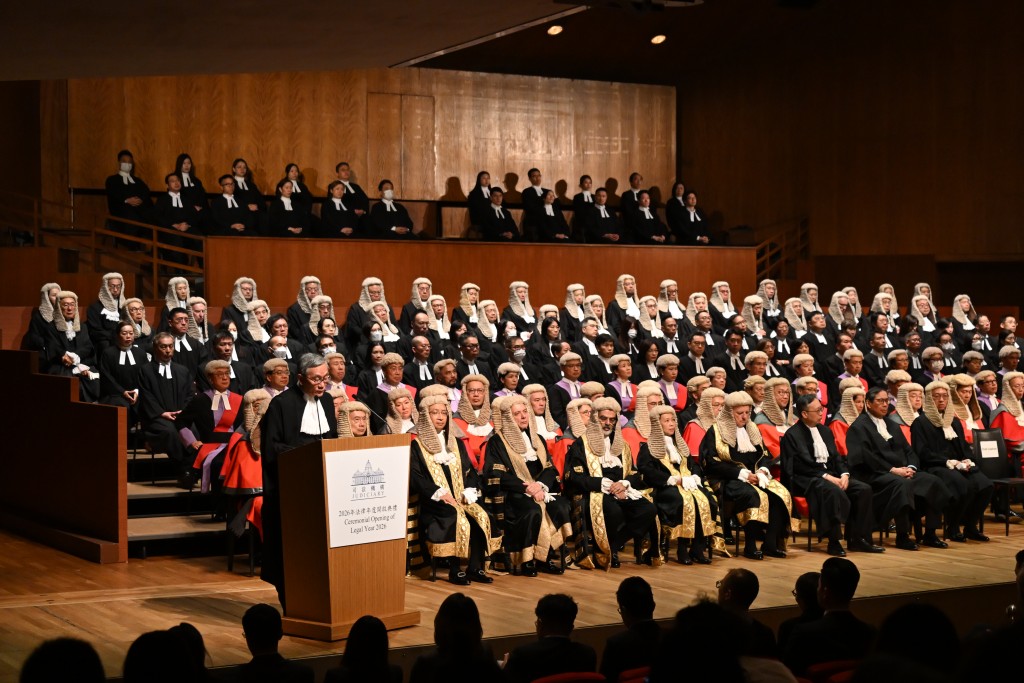
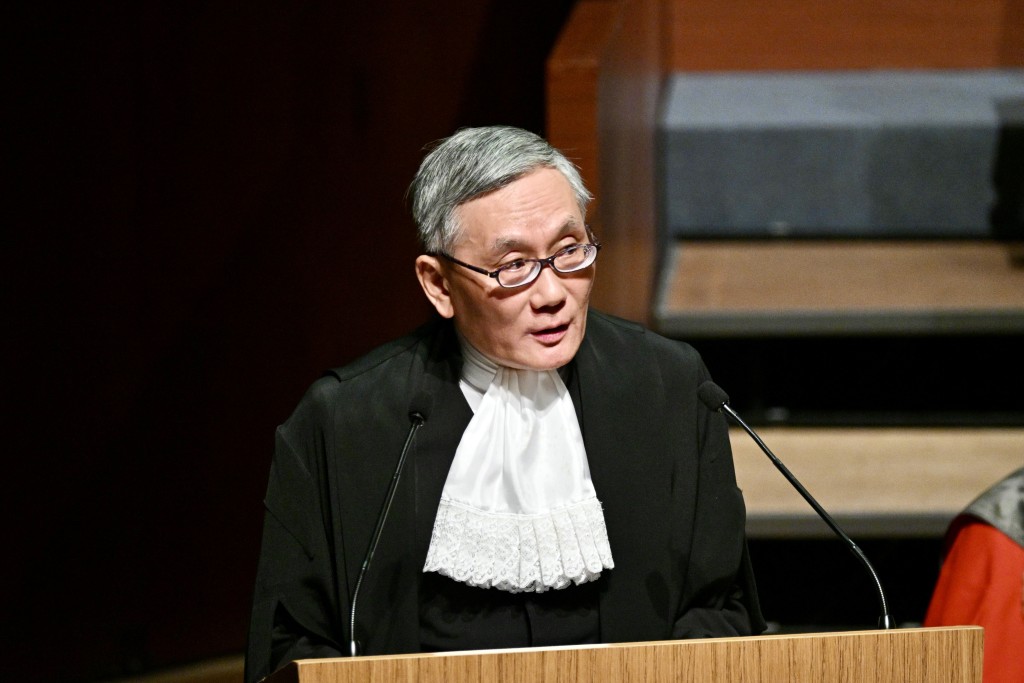
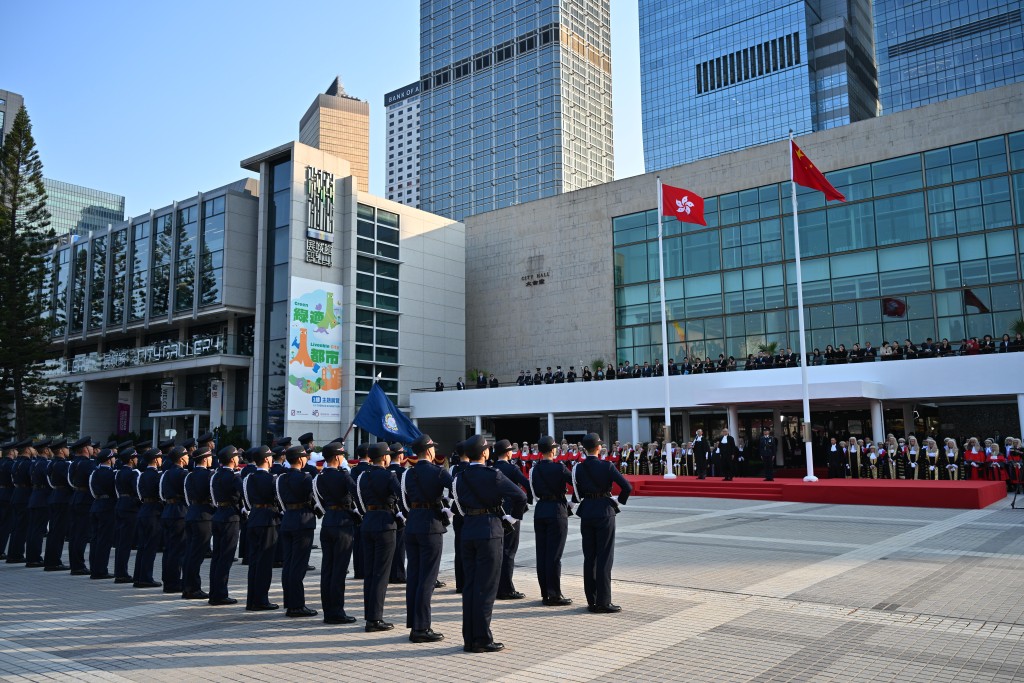
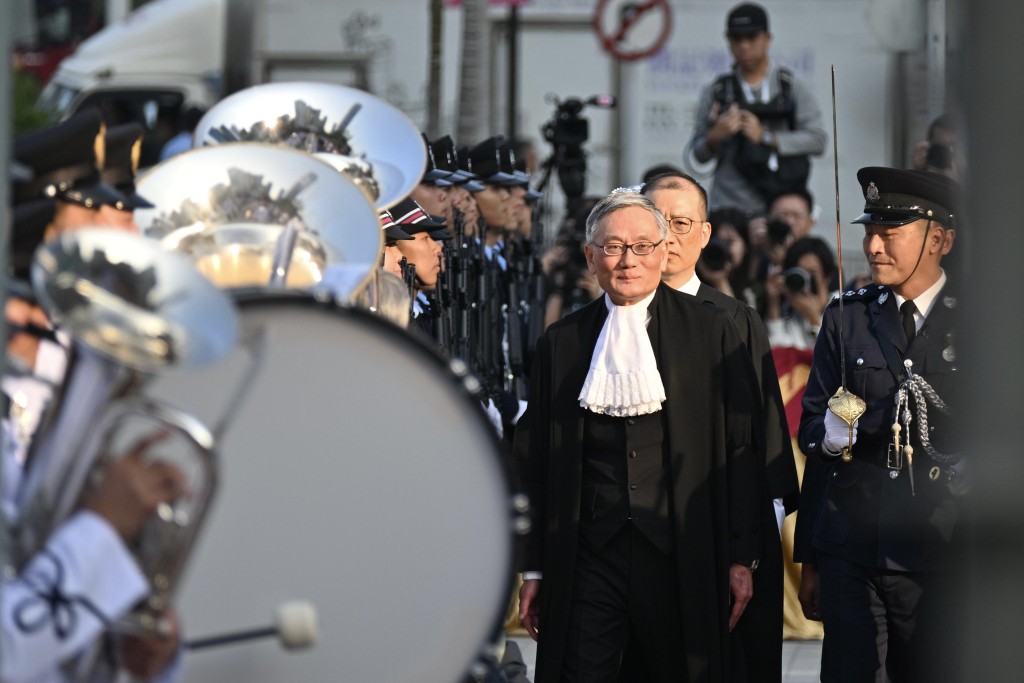
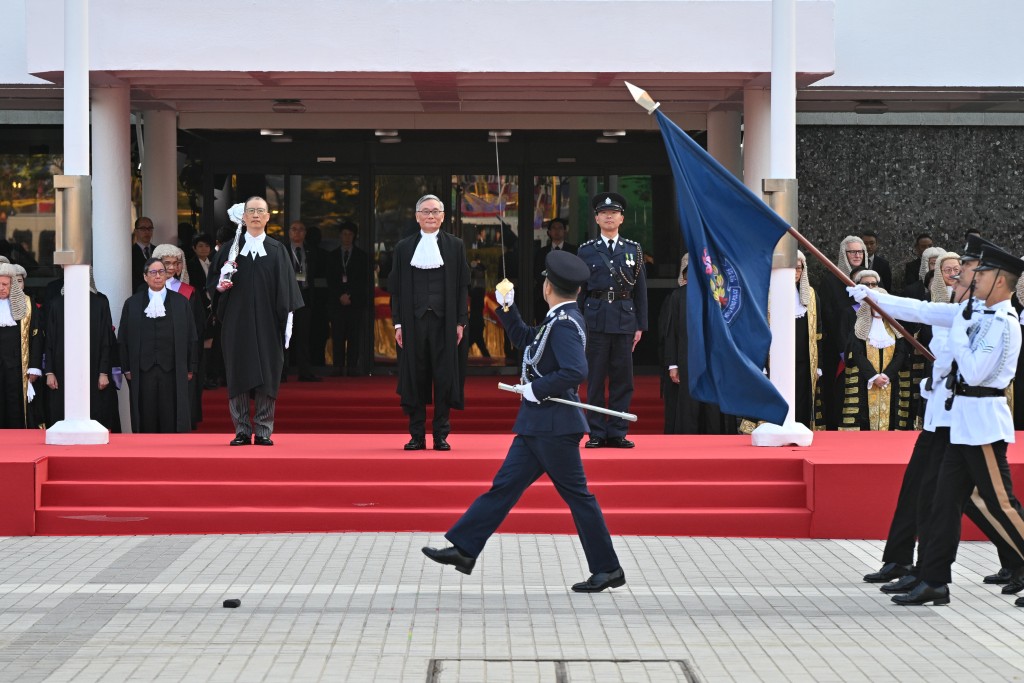
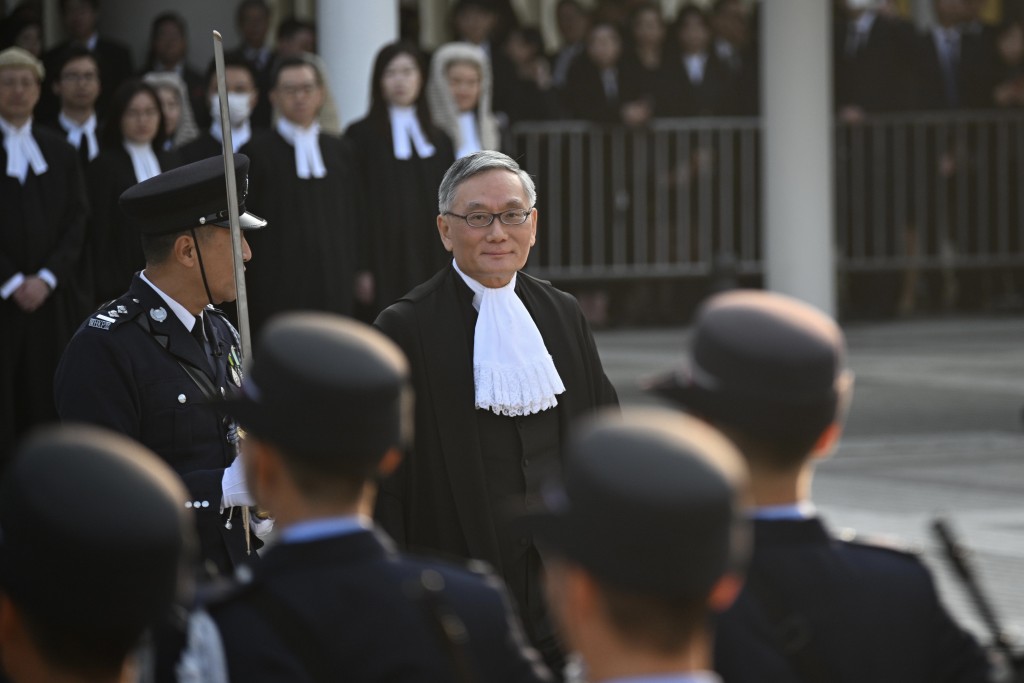
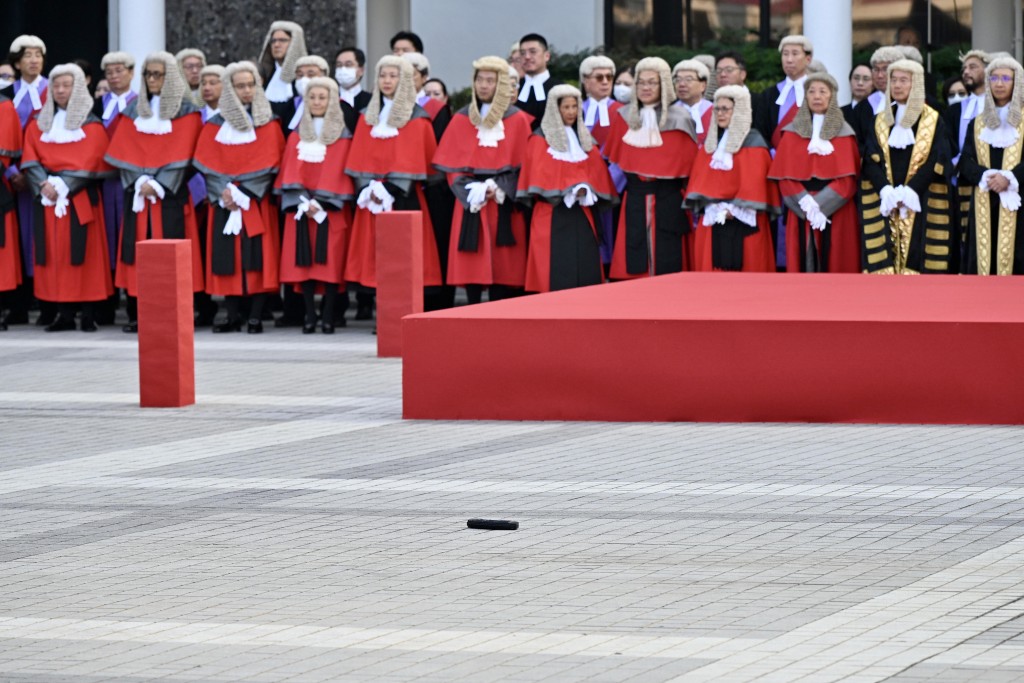
As the Ceremonial Opening of the Legal Year 2026 took place on Monday, Chief Justice Andrew Cheung Kui-nung stressed that court decisions are based solely on law and evidence in the case of Jimmy Lai Chee-ying, condemning calls to sanction judges as akin to bribery and corruption, which undermine the integrity of justice.
ADVERTISEMENT
SCROLL TO CONTINUE WITH CONTENT
Cheung noted that Lai and his company were convicted for national security and conspiracy offences, which has drawn significant international attention and commentary. He remarked that, given the current geopolitical tensions, there has been criticism of the prosecution, verdicts, the courts and the rule of law in Hong Kong.
However, he stressed that the legal proceedings are ongoing and refrained from commenting on the merits of the case, instead highlighting several key principles.
Cheung acknowledged that “few court decisions please everyone”, yet the strength of Hong Kong’s judicial system lies in its adherence to the law and its openness to scrutiny, no different from other developed common law jurisdictions.
He said the Hong Kong’s Basic Law, general laws and national security laws ensure the court’s independence and the right to a fair trial. “They require that court decisions be based on the evidence and legal arguments presented, and not on extraneous considerations or public pressure,” he said.
+2
Regarding criticism of judges, Cheung defended the integrity of the judiciary, asserting that judges execute their duties fairly and impartially.
“Any suggestion that a judge would compromise their conscience or integrity for political or other extraneous considerations when hearing a case is, by its very nature, a serious one that should not be made without cogent evidence. Bald and unsubstantiated allegations of this kind merely indicate that the criticisms may themselves be influenced by political or other extraneous considerations,” he said.
Cheung expressed weariness over claims that rule of law is dead whenever a court reaches a result one finds unpalatable, reiterating that Hong Kong’s rule of law is “far more robust and enduring than the outcome of any single case.”
“It cannot be that the rule of law is alive one day, dead the next, and resurrected on the third, depending on whether the Government or another party happens to prevail in court on a particular day. Such a claim needs only to be stated to highlight how untenable it is,” he said.
He also addressed calls to suspend proceedings or release a defendant, reaffirming that such requests circumvent established legal accountability and “strike at the very heart of the rule of law itself.”
As for calls from foreign politicians to sanction judges, Cheung indicated that any threats to judges, regardless of how they are framed, constitute an obvious attempt to interfere with judicial independence.
“Intimidation and threats are no different from bribery and corruption, they being, in truth, two sides of the same coin. Both are means of subverting justice, and have absolutely no place in a civilised society governed by the rule of law,” he said.
Cheung added that public confidence in the rule of law should not be affected by differing viewpoints between the branches of government.
In addition, in response to the Wang Fuk Court inferno, Cheung stated that the judiciary has announced a series of measures to expedite and prioritize legal proceedings arising from the fire.
A support team has been set up to assist with probate matters and liaise with relevant departments. Probate-related fees for deceased victims will be waived, with other fee concessions to be considered on a case-by-case basis.