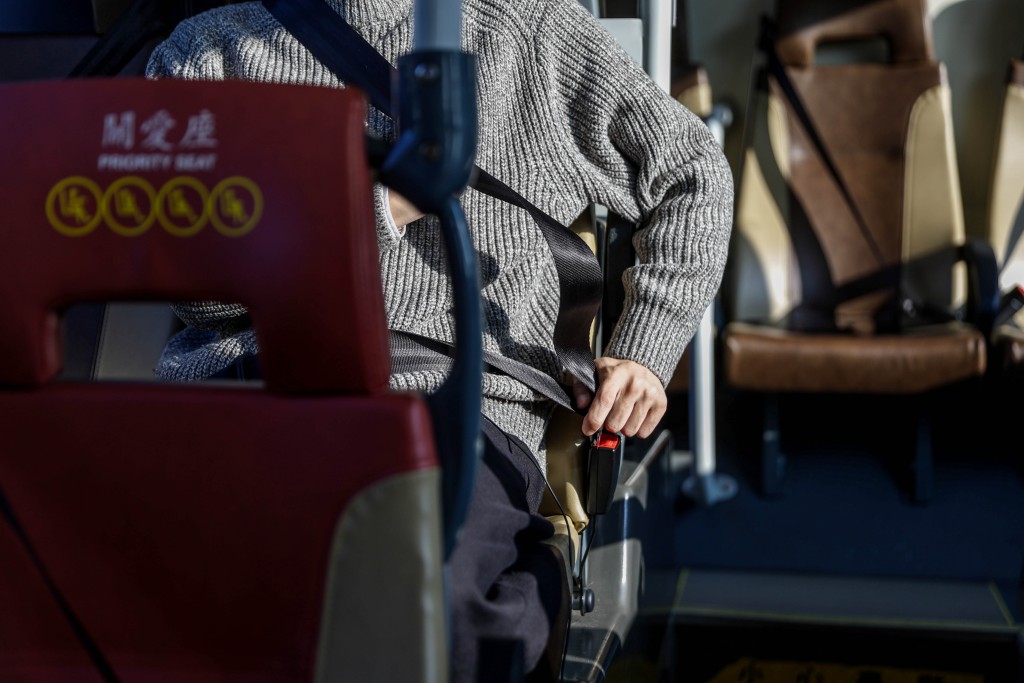
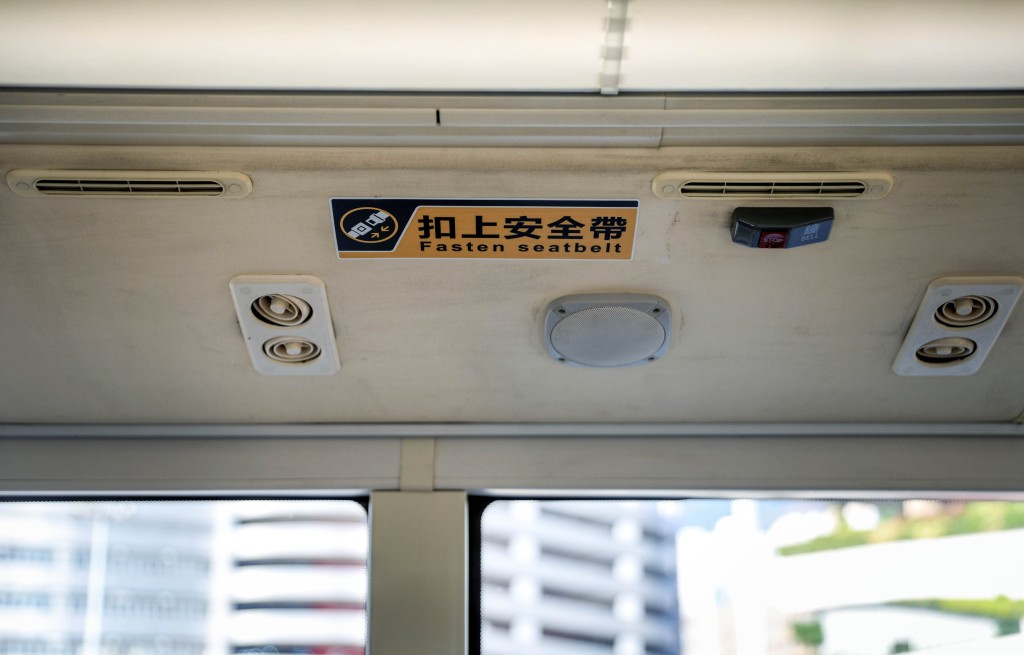
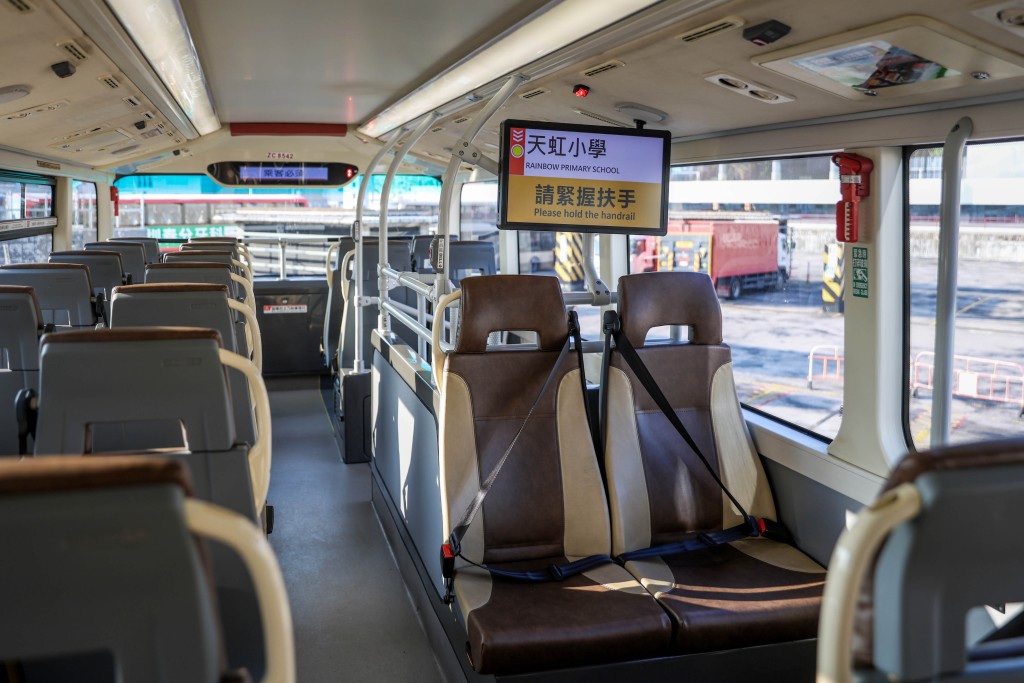
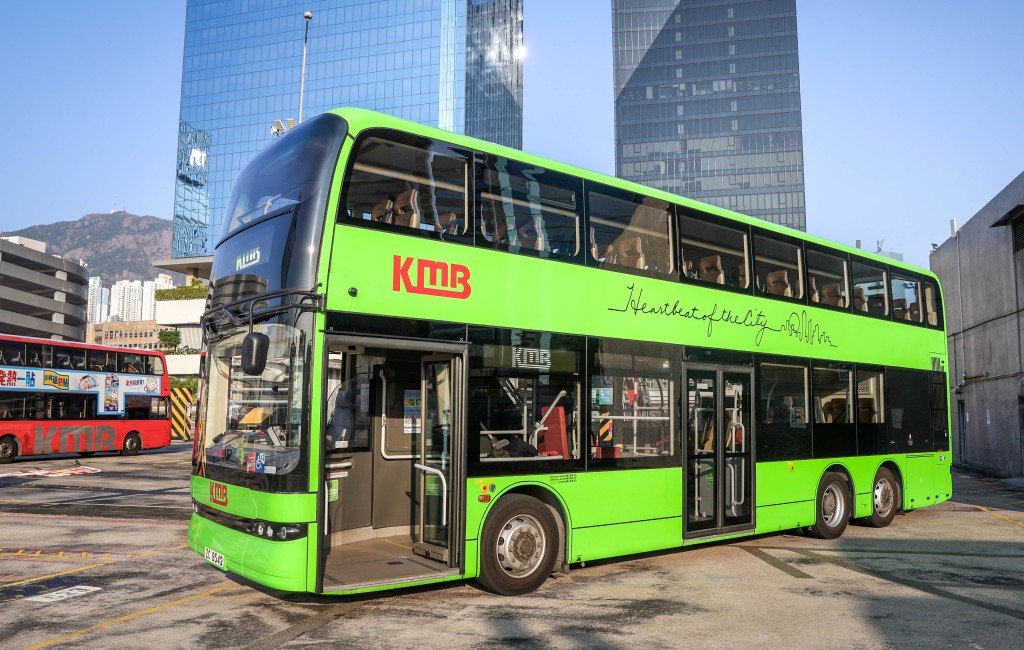
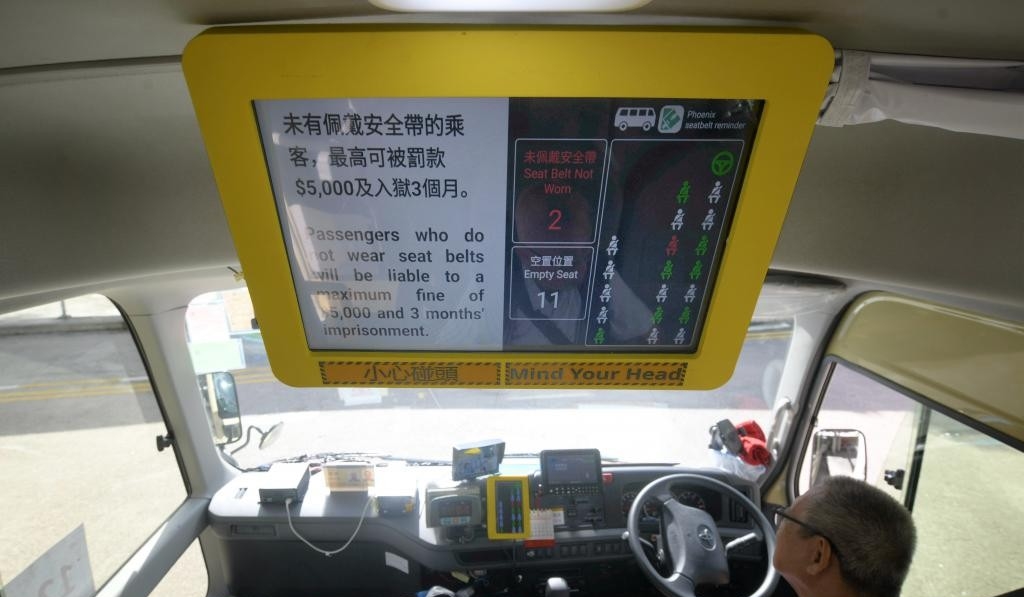
A new seat belt rule for passengers on buses, minibuses, goods vehicles and special-purpose vehicles takes effect on January 25, the Transport Department said on Tuesday.
Under the amended road traffic regulations, owners and drivers must ensure seat belts are in good working order. Research shows wearing a seat belt can reduce the risk of death by about 40 percent and serious injury by about 70 percent in head-on collisions.
Bus passengers can still choose to sit or stand on the lower deck. Seat belts provide critical protection for seated passengers during accidents. Franchised buses also have safety features like continuous handrails, exit-door handrails and non-slip flooring for standing passengers.
Franchised bus operators must regularly inspect, maintain and repair seat belts to ensure proper function and will communicate with drivers to clarify responsibilities.
Kowloon Motor Bus has issued internal guidelines. If a driver notices or is told a seat belt is faulty, they should record it when safe and report it at the terminal. Drivers are not required to check every belt individually. Each bus undergoes daily, monthly and annual inspections to ensure all equipment, including seat belts, works properly.