Read More




Night Recap - June 2, 2026
3 hours ago








Typhoon signals depend on low-pressure system’s track and speed, say HKO
01-06-2026 20:17 HKT


HK to bake in 36-degree heat on Friday before five-day rain spell
01-06-2026 17:31 HKT
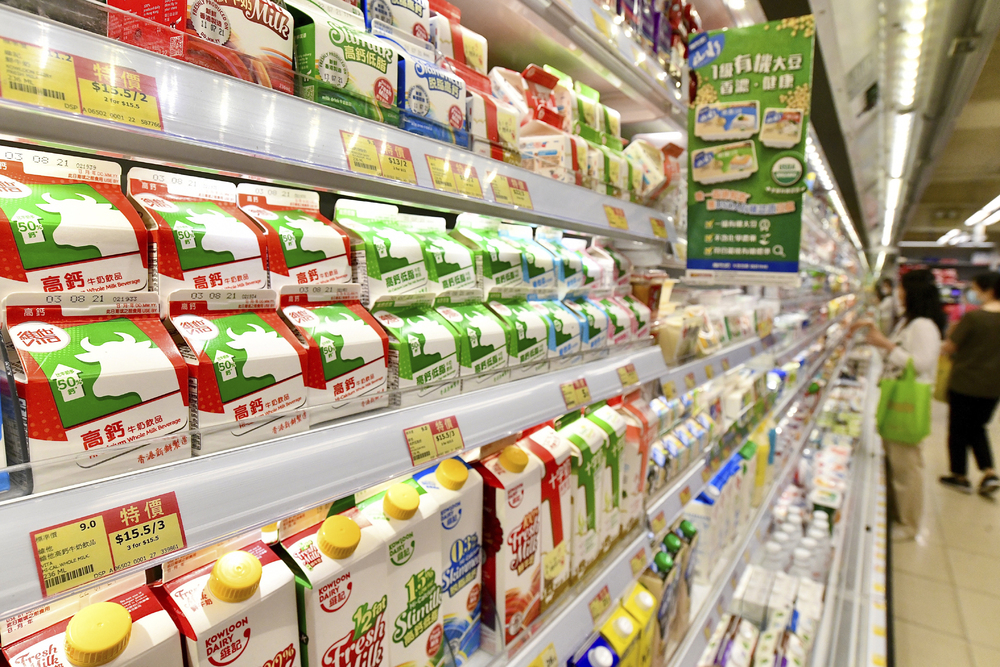
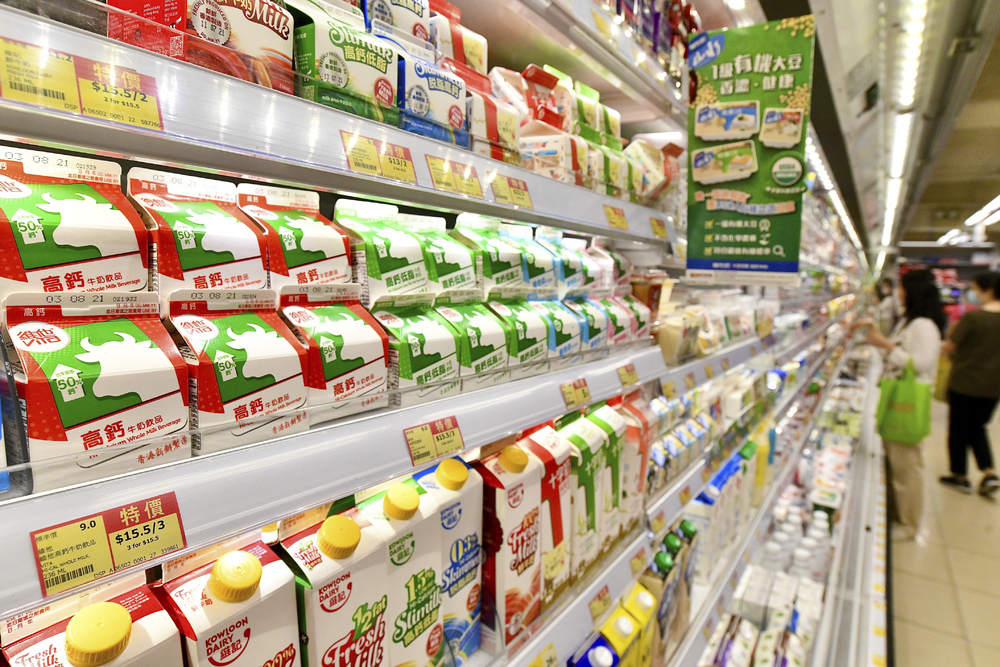
The calcium content in "high calcium" milk beverages can vary a lot - with one product containing double that of another, the Consumer Council has found.
The watchdog tested 40 samples of milk products priced from HK$6.90 to HK$67.90, including 26 ultra-high temperature processed samples that can be stored in room temperature and 14 pasteurized samples that have to be refrigerated.
Thirteen reached high-calcium levels - not less than 120mg calcium per 100ml - but the calcium content varied from 121mg to 239mg per 100ml.
The other 27 samples are considered as "source of calcium" products which contain no less than 60mg calcium per 100ml.
A Dutch Lady high-calcium less-fat beverage contained 239mg calcium per 100ml, the highest in all samples, while a CP-Meiji fresh milk beverage had the lowest calcium level of 99.4mg per 100ml.
The two samples had the lowest protein level, with the CP-Meiji beverage containing 2.1g of protein per 100ml and the Dutch Lady product containing 2.5g protein per 100ml.
The rest of the samples can be viewed as a "source of protein" as they all contain no less than 3g protein per 100ml.
But the watchdog said drinking milk cannot provide enough protein as 235ml of milk only account for less than 15 percent of the recommended daily protein intake for an adult.
"Consumers, especially the health-conscious or vegetarians, should not rely on milk as the sole source of protein," said Lui Wing-cheong, vice chairman of the council's research and testing committee. The watchdog also passed three samples to the Centre for Food Safety for follow-up as their claimed protein level or calcium level were lower than detected. Among them was the CP-Meiji sample, whose protein level was 30 percent less than claimed on its nutrition label.
Two products which claimed that they are "high calcium" - a Cheer reduced fat milk drink and M&S Food British whole milk - failed to meet the requirements of no less than 120mg calcium in 100ml.
But the CFS said all three samples did not violate the rules after it considered the measurement uncertainty by the watchdog for two of the samples, while the test result by a government laboratory also showed the other sample did not break the rules.
All 40 samples did not exceed the government's requirements for milk fat content, including the product not containing less than 3.25percent of milk fat per 100ml. For skimmed milk, it should not contain more than 0.3 percent of milk fat.
"Milk with a higher fat content is richer in taste, yet consumers looking to have a lower fat intake should be mindful of this when choosing [the product]," Lui said.
sophie.hui@singtaonewscorp.com