





Read More





Morning Recap - October 7, 2026
6 hours ago

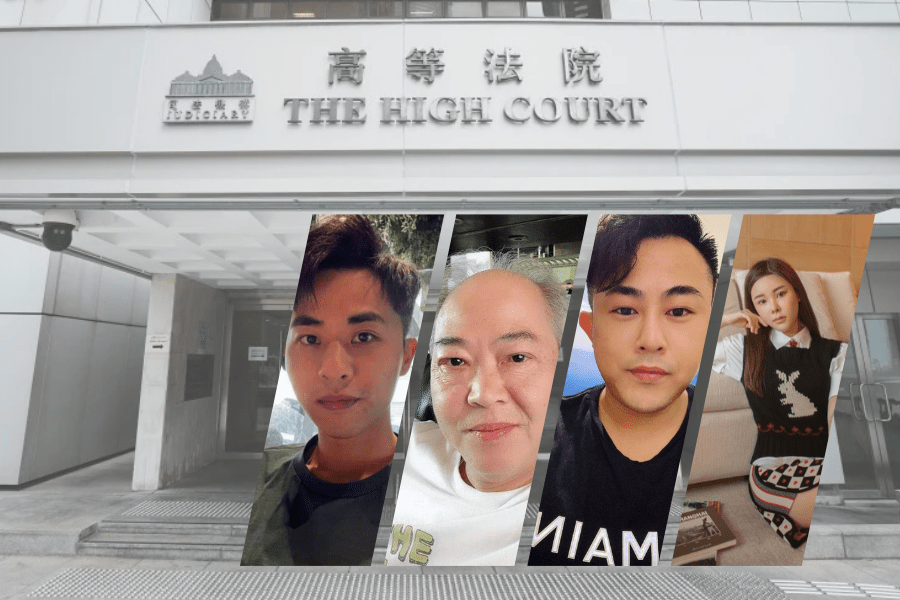
Abby Choi's remains found in soup pots with carrots, court hears
05-10-2026 13:53 HKT


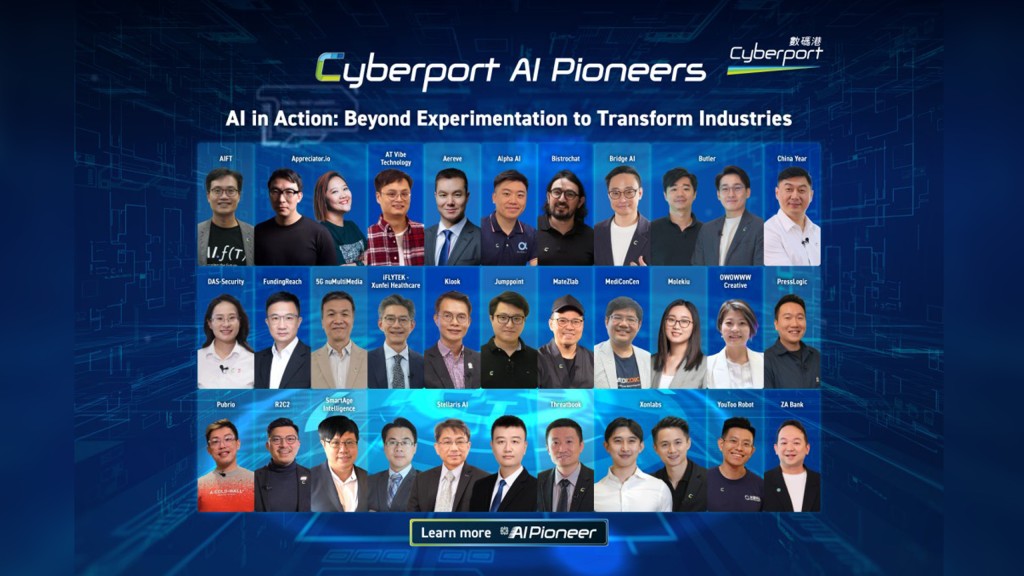
The television programme ‘AI for Humans’ has offered a comprehensive look at how Hong Kong is building a competitive and people-centred artificial intelligence (AI) ecosystem, bringing together voices from government, industry, academia, research and investment.
Hosted by Mr Nick Chan Hiu-Fung, BBS, MH, JP—Hong Kong Deputy to the National People’s Congress and a board member of Cyberport—the 17-episode series featured insights from more than 80 guests. Across the season, the programme examined how AI is reshaping Hong Kong’s economic structure and social operations, outlining a broad blueprint for development spanning policy and infrastructure, finance, smart cities, healthcare, culture and tourism, new industrialisation, and talent cultivation.
In its final episode, ‘AI for Humans’ returned to core themes, from top-level policy design to on-the-ground deployment, and from computing infrastructure to data-driven transformation. Together, these discussions painted a picture of Hong Kong steadily assembling a comprehensive AI ecosystem with growing international competitiveness amid the global AI wave.
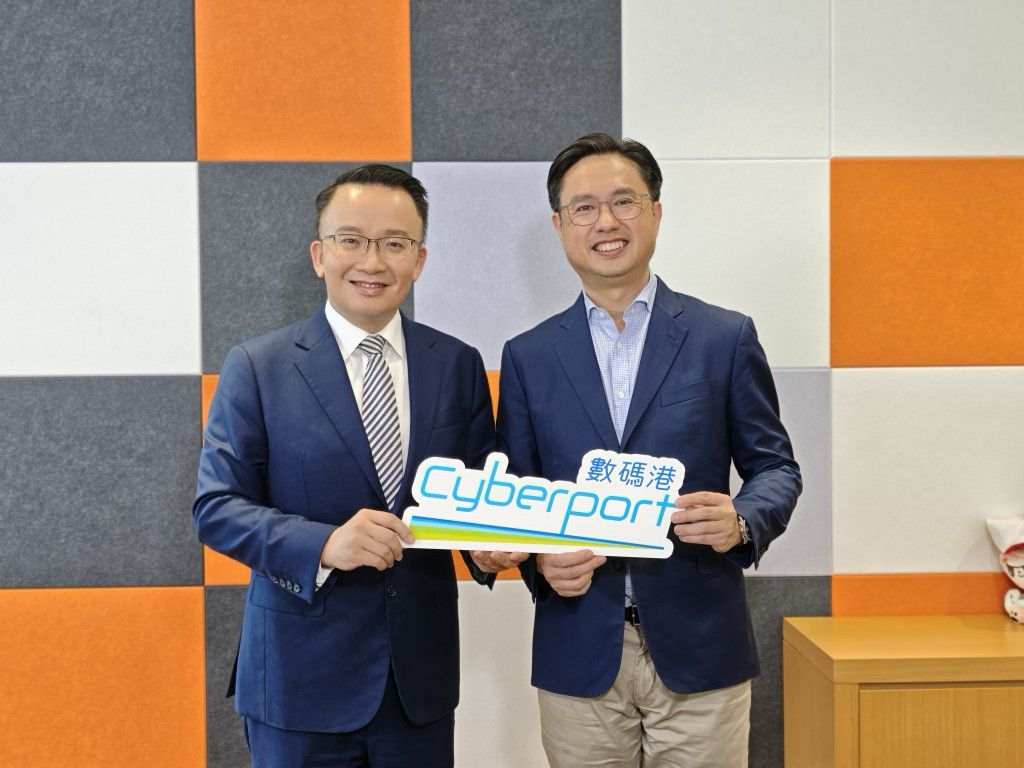
Cyberport, a key hub in this effort, has now brought together more than 500 start-ups focused on AI and big data, while establishing partnerships with global technology leaders such as Cisco and Huawei.

Professor Sun Dong, JP, Secretary for Innovation, Technology and Industry, said Hong Kong has not been absent from the current wave of AI-driven technological change. The city enjoys unique advantages as both an international and national connector, supported by a mature business environment, free flows of capital and talent, and close collaboration across sectors.
Ir Tony Wong Chi-Kong, JP, Commissioner for Digital Policy, emphasised that digital transformation is no longer optional. The Digital Policy Office, he said, is helping businesses and the public adopt technology early to strengthen overall competitiveness.
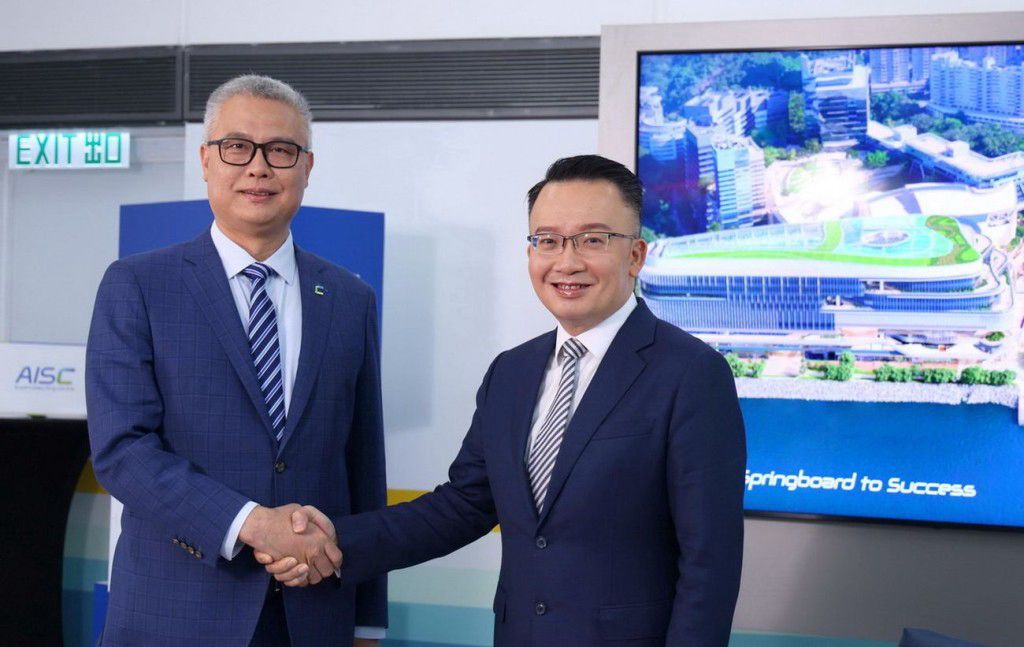
Cyberport Chairman Mr Simon Chan Sai-Ming, BBS, JP, highlighted Cyberport’s recognition by the Ministry of Science and Technology as a “state-level scientific and technological enterprise incubator”. With a strategic focus on AI, blockchain, data science and cybersecurity, Cyberport is enhancing supercomputing power, algorithms and data capabilities to support long-term ecosystem growth.
Mr Hendrick Sin Hon-Tik, MH, JP, Chairman of the Artificial Intelligence Subsidy Scheme, said Hong Kong’s total computing power stands at about 5,000P, with 3,000P concentrated at the Cyberport AI Supercomputing Centre—demonstrating the city’s ability to put “AI+” into real-world practice.
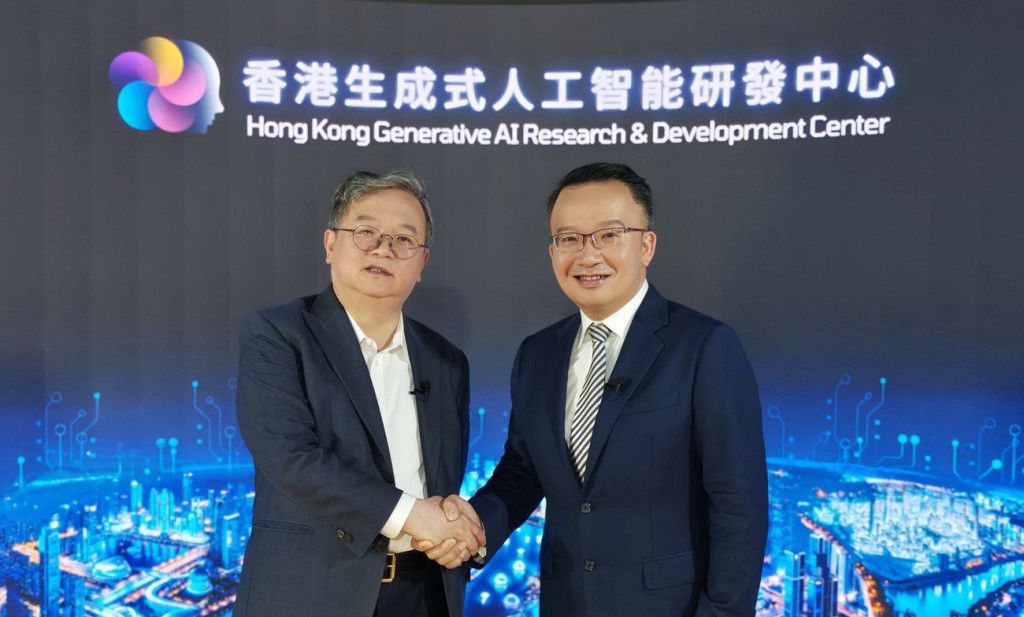
Professor Yike Guo, Provost of the Hong Kong University of Science and Technology and Director of the Hong Kong Generative AI Research and Development Centre, added that HKGAI is using Cyberport’s computing resources to train models that reflect Hong Kong’s culture, legal system and social characteristics.
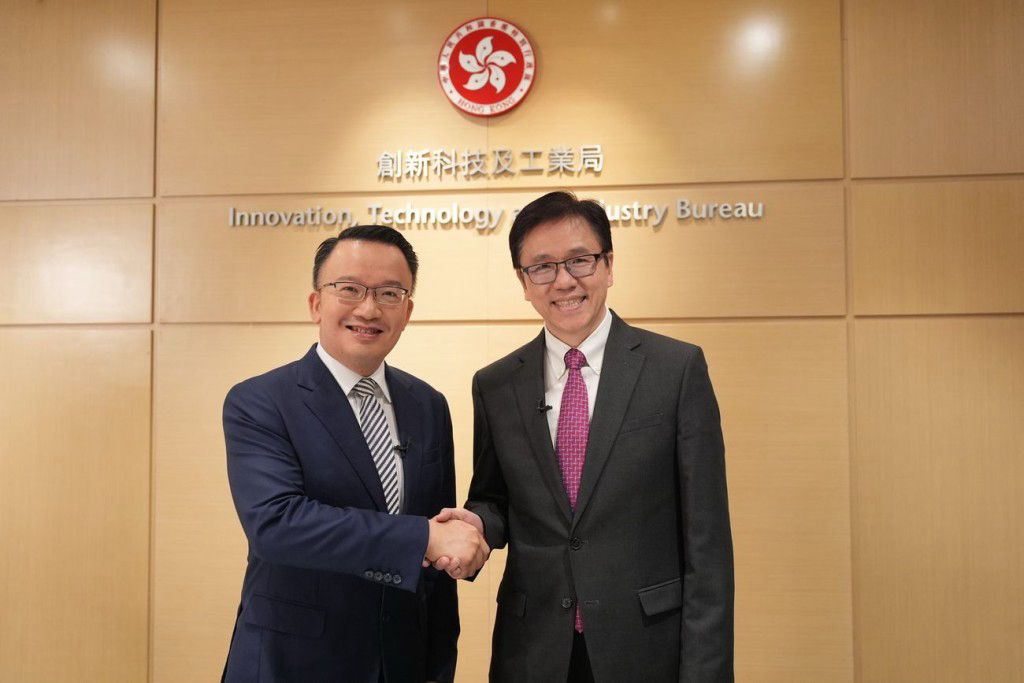
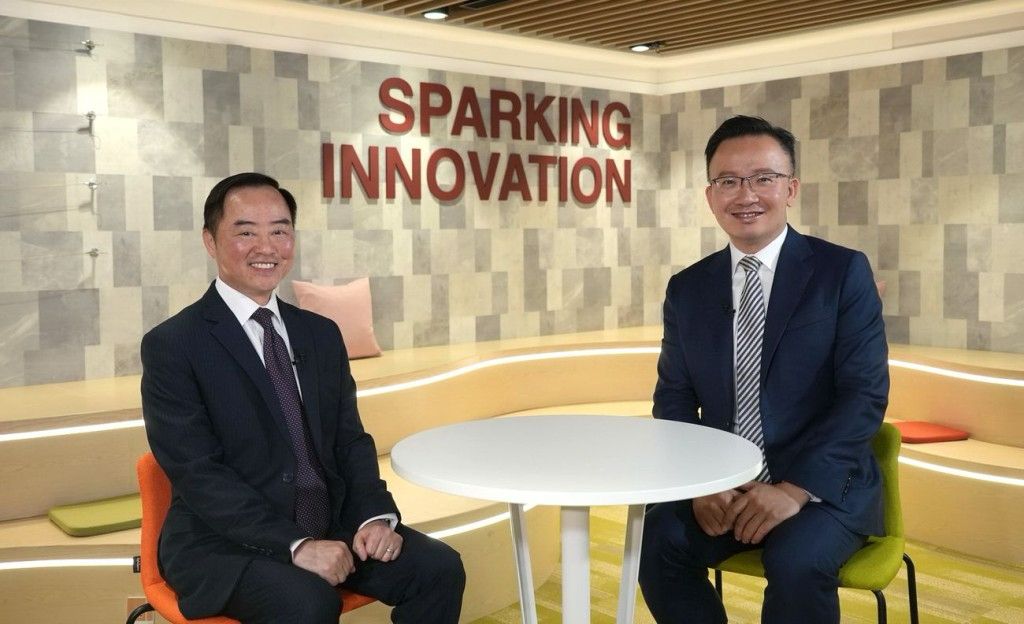
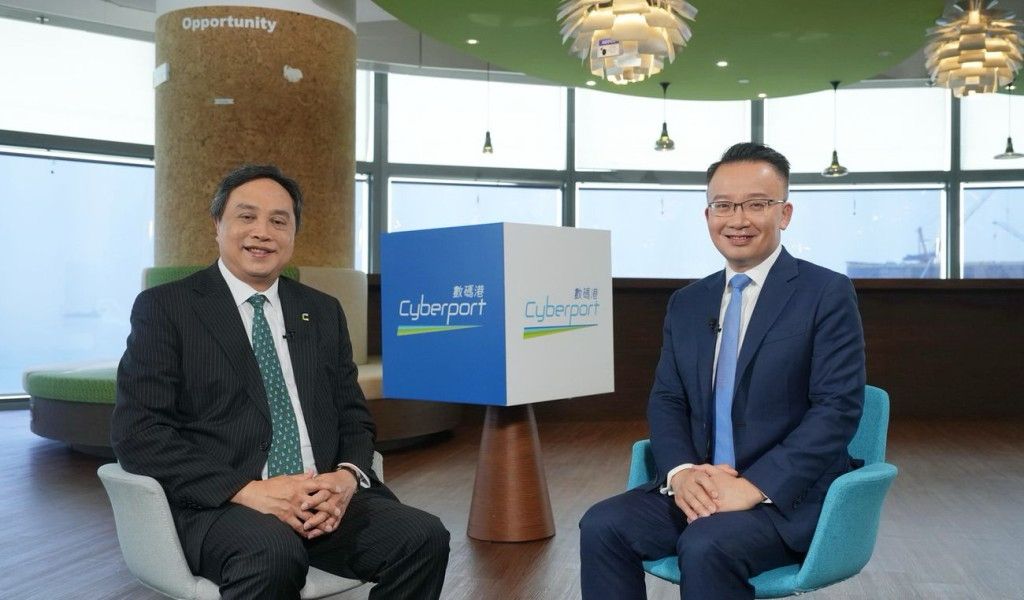
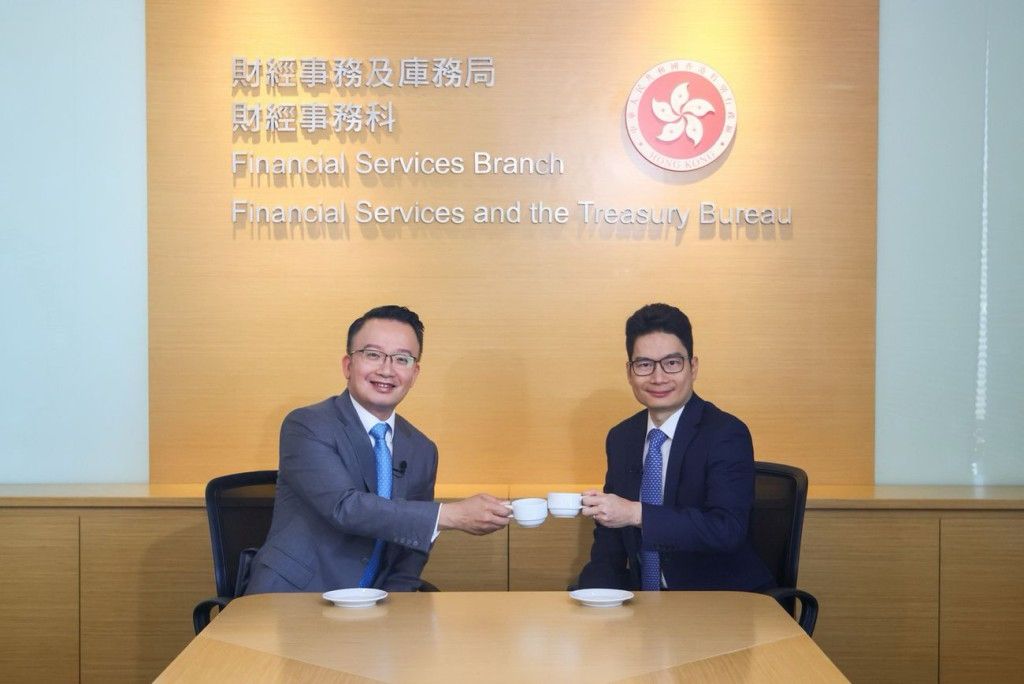
In financial services, Mr Joseph Chan Ho-Lim, JP, Under Secretary for Financial Services and the Treasury, said AI is crucial to reinforcing Hong Kong’s position as an international financial centre, while stressing that risks must be properly managed alongside opportunities.
Mr Duncan Chiu Tat-Kun, Legislative Council Member for the Technology and Innovation Constituency, said Hong Kong’s globally leading financial depth and product complexity provide a distinctive advantage for training AI for finance and expanding related tools internationally.
Dr Rocky Cheng, JP, CEO of Cyberport, said Cyberport has partnered with the Hong Kong Monetary Authority to launch the GenA.I. Sandbox, promoting responsible innovation in generative AI across the banking industry within a risk-controlled environment. Participants can leverage Cyberport’s computing power while receiving targeted supervisory feedback throughout their trials.
Companies participating in the sandbox shared practical experience, including Mr Alvin Kwock, CEO and Co-Founder of AIFT; Mr Andre Leung, Co-Founder and CEO of Aereve; and Mr Edgar Ma, Director, Compliance Hong Kong, Citibank (Hong Kong) Limited, who said the sandbox has enabled multi-party learning and collaboration.
Mr Calvin Ng, CEO of ZA Bank, said the future of digital banking depends on the proper management of AI risks. FundingReach, founded by Mr William Lam, said AI significantly reduces the cost of banking services for small and medium-sized enterprises. Ms Desiry Kong, Venture Investments Associate at HSBC Asset Management, said AI has captured strong investor interest, particularly for its potential breakthroughs in healthcare and InsurTech. Mr William Yeung, Co-Founder and CEO of MediConCen, agreed that AI can streamline claims processes, although it is unlikely to replace humans in the short term.
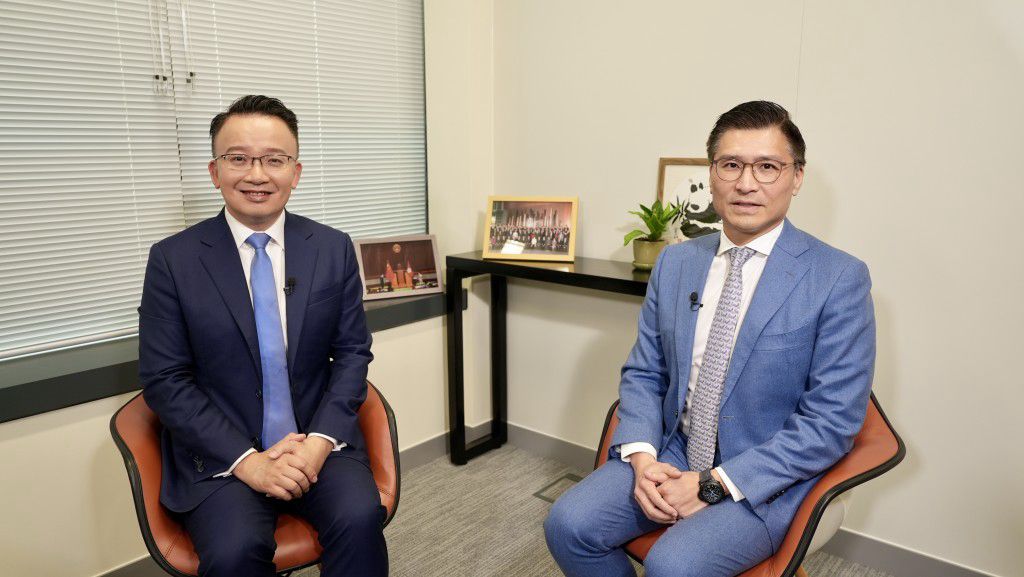
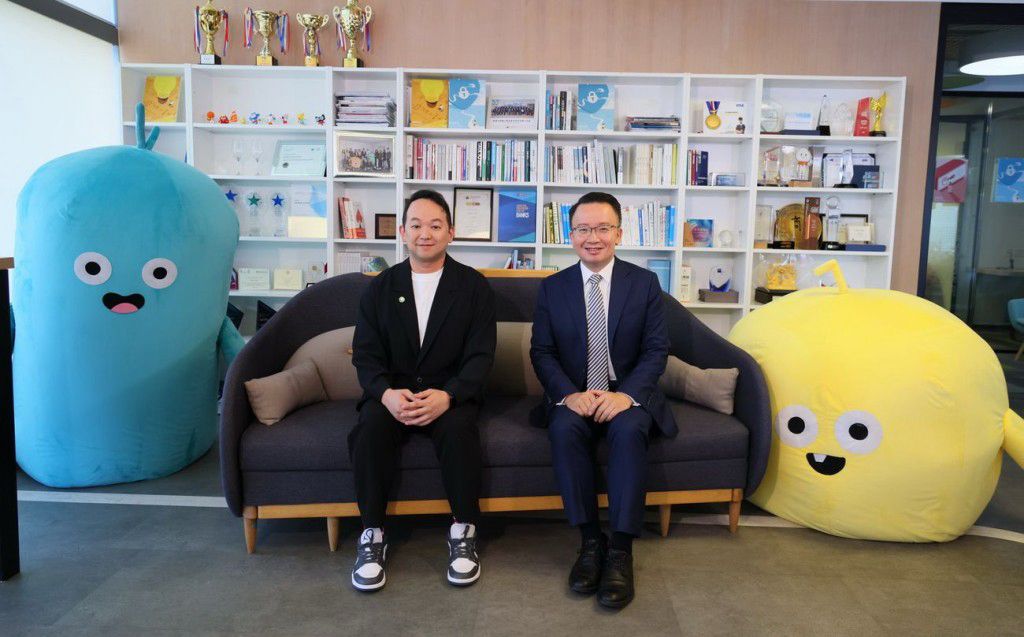
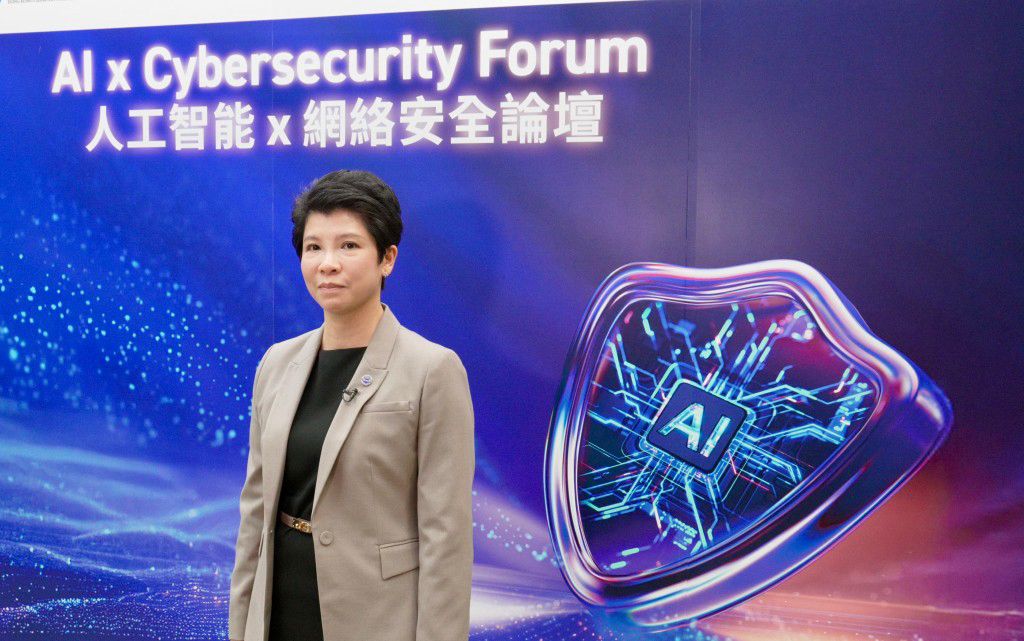
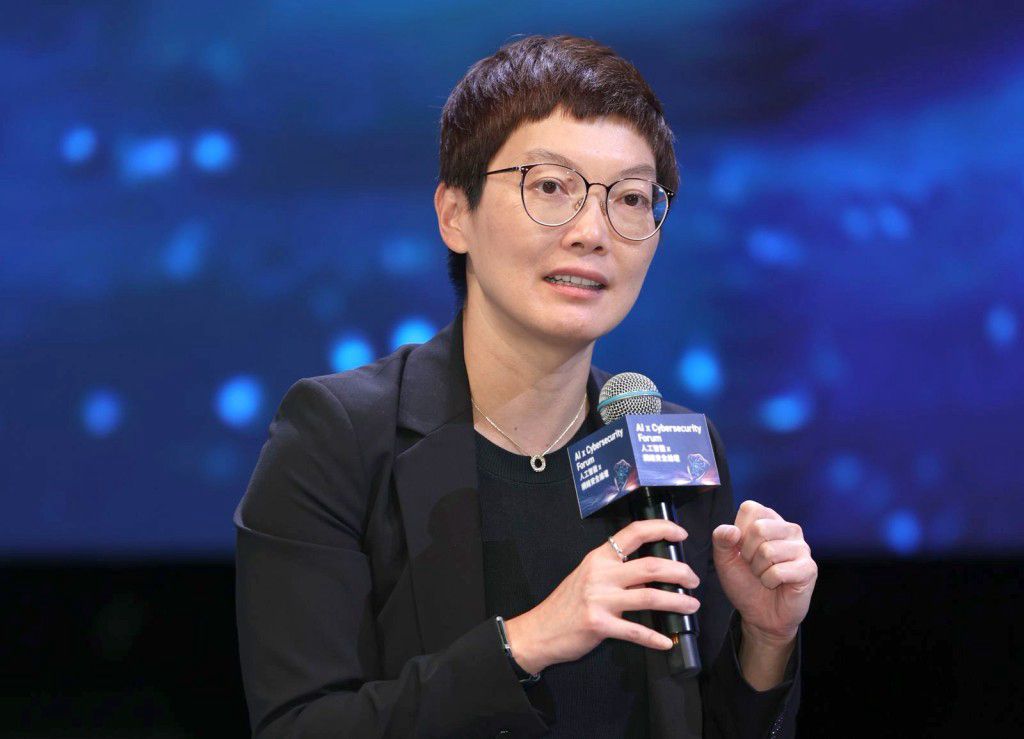
In cybersecurity, Rachel Hui, Superintendent of the Cyber Security Division, Cyber Security and Technology Crime Bureau (CSTCB) of the Hong Kong Police Force, said police are using AI to analyse criminal intelligence and proactively identify phishing websites and scam activities.
Dr Crystal Fok, Head of Business Development at Cyberport, said Cyberport is committed to building a robust cybersecurity and AI ecosystem and has already attracted more than 30 leading cybersecurity technology companies.
Ms Sophia Yang, Vice President of DAS-Security, a Cyberport leading enterprise, highlighted the approach of “using AI shields against AI spears” by introducing the company’s AI Security Service Engineer, “Bruce An”, which significantly reduces cybersecurity costs while enhancing efficiency.
Mr Chase Li, Co-Founder of ThreatBook, said the company leveraged Cyberport as a base for efficient localisation and global growth, drawing on the world’s second-largest threat intelligence community to reduce the average time required for threat detection, investigation and response. Jayant Dave, Chief Information Security Officer of Check Point Asia-Pacific and Japan, shared the company’s long-term collaboration with Cyberport in nurturing the cybersecurity ecosystem and raising public awareness.
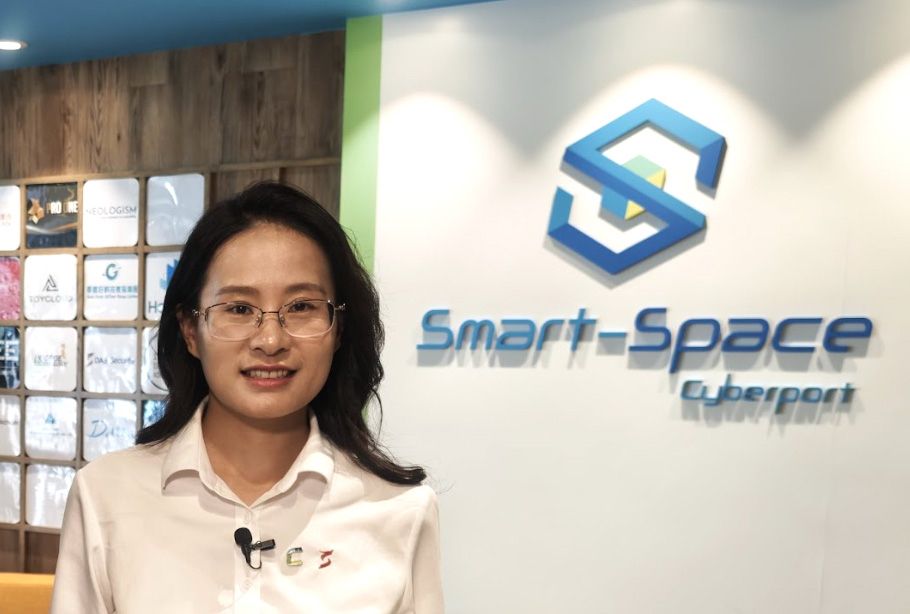
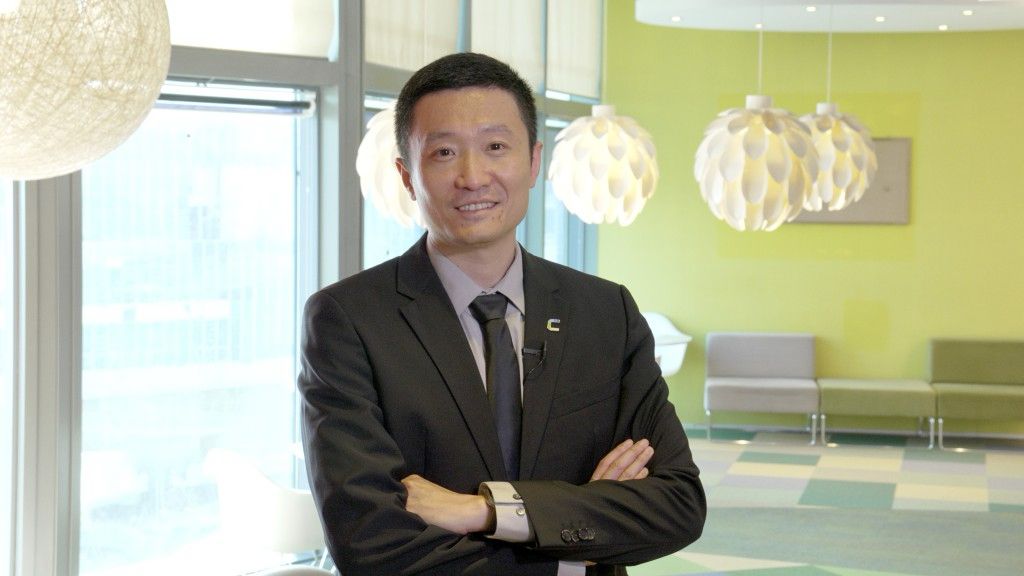
Episodes focusing on smart tourism and cultural innovation illustrated how AI can revitalise Hong Kong’s culture, foster the mega-event economy and enhance travel experiences.
Ms Rosanna Law Shuk Pui, JP, Secretary for Culture, Sports and Tourism, said the government is promoting the concept that “tourism is everywhere”, using technology to integrate culture, sports and tourism more deeply and present local traditions in a more vivid way.
Mr Sam Kwong, Senior Director of Product Management at Klook, a Cyberport unicorn, said AI can analyse travellers’ behaviour and preferences to deliver more personalised experiences, while feeding insights back to tourism authorities and partners. Mr Aska Yeung, Creative Director of MateZ Lab, a Cyberport incubatee, said AI can digitise Hong Kong’s unique intellectual property and reinterpret local culture for younger generations through immersive experiences.
Ms Rosalind Siu, Executive Director of Operations, Marketing and Entertainment at Ocean Park, said AI enhances visitor experiences while linking high-tech exhibits with conservation education. Ms Tiffany Wong, General Manager of OWOWWW Creative, said drone-swarm performances are an innovative entertainment format that also create new opportunities for young people.
Mr Alan Chan, CEO of 5G nuMultiMedia, expressed confidence in Hong Kong’s low-altitude economy, mega-event economy and tourism-and-culture-related policies. Mr Guo Yong, Founder and Chairman of China Year (Beijing) Technology, a Cyberport leading enterprise, said he hopes to use AIGC technology and national-level patents to inject new momentum into Hong Kong’s cultural industry. Ms Emily Cheung, Founder of Appreciator.io, a Cyberport incubatee, said Cyberport has enabled art experimentation and real-world deployment, allowing technology to genuinely support cultural heritage.


In healthcare, the programme showed how AI is moving beyond administration and into clinical frontlines. Dr Tao Xiaodong, CEO of Xunfei Healthcare, said the company’s AI healthcare system has delivered more than 900 million assisted diagnostic services, with its value becoming increasingly evident to patients, professionals and institutions.
Mr Kenny Chan, Chief Director of Intelligent Perception and Control Technologies at ASTRI, said the institute is developing smart hospital platforms to improve safety and operational efficiency. Mr Alan Ng, Clinical Stream Coordinator for Pharmacy at the New Territories West Cluster, said AI helps handle repetitive dispensing tasks, improves medication safety and allows pharmacists to focus more on patient care.
Mr Jason Or, Founder and CEO of SmartAge Intelligence, said AI can analyse changes in elderly people’s daily habits to identify potential health risks, enabling “prevention first and early treatment” in elderly care services.
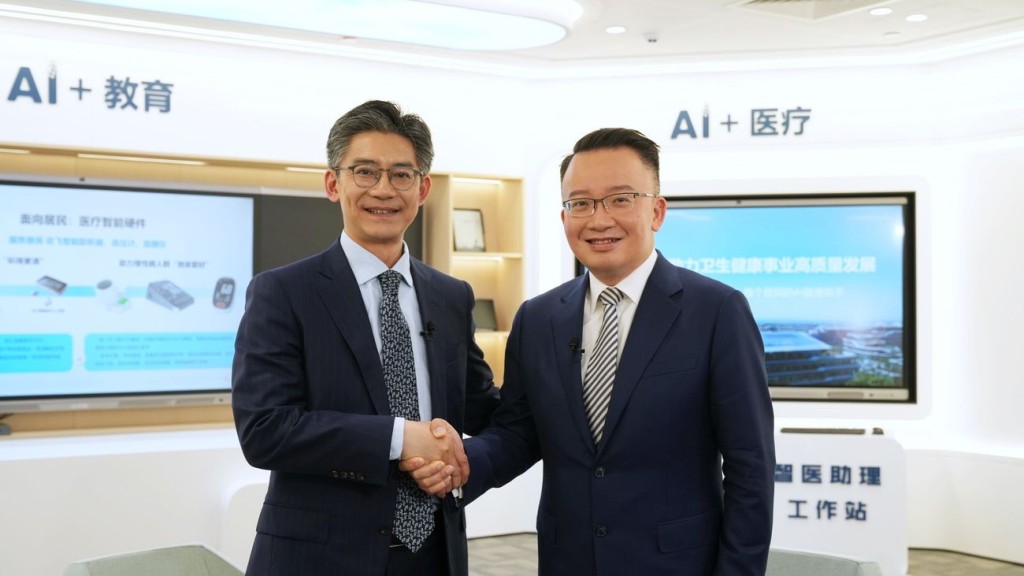
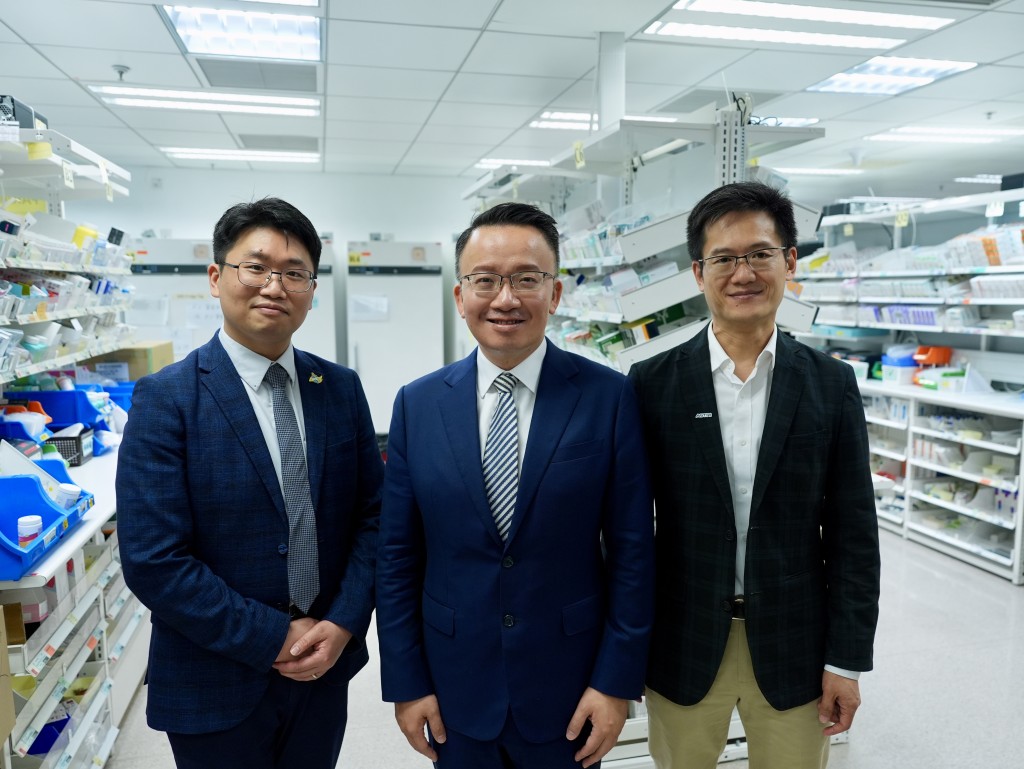
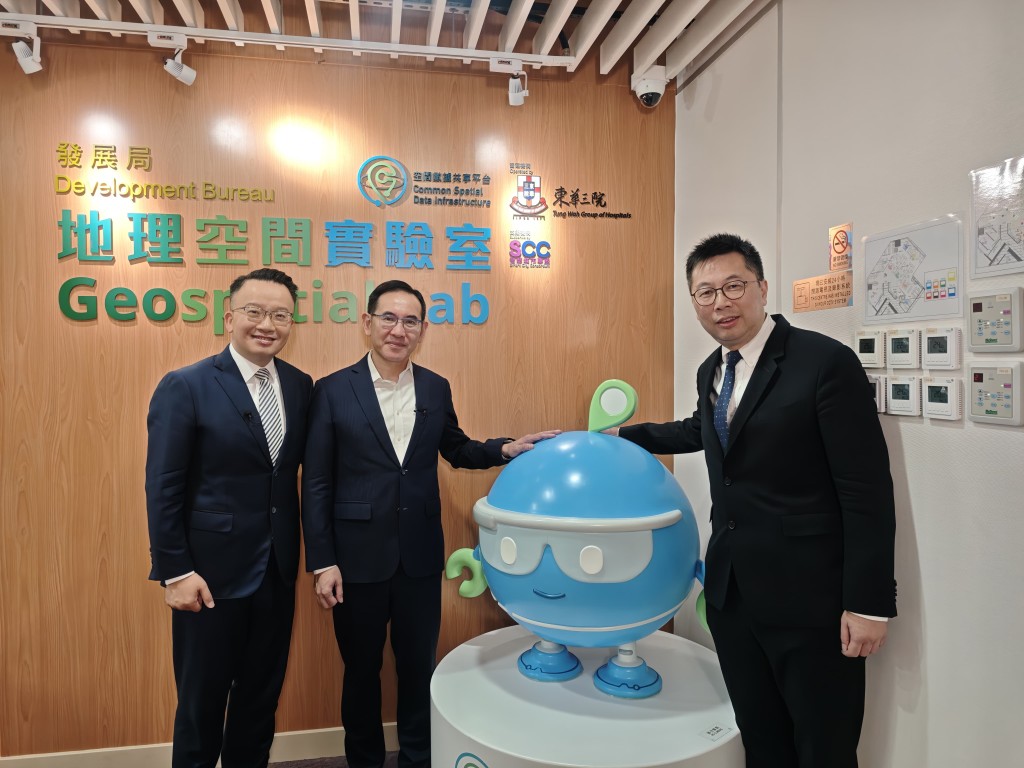
Under Secretary for Development Mr David Lam said the government firmly believes data is the foundation of a smart city, enabling safer, more comfortable and more cost-effective operations. Mr Chan Yue-Chun, Head of the Spatial Data Office of the Development Bureau, said cross-department data sharing and open spatial data are being promoted to solve real societal problems.
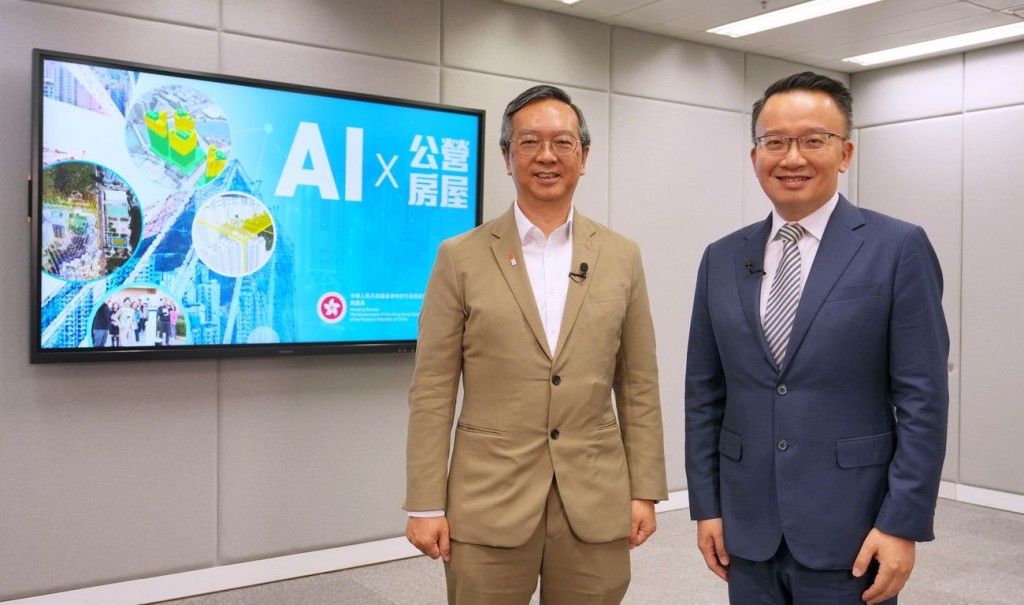
Mr Victor Tai Sheung-Shing, JP, Under Secretary for Housing, said AI is being introduced into design and robotics in estate management to enhance efficiency. Ir Eric Chan, Cyberport’s Chief Public Mission Officer, said Cyberport and the Hong Kong Housing Society have established the city’s first PropTech co-working space, Smart-Space PropTech, successfully incubating young technology entrepreneurs.
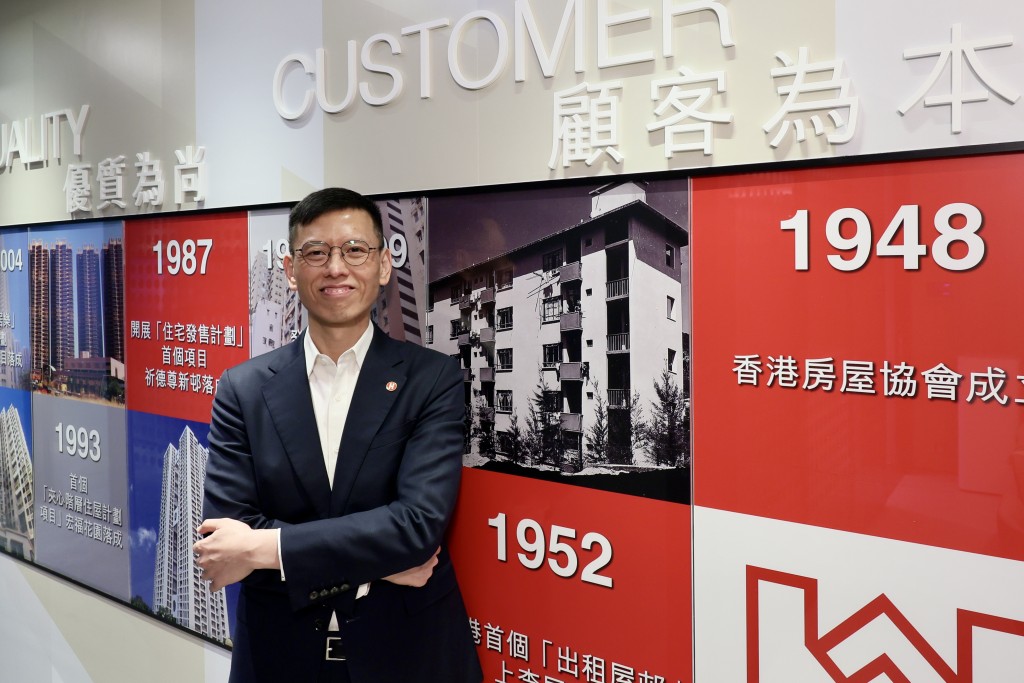
Mr Jonathan Lam and Ms Angues Chan, co-founders of Butler and participants in the PropTech Proof-of-Concept Programme, said their AI customer service system automates workflows and can benefit property management across market segments. Mr Chris Yeung, Assistant Director of Property Management at the Hong Kong Housing Society, said HKHS is leveraging innovation and technology to advance smart management towards a sustainable green smart city.
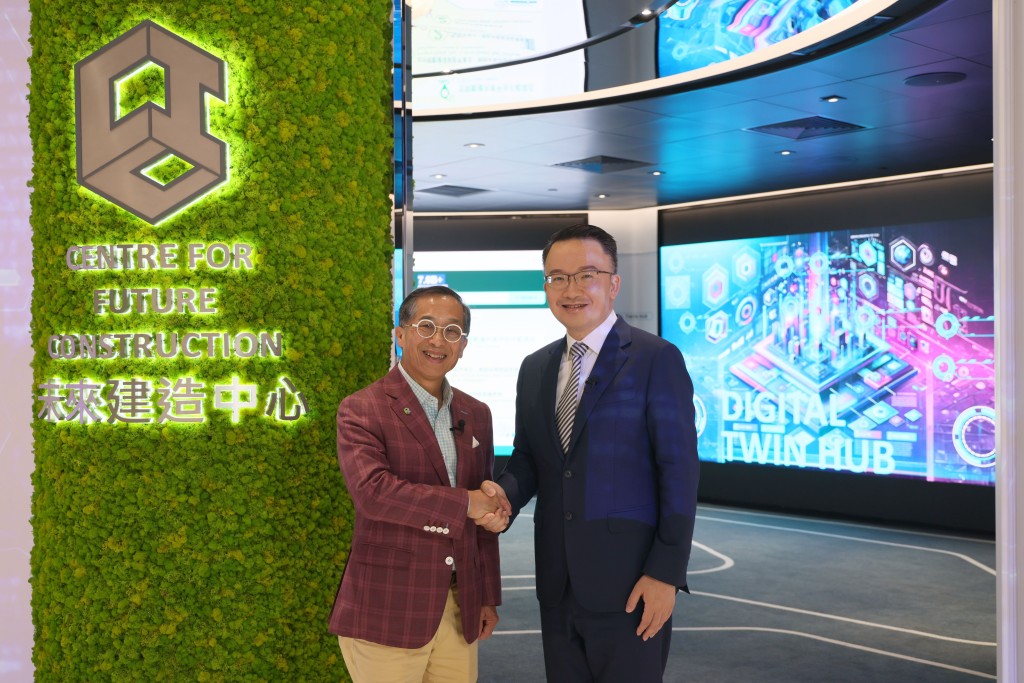
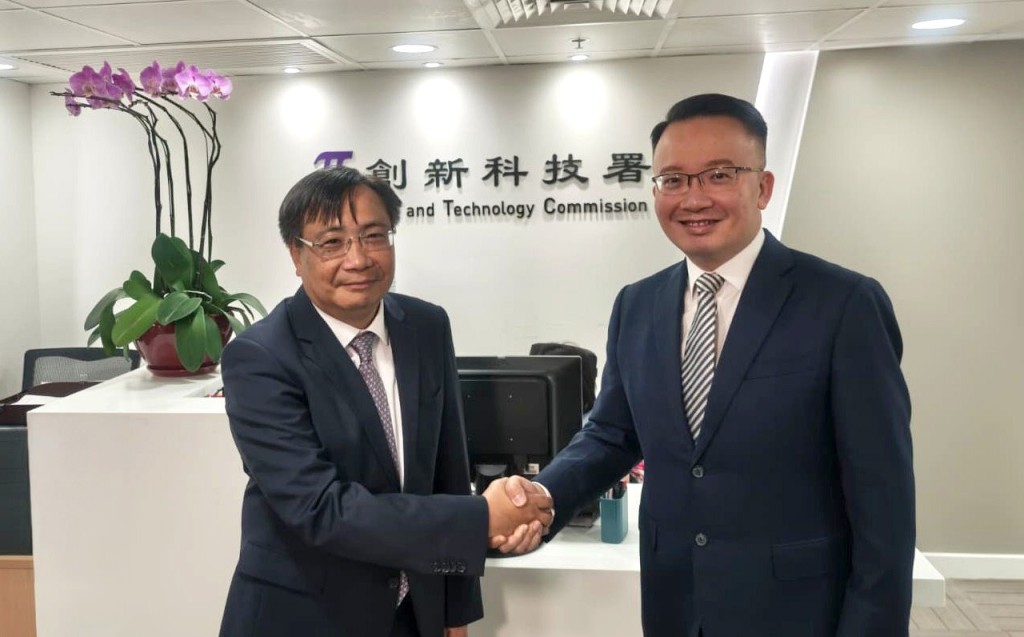
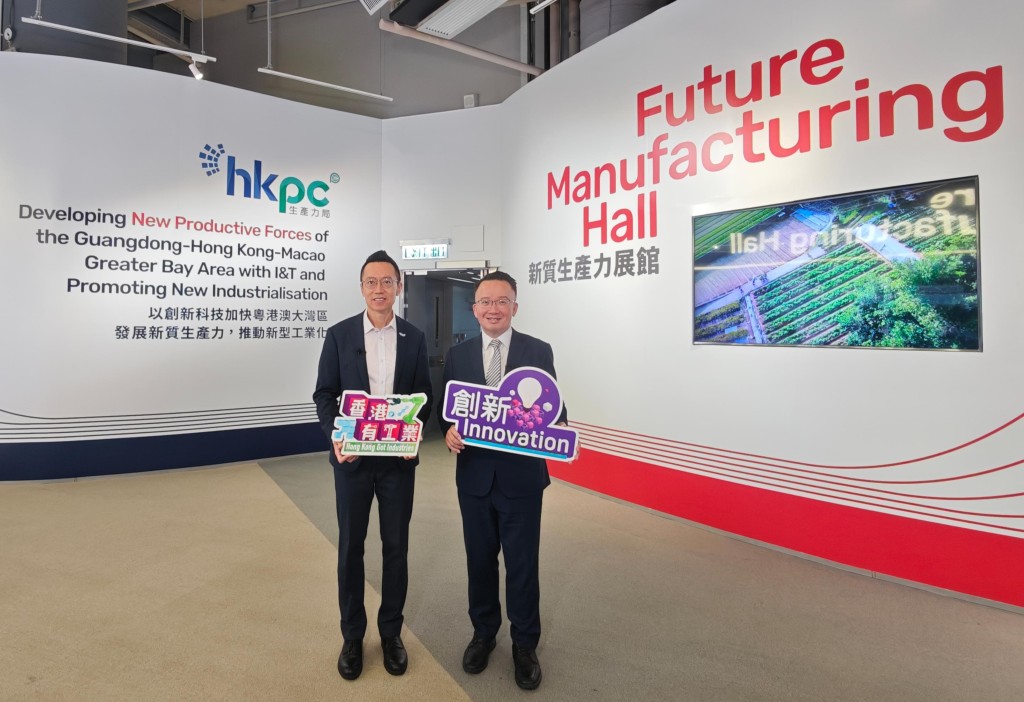
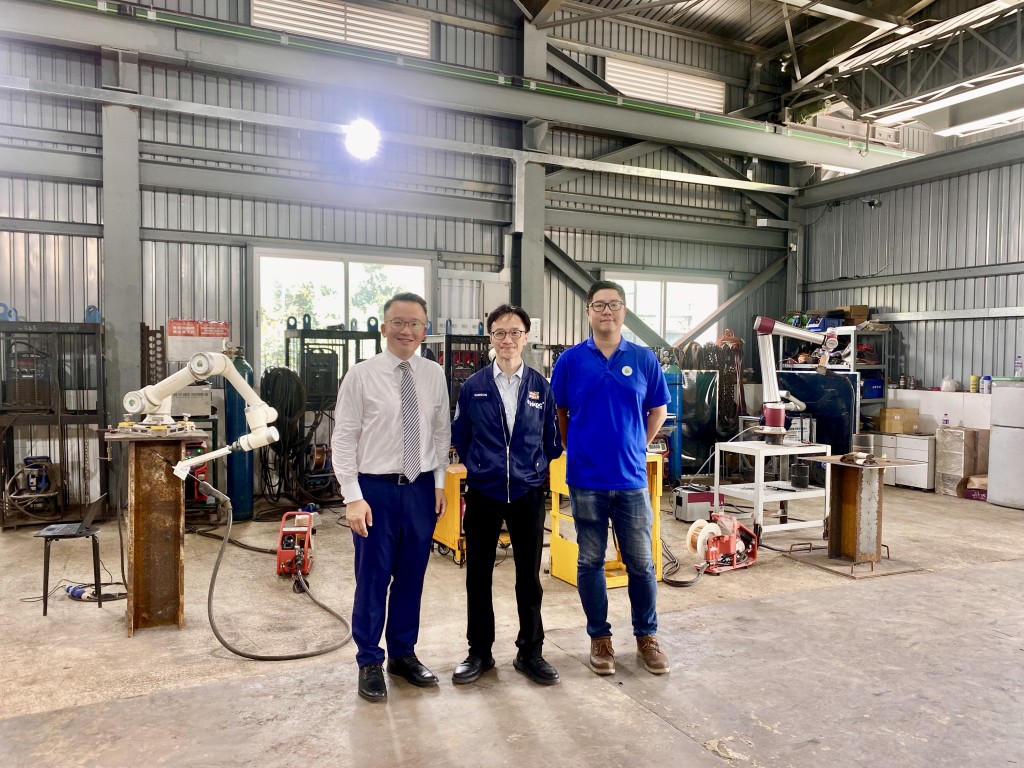
In new industrialisation, Commissioner for Innovation and Technology Mr Ivan Lee Kwok-Bun said broad AI adoption can raise output value, improve efficiency and enable real-time production monitoring. Mr Edmond Lai, Chief Digital Officer of the Hong Kong Productivity Council (HKPC), said the council supports enterprises in moving towards Industry 4.0 through training and technical assistance. Mr Wong Tsz Yeung, General Manager of Wo Lee Green Solutions Limited, shared how AI is helping digitise traditional welding skills, while Ir Samson Suen, HKPC Smart Manufacturing Division General Manager, said AI-generated data will become valuable knowledge assets for future generations.
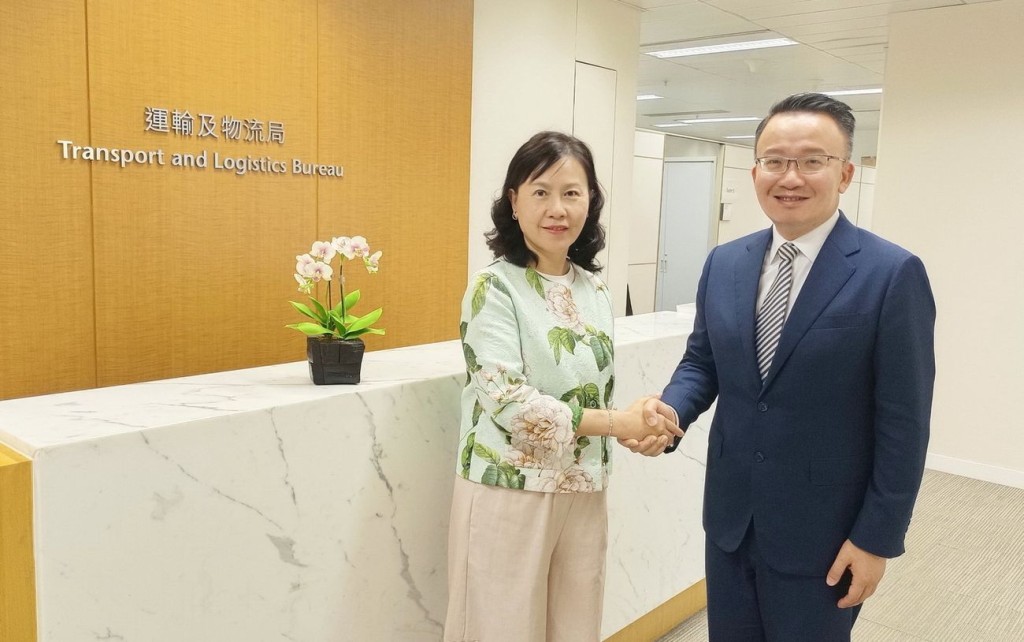
On the low-altitude economy, Ms Mable Chan, JP, Secretary for Transport and Logistics, said regulatory sandbox projects are gradually unlocking business opportunities. Mr Dominic Chow Wing-hang, Deputy Director-General of Civil Aviation, said the sandbox balances regulation with economic facilitation. Participating companies, including Alpha AI, a Cyberport incubatee, Phoenix Wings and KC Smart Mobility, said Cyberport provides an effective platform for testing drone operations and accelerating growth in the low-altitude economy.
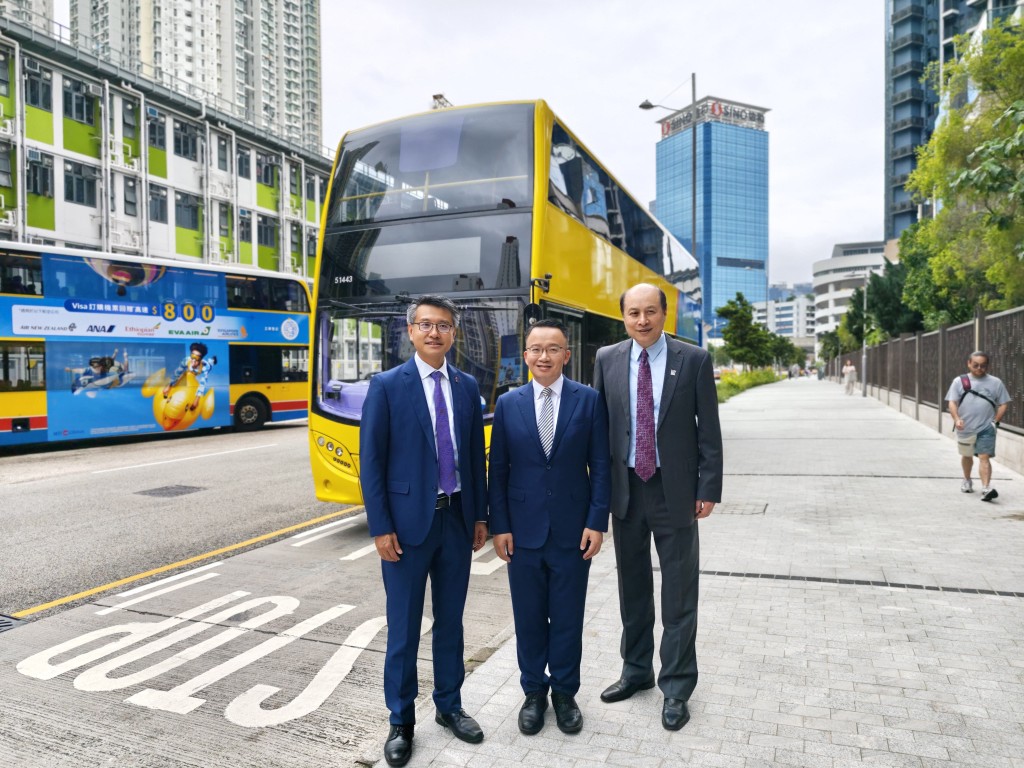
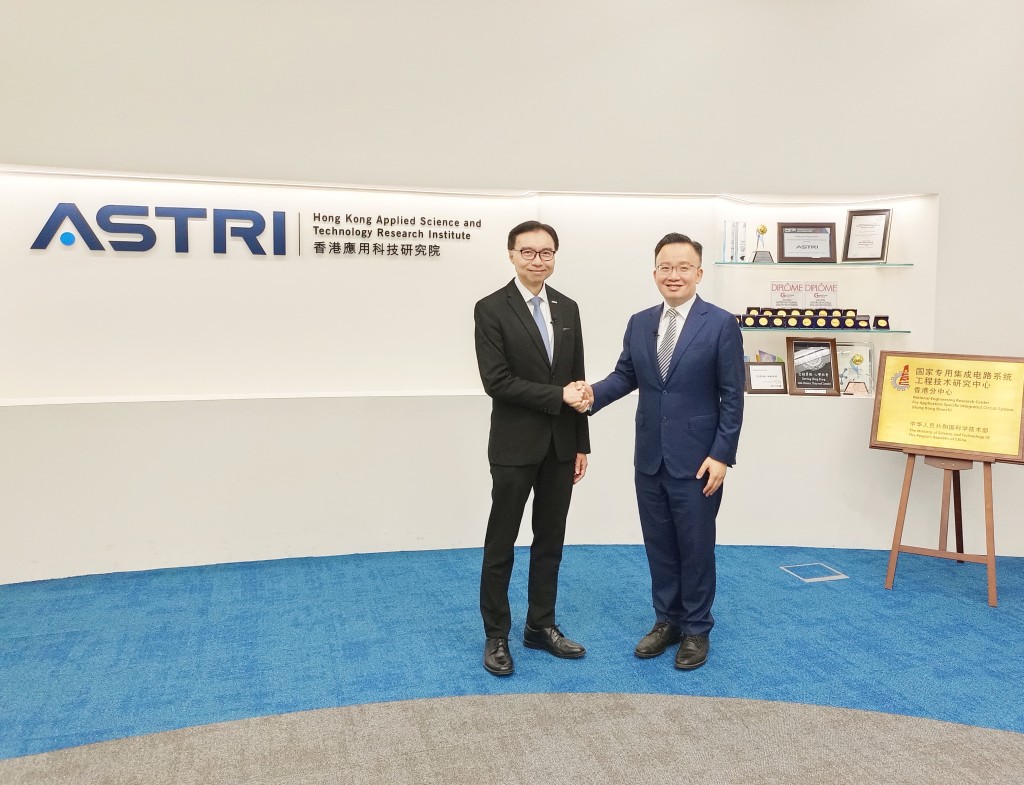
Dr Rocky Cheng, JP, said Cyberport has brought together more than 500 AI, big data and robotics companies from the Mainland and overseas, acting as Hong Kong’s AI accelerator and digital technology hub. With the opening of Cyberport 5, he said, the campus will attract even more top-tier innovation and technology talent.
Professor Hongxia Yang, Executive Director of the PolyU Academy for Artificial Intelligence and Associate Dean (Global Engagement) of the Faculty of Computer and Mathematical Sciences at The Hong Kong Polytechnic University, said Hong Kong’s eight universities—five ranked in the QS Top 100—provide a strong talent base. Many speakers agreed that future competition will hinge not on whether people are replaced by AI, but on how well they use it.
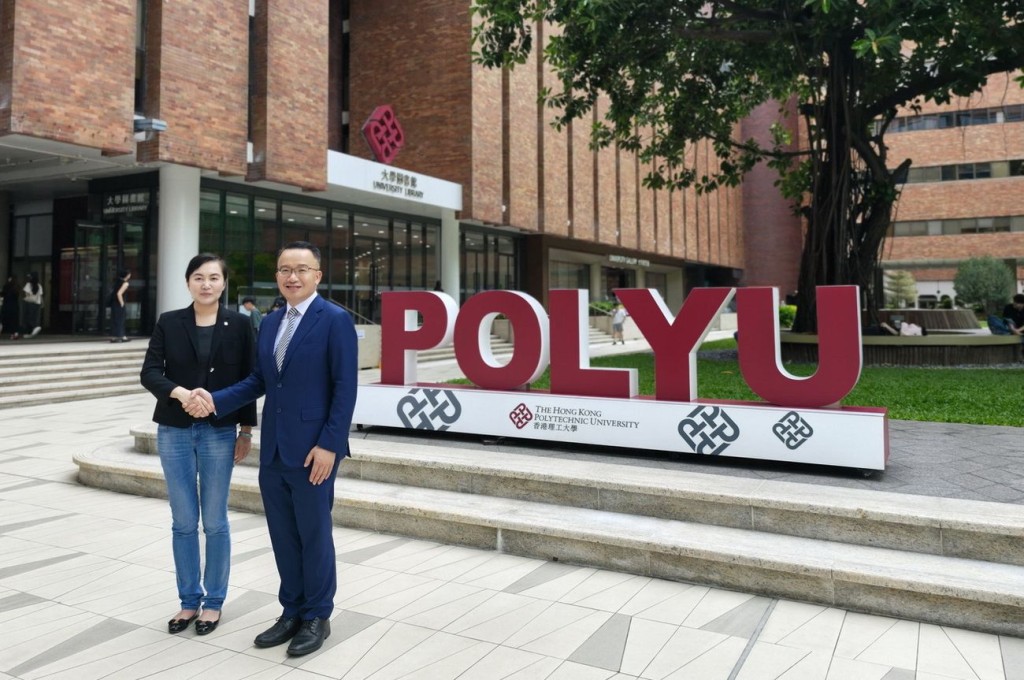
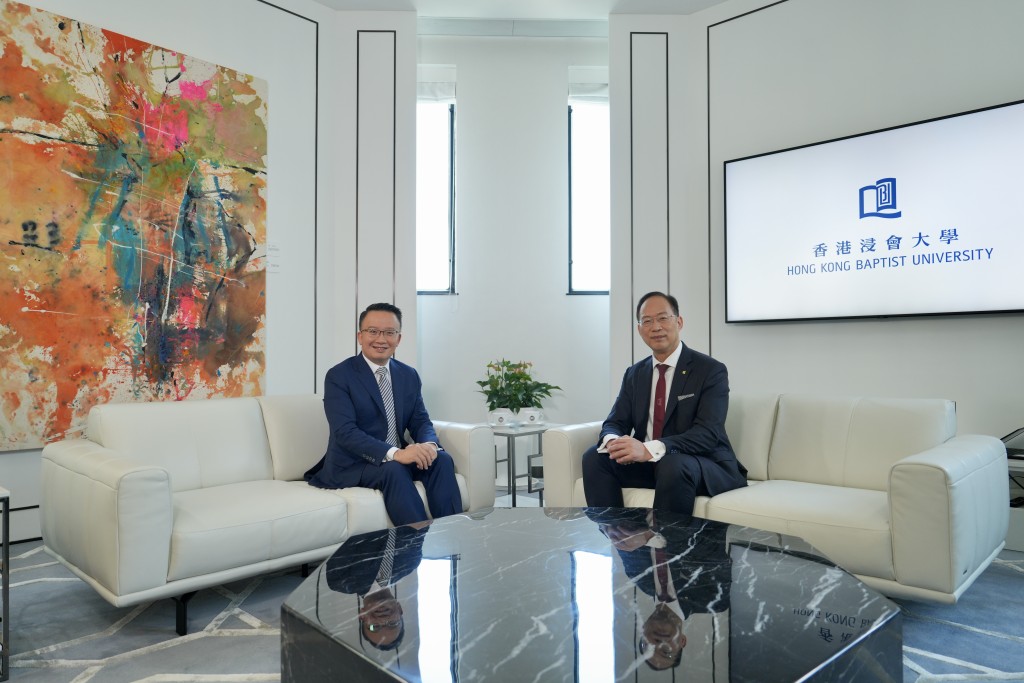
The programme’s recap of 16 episodes underscored that AI is no longer merely a technology topic, but a systemic project tied to city governance, industrial upgrading, cultural heritage and social well-being.
As ‘AI for Humans’ demonstrated, when policy, industry, academia and talent work in concert, Hong Kong is well placed to chart a distinctive path on the global AI map—truly delivering “AI for Humans”.
"AI for Humans" explore AI's impact across various sectors in the following episodes,
| Episode 1 | Strengthening Hong Kong's AI Ecosystem through Collaboration:how the Government and the industry, academia, research and investment sectors work in synergy to transform Hong Kong into an AI-powered smart city. |
| Episode 2 | AI innovation in Hong Kong and Supercomputing power. |
| Episode 3 & 4 | AI applications in the financial sector, improving services, compliance, and efficiency. |
| Episode 5 | AI in smart tourism, enabling personalised travel experiences. |
| Episode 6 | AI-driven digital transformation in logistics and new opportunities in the low-altitude economy. |
| Episode 7 | AI breakthroughs in diagnosis, treatment, and patient management in healthcare. |
| Episode 8 | Generative AI’s role in arts and culture, preserving traditional Chinese heritage. |
| Episode 9 | The AI+ Era: Becoming an irreplaceable talent and seizing opportunities in the AI field! |
| Episode 10 | Data Demystified: Practical examples to help you understand the power of data-driven business! |
| Episodes 11-16 | AI applications in education, property management, transportation, construction, manufacturing, and cybersecurity. |
| Episode 17 | AI+ era: Future opportunities and challenges i |
Cyberport AI community members are significantly accelerating the integration of AI into everyday life and business operations, impacting a wide range of business sectors.
Revisit the program to learn more about how Cyberport AI Pioneers are harnessing AI to benefit the society and reveal its boundless potential.
AIFT | Appreciator.io | AT-Vibe Technology | Aereve | Alpha AI | Bistrochat | Bridge AI | Butler | China Year | DAS-Security | FundingReach | 5GnuMultiMedia | Jumppoint | iFLYTEK - Xunfei Healthcare | Klook | MateZLab | Mediconcen | Molekiu | OWOWWW Creative | Presslogic | Pubrio | R2C2 | SmartAge Intelligence | Stellaris AI | Threatbook | Xonlabs | YouToo Robot | ZA Bank