Read More




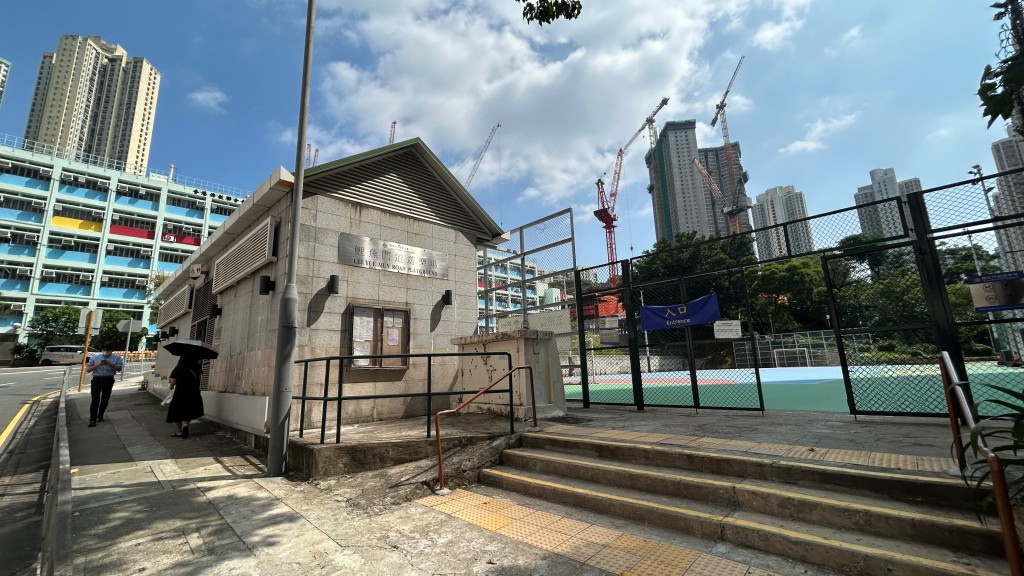










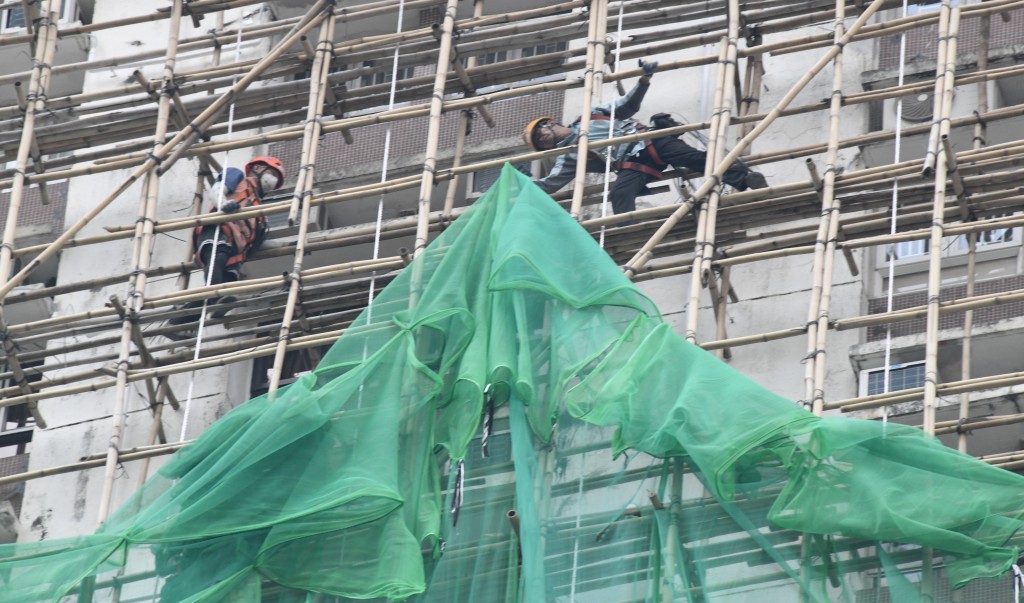
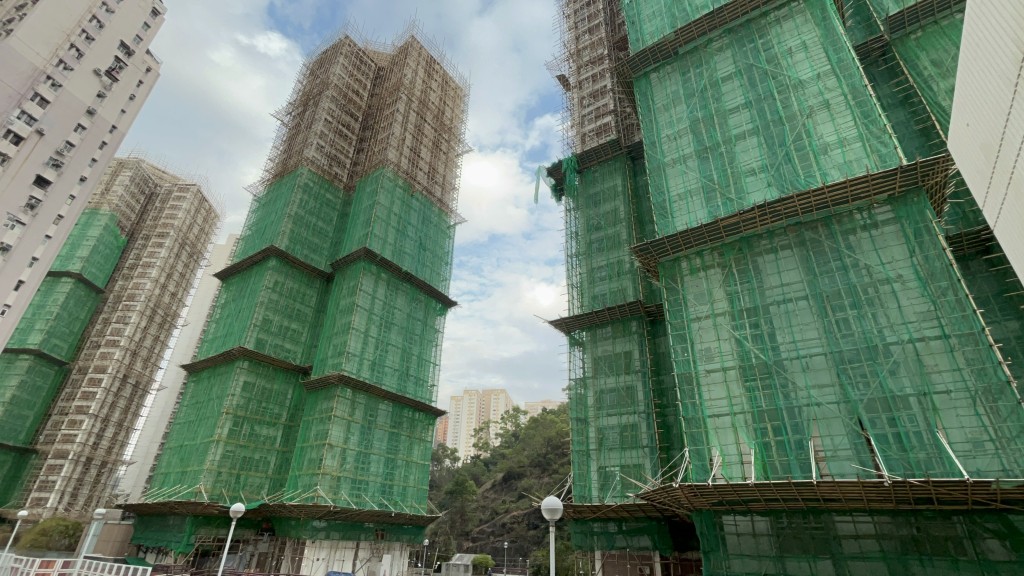
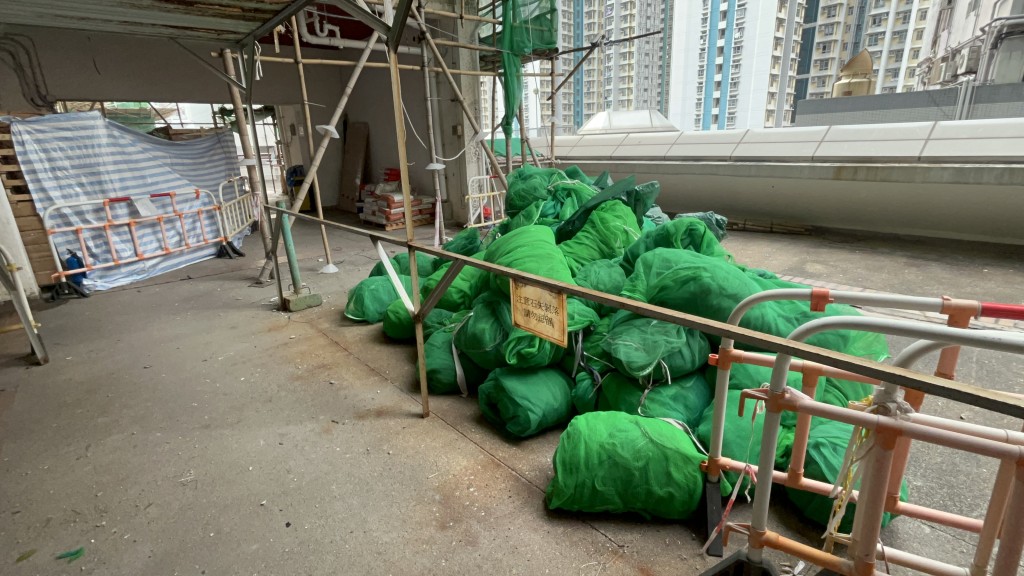
Construction workers across Hong Kong may face up to 10 days without work after the government ordered all scaffold netting on buildings undergoing major renovation to be removed within three days—a sweeping response to the deadly five-alarm fire at Wang Fuk Court in Tai Po that has now claimed 159 lives.
While the industry believes there is enough manpower to complete the dismantling before the Saturday deadline, trade groups warn that the subsequent inspection and retesting process will temporarily halt work for exterior renovation trades, affecting incomes across the sector.
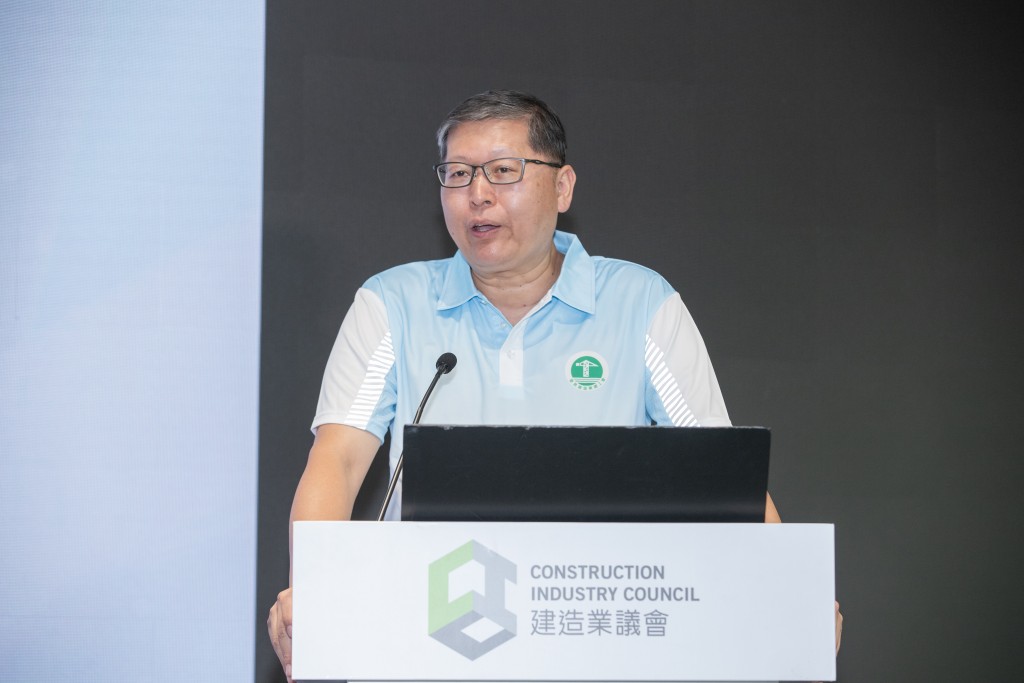
Chau Sze-kit, chairman of the Hong Kong Construction Industry Employees General Union, said on a radio program Thursday that the new directive will significantly increase demand for licensed scaffolders, but other trades will be left idle during the inspection period.
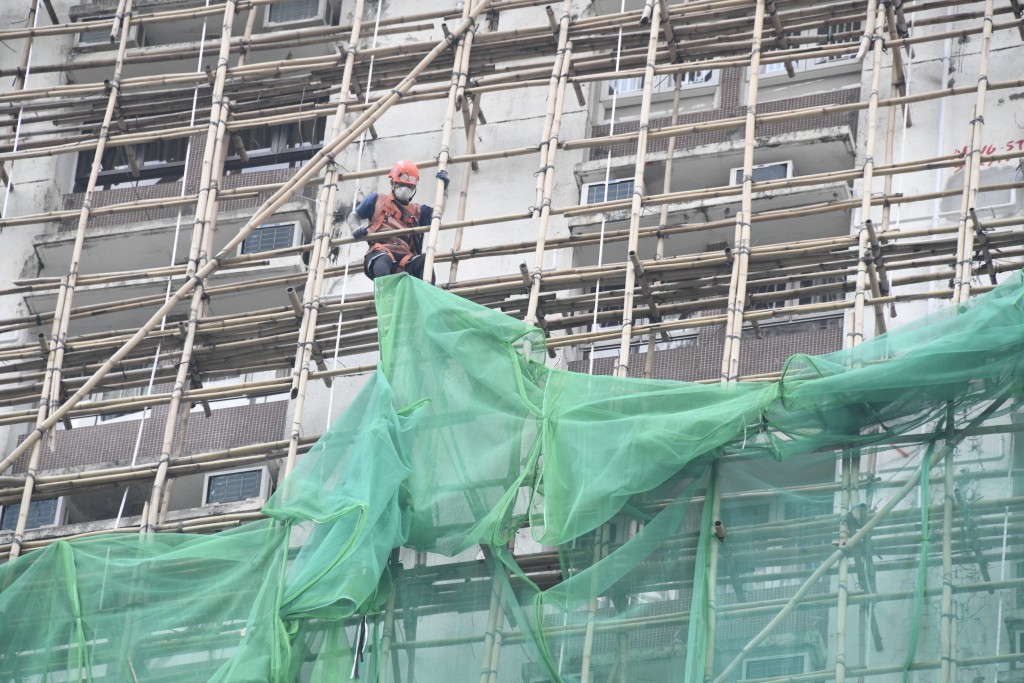
He explained that a 20-story building could be stripped of its netting in a single day using 20 workers, and with roughly 3,000 qualified scaffolders citywide, meeting the deadline is feasible.
However, all netting must then be sampled on-site and tested by designated inspectors before it can be reinstalled.
Chau estimated that this process could take about 10 days, during which workers who handle chipping, stone cladding, sanding, plastering, and other exterior tasks “may face a temporary work stoppage and income loss.”
Scaffolders, meanwhile, may see rising wages due to a sudden surge in demand.
Chau described the government’s move as “decisive and courageous,” saying the union supports the measure. But he cautioned that “the work is urgent, but safety cannot be rushed,” urging workers to clear debris before dismantling netting and to adopt proper protective measures.
Chau said scaffold netting was historically treated as a temporary material and not given much attention. The Wang Fuk Court fire—and subsequent revelations of potential compliance issues—has forced the industry and public to reassess its importance.
He said on-site sampling is necessary to restore confidence, but the government should issue clear guidelines on sampling methods and ratios so companies can plan manpower and scheduling properly.
Chau added that while most large construction sites have strict supervision, exterior renovation projects on older buildings may be less tightly monitored. He said the recent wave of netting removals suggests either caution from management firms or their own concerns about compliance.
Lawrence Ng San-wa, permanent honorary president of the Hong Kong Construction Sub-contractors Association, agreed that the government’s approach is appropriate to allay public concerns and believes Hong Kong has enough scaffolders to cope with the sudden demand.
Ng said costs should not overshadow public reassurance. He noted that previous reports estimated 2,300 rolls of netting were used across eight buildings in Wang Fuk Court, and upgrading to flame-retardant material would cost slightly over HK$200,000, or only tens of thousands per building.
With dismantling and reinstallation costs included, he said all parties “should bear the necessary expenses” in light of the tragedy.
If netting is found to be non-compliant, he said the contractor should be held responsible, though liability will depend on contractual terms.
Ng also recommended improving the certification system by requiring manufacturers to provide batch-level documentation for netting materials, reducing the testing burden and speeding up verification.