Read More




Night Recap - April 1, 2026
5 hours ago








Six senior counsel appointed
31-03-2026 13:54 HKT

Approval granted for Kai Tak’s six-stop Smart & Green Mass Transit System
31-03-2026 16:27 HKT
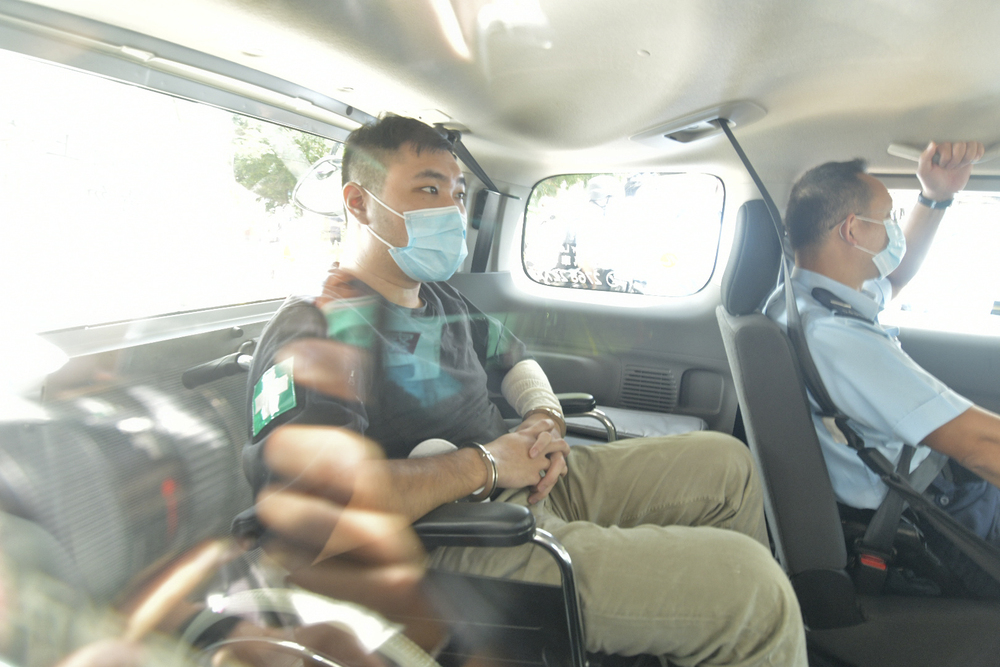
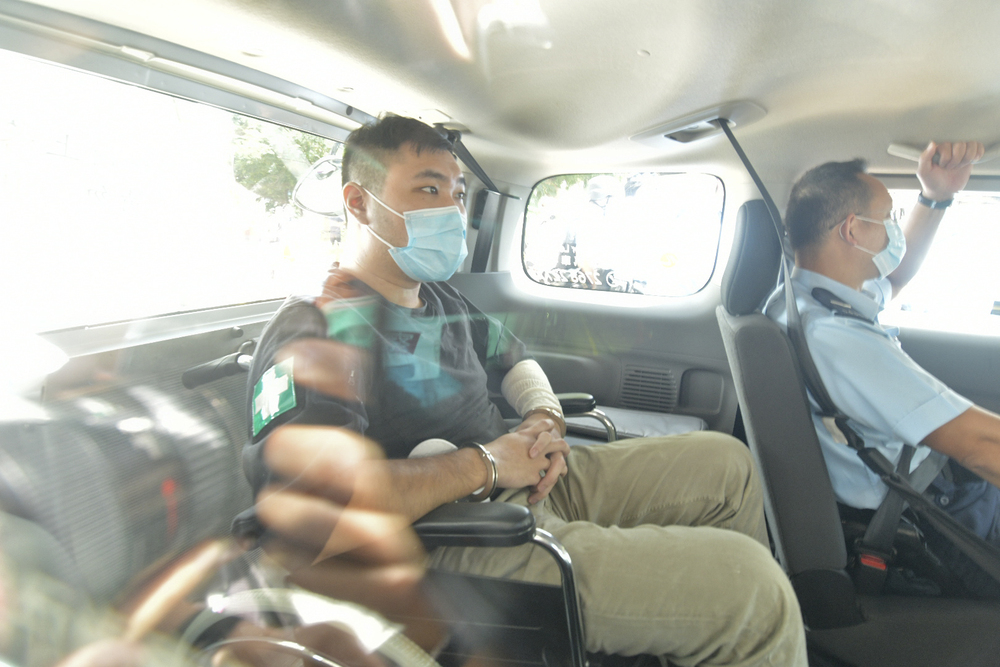
The first national security trial - involving a motorcyclist who allegedly drove into a group of police officers - start today without a jury.
Tong Ying-kit, 24, yesterday lost his appeal against the Secretary for Justice Teresa Cheng Yeuk-wah's decision to deny him a trial by jury, citing risk to jurors' safety.
Tong earlier pleaded not guilty to inciting secession and engaging in terrorist activities after allegedly riding a motorcycle into a group of officers while flying a flag with the protest slogan "Liberate Hong Kong, revolution of the times" on July 1 last year.
He is facing an alternative charge of causing grievous bodily harm by dangerous driving.
Tong has been remanded in jail custody pending a 15-day trial at the High Court. The case will be heard by national security judges Anthea Pang Po-kam, Esther Toh Lye-ping and Wilson Chan Ka-shun.
He will be represented by senior counsel Clive Grossman and barrister Lawrence Lau Wai-chung.
Tong had challenged the lack of a jury for his case and filed a judicial review to the High Court, but it was dismissed by judge Alex Lee Wan-tang last month.
Lee said Cheng had the "prosecutorial independence" to decide which cases should be tried by three national security judges instead of a jury without giving any reason.
Tong's appeal for a jury trial was rejected again yesterday as chief judge of the High Court Jeremy Poon Shiu-chor upheld the lower court's decision, saying issuing a nonjury trial certificate under the national security law is not open to a conventional judicial review challenge.
Poon also said neither the Basic Law nor the Bill of Rights specifies trial by jury as "an indispensable element of a fair trial."
Poon added: "Granted jury trial is the conventional mode of trial in the Court of First Instance, it should not be assumed that it is the only means of achieving fairness in the criminal process.
"When the personal safety of jurors or their family members is under threat, it will seriously undermine the integrity of the criminal process. This is where the paramount importance of a fair trial comes into play."
Poon said the security law directs local courts that cases concerning offenses endangering national security should be handled in a fair and timely manner "so as to effectively prevent, suppress and impose punishment for such offense."
He added: "This direction for timely disposal of the trial strongly militates against [Tong's] contention that the decision by the secretary for justice to issue a certificate is amenable to conventional judicial review challenge.
"It is because such a challenge will definitely breed elaborate and protracted satellite proceedings, thereby frustrating the directive of [the national security law] by delaying if not derailing the criminal process."
wallis.wang@singtaonewscorp.com